Author: Alexander Christian Greco

  • Exercises That Improve Brain Function

    Exercises That Improve Brain Function

    How Movement Shapes Memory, Focus, and Long-Term Cognitive Health

    Written by Alexander Chriatian Greco

    With the Help of ChatGPT

    https://domf5oio6qrcr.cloudfront.net/medialibrary/16768/p8-brainweights-n0725-gi2160248320.jpg

    Introduction

    Physical exercise is often associated with muscle strength, cardiovascular health, and weight management—but its effects on the brain are just as profound. Decades of neuroscience and physiology research now show that specific forms of movement directly influence neuroplasticity, neurotransmitter balance, cerebral blood flow, and stress regulation. These biological changes translate into real-world improvements in memory, learning speed, emotional stability, creativity, and long-term protection against cognitive decline.

    Importantly, not all exercises affect the brain in the same way. Aerobic endurance training, resistance training, balance work, and coordination-heavy movements each stimulate different neural systems. When chosen intentionally, exercise becomes one of the most powerful non-pharmaceutical tools available for enhancing brain function at any age.

    This article breaks down specific exercises—not just general “workouts”—and explains how and why each supports brain health. Whether your goal is sharper focus, better memory retention, emotional resilience, or long-term neuroprotection, the exercises below provide a practical, evidence-based framework.


    https://images.squarespace-cdn.com/content/v1/53a9449de4b045ee8a21b759/1d5c6a54-6df8-408d-aa6e-6f36522b7aee/IMG_0735.jpg

    1. Aerobic Exercise (Walking, Running, Cycling)

    Why Aerobic Exercise Supports Brain Function

    Aerobic exercise is one of the most extensively studied interventions for brain health. Sustained rhythmic movement increases heart rate and oxygen delivery, which directly enhances cerebral blood flow. This increased circulation supplies the brain with glucose, oxygen, and growth factors essential for neuron survival and synaptic plasticity.

    One of the most important molecules stimulated by aerobic exercise is BDNF (Brain-Derived Neurotrophic Factor). BDNF promotes:

    • Growth of new neurons (neurogenesis), particularly in the hippocampus
    • Strengthening of existing neural connections
    • Improved learning speed and memory retention

    Best Aerobic Exercises for the Brain

    • Brisk walking (30–45 minutes)
    • Jogging or running
    • Cycling
    • Swimming
    • Rowing

    Cognitive Benefits

    • Improved episodic memory
    • Faster information processing
    • Enhanced attention span
    • Reduced risk of age-related cognitive decline

    How to Optimize for Brain Health

    • Aim for moderate intensity (you should be able to talk but not sing)
    • 3–5 sessions per week
    • Maintain consistency over intensity

    Walking alone—especially outdoors—has been shown to significantly improve mood and executive function, making it one of the most accessible brain-boosting exercises available.


    2. Resistance Training (Strength Exercises)

    Why Strength Training Affects Cognition

    Resistance training does more than build muscle—it triggers hormonal and neurological responses that benefit the brain. Lifting weights stimulates the release of insulin-like growth factor-1 (IGF-1), which crosses the blood-brain barrier and supports neuron survival and plasticity.

    Additionally, strength training improves executive function, the set of cognitive skills responsible for planning, decision-making, impulse control, and task switching.

    Best Strength Exercises for Brain Function

    • Squats and deadlifts
    • Push-ups and bench press
    • Pull-ups and rows
    • Overhead presses
    https://images.ctfassets.net/hjcv6wdwxsdz/59s5b5rz6qpIKRaxUBXnQ/e570fdcc4a79422cb9e7d6f8c386bbbd/woman-doing-single-leg-balance-exercises.png

    Compound movements are especially effective because they require coordination, balance, and motor planning, engaging multiple brain regions simultaneously.

    Cognitive Benefits

    • Improved working memory
    • Enhanced decision-making
    • Better attention control
    • Reduced symptoms of anxiety and depression

    Programming Recommendations

    • 2–3 sessions per week
    • Moderate to heavy loads
    • Focus on proper technique and progression

    Strength training appears to be particularly protective against cognitive decline in middle age and later life.


    3. Coordination-Heavy and Skill-Based Exercises

    Why Coordination Exercises Are Unique

    Exercises that require complex movement patterns, timing, and spatial awareness activate a wide network of brain regions simultaneously. These include the motor cortex, cerebellum, basal ganglia, and prefrontal cortex.

    Learning new movement patterns forces the brain to build and refine neural pathways, making these exercises especially powerful for neuroplasticity.

    HIIT is best used 1–3 times per week, paired with adequate recovery.

    Examples of Coordination-Based Exercises

    • Dancing (especially choreography-based styles)
    • Martial arts
    • Tennis, basketball, or soccer
    • Juggling
    • Agility ladder drills

    Cognitive Benefits

    • Improved reaction time
    • Enhanced spatial awareness
    • Better learning flexibility
    • Stronger motor memory

    These activities are particularly effective at keeping the brain adaptable and resilient over time.


    4. Balance and Proprioception Training

    Why Balance Exercises Matter for the Brain

    Balance exercises stimulate the vestibular system, which is tightly linked to spatial orientation, attention, and sensory integration. Maintaining balance requires constant communication between the brain, inner ear, eyes, and muscles.

    As we age, vestibular decline is associated with cognitive impairment—making balance training an essential, often overlooked brain exercise.

    Effective Balance Exercises

    • Single-leg stands
    • Heel-to-toe walking
    • Bosu or wobble board exercises
    • Yoga balance poses
    https://www.3dmotiondance.com/blog/admin/uploads/2022/dance_woman-is-doing-balance-exercise-having-sports-front-camera-home-classes-quarantine.jpg

    Cognitive Benefits

    • Improved attention and focus
    • Enhanced sensory integration
    • Reduced fall risk (indirectly protecting brain health)

    If you’d like, I can:

    Even short balance sessions (5–10 minutes) can meaningfully activate brain regions involved in coordination and awareness.


    5. Yoga and Mindful Movement

    https://loftyfurniture.com/blog/wp-content/uploads/2025/07/10-Balance-Board-Exercises-to-Improve-Core-Strength-and-Stability-731x1024.jpg

    Why Yoga Supports Cognitive Health

    Yoga combines physical movement, breath control, and focused attention, making it a hybrid brain-body practice. Controlled breathing stimulates the parasympathetic nervous system, reducing chronic stress and cortisol—both of which negatively impact memory and emotional regulation.

    Yoga also improves interoception, the brain’s ability to sense internal bodily states, which is linked to emotional intelligence and self-regulation.

    Key Yoga Elements for Brain Function

    • Slow, controlled movements
    • Balance poses
    • Deep diaphragmatic breathing
    • Sustained attention

    Cognitive Benefits

    • Reduced anxiety and mental fatigue
    • Improved emotional regulation
    • Enhanced attention control
    • Better sleep quality (critical for memory consolidation)

    Yoga is especially valuable for individuals under high cognitive or emotional stress.


    6. High-Intensity Interval Training (HIIT)

    Why HIIT Affects the Brain Differently

    HIIT involves short bursts of intense activity followed by brief recovery periods. This pattern produces rapid increases in BDNF, adrenaline, and dopamine—neurochemicals associated with focus, motivation, and learning.

    HIIT also improves metabolic flexibility, which supports stable brain energy availability.

    Example HIIT Exercises

    • Sprint intervals
    • Cycling sprints
    • Burpees or kettlebell swings
    • Jump rope intervals

    Cognitive Benefits

    • Improved executive function
    • Increased mental energy
    • Enhanced mood and motivation

    Due to its intensity, HIIT should be performed 1–3 times per week and paired with adequate recovery.


    7. Breathing-Focused Exercise and Movement

    Why Breathing Is a Brain Exercise

    Breathing patterns directly influence brain activity via the vagus nerve. Slow, controlled breathing increases alpha brain waves, associated with calm focus and creativity.

    When combined with movement—such as walking, yoga, or tai chi—breathing becomes a powerful regulator of attention and emotional state.

    Effective Breathing Techniques

    • Nasal breathing during exercise
    • Slow exhale-focused breathing
    • Box breathing during recovery periods
    https://www.myamericannurse.com/wp-content/uploads/2017/08/mindful-breathing.gif

    Cognitive Benefits

    • Improved focus and emotional control
    • Reduced stress-related cognitive impairment
    • Enhanced mind-body awareness

    8. Combining Exercises for Maximum Brain Benefit

    The most effective brain-health routines combine multiple movement types:

    Example Weekly Brain-Focused Routine

    • 3 days aerobic exercise
    • 2 days strength training
    • 2 days coordination or balance work
    • Daily short breathing or mobility sessions

    This variety ensures stimulation of multiple neural systems and prevents adaptation plateaus.


    Conclusion

    Exercise is not merely physical—it is neurological. Each movement pattern sends specific signals to the brain, shaping cognition, emotional regulation, and long-term resilience. Aerobic exercise fuels neurogenesis, strength training enhances executive function, coordination drills sharpen adaptability, and mindful movement stabilizes emotional control.

  • How to Become Successful at Written Content Creation

    How to Become Successful at Written Content Creation

    Written by Alexander Christian Greco

    With the Help of ChatGPT

    A Deep, Evidence-Based Guide to Craft, Strategy, and Long-Term Sustainability


    Abstract

    Written content creation is a foundational skill across education, business, media, and knowledge industries. While digital platforms evolve rapidly, the core mechanics of effective writing—clarity, structure, audience alignment, and consistency—remain stable. This article examines how individuals can become successful at written content creation through deliberate skill development, systematic workflows, and strategic thinking. Drawing from research in communication, cognitive science, and professional writing practice, it provides a comprehensive framework for building durable writing competence and sustainable creative output.


    Disclosure

    This article was drafted with the assistance of a large language model (ChatGPT) and subsequently structured, edited, and refined to meet professional educational standards. The author retains responsibility for final content selection, organization, interpretation, and accuracy.


    1. Defining Success in Written Content Creation

    Success in written content creation is often misunderstood as visibility or virality. In reality, sustainable success is better defined as the consistent production of writing that delivers measurable value to a defined audience over time.

    Research in communication theory emphasizes that effectiveness is determined not by the sender’s intention, but by the receiver’s comprehension and response¹. From this perspective, successful writing fulfills one or more of the following functions:

    • Informs or educates accurately
    • Persuades ethically and logically
    • Documents knowledge reliably
    • Supports decision-making
    • Builds trust or authority

    Success therefore varies by context. An instructional manual, academic article, blog post, or newsletter may all be “successful” while serving different objectives².


    2. Clarity as the Primary Writing Skill

    Clarity is the most important predictor of reader comprehension and retention³. Studies in cognitive load theory show that readers disengage when sentences demand excessive working memory⁴.

    Clear writing is characterized by:

    • Direct sentence structure
    • Defined terminology
    • Logical sequencing
    • Explicit connections between ideas

    Professional writing guidelines consistently emphasize that clarity is achieved through revision, not initial drafting⁵. Skilled writers expect to rewrite sentences multiple times to reduce ambiguity and complexity without sacrificing precision.

    Clear writing is not simplistic—it is optimized.


    3. Structural Design and Information Architecture

    https://leadspanda.com/wp-content/uploads/2024/05/Screenshot-2024-05-12-at-2.02.22-PM.png

    Well-structured writing reflects deliberate information architecture. Research in instructional design demonstrates that readers learn more effectively when content follows predictable structural patterns⁶.

    Effective written content typically includes:

    • Clear section headings
    • Progressive idea development
    • Defined transitions
    • Summaries or synthesis points
    https://media.nngroup.com/media/editor/2023/08/30/the-practice-of-information-architecture-updated-watermark.jpg

    Before drafting, successful writers often construct:

    • Section-level outlines
    • Key argument lists
    • Evidence placeholders

    This approach separates thinking from wording, allowing cognitive resources to be allocated efficiently⁷.


    4. Audience, Intent, and Context Awareness

    Written content is inherently relational. Its effectiveness depends on alignment between the writer’s intent and the reader’s needs.

    Audience-aware writing accounts for:

    • Reader knowledge level
    • Motivation for reading
    • Cultural and professional context
    • Expected depth and rigor

    Communication research shows that writers who explicitly model their audience’s questions produce more persuasive and comprehensible texts⁸. This includes anticipating objections, confusion points, and follow-up questions.


    5. Writing as an Iterative Cognitive Process

    Contrary to popular belief, writing is not a linear activity. Cognitive studies show that expert writers continuously alternate between planning, drafting, evaluating, and revising⁹.

    A productive workflow separates:

    1. Idea generation
    2. Structural organization
    3. Language refinement
    4. Technical correction

    This staged approach reduces cognitive overload and improves output quality¹⁰.

    Editing is not a secondary task—it is where professionalism emerges.


    6. Consistency, Habits, and Output Sustainability

    https://www-cdn.usemotion.com/webflow-export/blog/content-calendar-template/66462b5339f0f84a61165e00_social_media_content_calendar_fks3.webp

    4

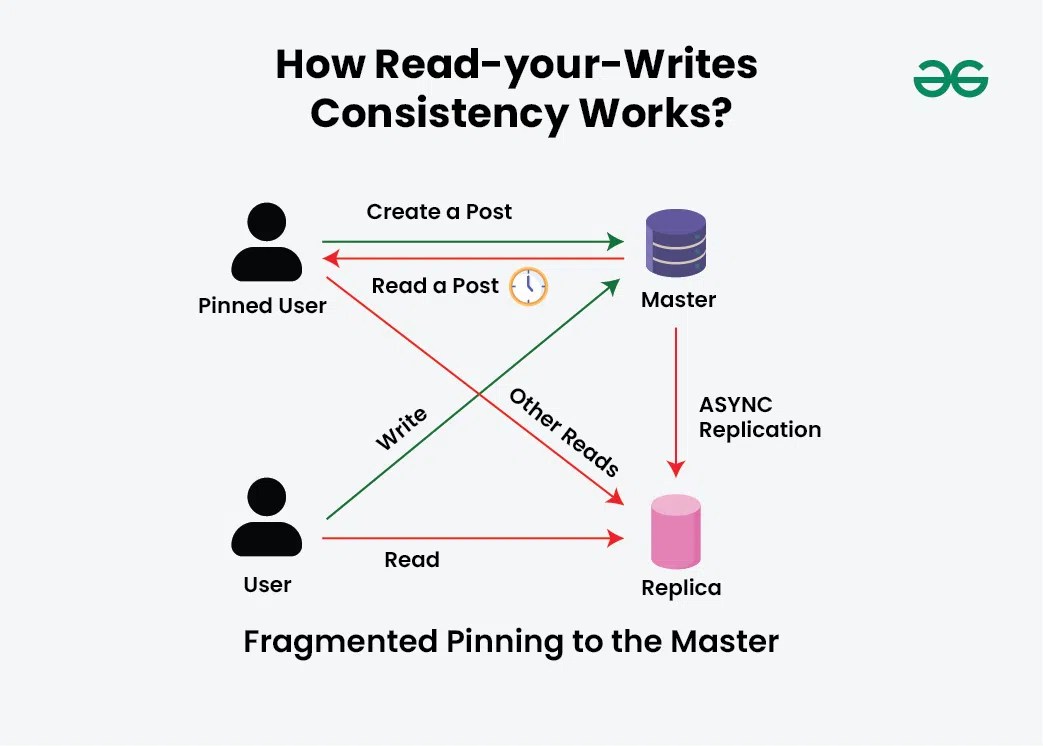
    https://media.geeksforgeeks.org/wp-content/uploads/20240605131921/How-Read-your-Writes-Consistency-Works.webp

    Successful writers use systems such as:

    • Scheduled writing sessions
    • Time-based goals
    • Content calendars
    • Reusable templates

    Long-term success in writing correlates more strongly with consistency than talent¹¹. Behavioral research indicates that habit formation, not motivation, sustains creative output¹².

    These systems externalize discipline, reducing reliance on willpower.


    7. Platform-Aware Writing Without Compromising Quality

    Different platforms impose constraints on format, length, and style. However, research in digital literacy emphasizes that core quality principles remain constant across media¹³.

    High-quality content:

    • Serves reader intent
    • Maintains accuracy
    • Prioritizes readability
    • Avoids manipulation

    Platform optimization should follow—not replace—content integrity.


    8. Developing a Credible and Authentic Writing Voice

    Voice is not an affectation; it is the natural outcome of:

    • Topic familiarity
    • Ethical positioning
    • Repeated practice

    Readers associate credibility with consistency of tone, terminology, and reasoning¹⁴. Authority emerges when writers demonstrate understanding rather than assert superiority.


    9. Feedback, Metrics, and Continuous Improvement

    https://docs.oracle.com/cloud/help/pt/content-cloud/CECSA/img/GUID-01E38812-C9F7-407C-8425-FCBC132D31FA-default.png

    Effective improvement relies on feedback loops. Qualitative feedback—questions, comments, corrections—is often more informative than numerical engagement metrics¹⁵.

    Metrics should align with purpose:

    • Educational writing → comprehension indicators
    • Business writing → conversion signals
    • Reference writing → citation and reuse

    Misaligned metrics distort priorities and degrade quality.

    https://www.aihr.com/wp-content/uploads/employee-engagement-metrics-social.png

    10. Monetization and Professional Applications of Writing

    Written content supports numerous professional pathways, including:

    • Education and training
    • Technical documentation
    • Research communication
    • Thought leadership
    • Knowledge-based products

    Economic research on creative labor suggests that writing careers are most durable when tied to expertise rather than attention alone¹⁶.


    11. Writing in the Age of AI Assistance

    AI tools increasingly assist with drafting, editing, and summarization. However, research consistently shows that human oversight is essential for:

    • Accuracy
    • Contextual judgment
    • Ethical responsibility
    • Original synthesis¹⁷

    Writers who succeed with AI treat it as infrastructure, not authorship.


    Conclusion

    Successful written content creation is a compound skill built through:

    • Clarity-driven communication
    • Structural discipline
    • Audience alignment
    • Iterative refinement
    • Sustainable systems

    In an information-saturated environment, writing that is accurate, structured, and thoughtful remains disproportionately valuable. Mastery is not achieved quickly, but it is reliably achieved through deliberate practice and long-term commitment.


    Further Reading & Learning Resources

    Writing Craft & Clarity

    1. Zinsser, W. On Writing Well
    2. Pinker, S. The Sense of Style
    3. Williams, J. & Bizup, J. Style: Lessons in Clarity and Grace

    Structure & Information Design

    1. Mayer, R. Multimedia Learning
    2. Sweller, J. Cognitive Load Theory
    3. Nielsen Norman Group – Writing for Web Usability

    Content Strategy & Professional Writing

    1. Clark, I. The Long Game
    2. Content Marketing Institute – Research Library
    3. Google Technical Writing Courses

    Writing Habits & Productivity

    1. Clear, J. Atomic Habits
    2. Newport, C. Deep Work
    3. Pressfield, S. The War of Art

    References

    1. Shannon & Weaver, The Mathematical Theory of Communication
    2. Flower & Hayes, Cognitive Process Theory of Writing
    3. Cutts, Oxford Guide to Plain English
    4. Sweller, Cognitive Load Theory
    5. Zinsser, On Writing Well
    6. Mayer, Multimedia Learning
    7. Kellogg, The Psychology of Writing
    8. Bereiter & Scardamalia, The Psychology of Written Composition
    9. Hayes, A New Framework for Understanding Cognition and Affect in Writing
    10. Flower, Problem-Solving Strategies for Writing
    11. Ericsson, Deliberate Practice
    12. Duhigg, The Power of Habit
    13. Nielsen, Writing for the Web
    14. Aristotle, Rhetoric
    15. Redish, Letting Go of the Words
    16. Florida, The Rise of the Creative Class
    17. Stanford HAI, Human-Centered AI and Writing
  • Budgeting, Profit Maximization, and Smart Capital Allocation for Small Businesses

    Budgeting, Profit Maximization, and Smart Capital Allocation for Small Businesses

    Introduction

    For many small business owners, budgeting and profit management are among the most misunderstood aspects of operating a company. Early-stage entrepreneurs often focus on acquiring customers, delivering products or services, and generating top-line revenue, while treating budgeting and profit allocation as secondary concerns. Research and practice consistently show, however, that a lack of financial discipline—rather than a lack of demand—is one of the primary causes of small business failure U.S. Small Business Administration.

    Budgeting is not simply about limiting expenses. At its core, it is a system for directing limited resources toward outcomes that compound over time, such as efficiency, resilience, and long-term profitability. Profit maximization is likewise not about short-term extraction of cash, but about building systems that reliably generate surplus value. Finally, allocating profit responsibly is not just “taking money out of the business,” but deciding how to reinvest, protect, and strategically grow the enterprise.

    This article explains how to:

    1. Budget effectively for a small business
    2. Maximize profit through structural and operational decisions
    3. Allocate revenue and profit in ways that support stability, growth, and longevity

    Together, these principles form a practical financial framework that applies across industries, whether the business is service-based, product-driven, or hybrid.


    1. Understanding Business Budgeting at a Small Scale

    What a Business Budget Really Is

    A business budget is a forward-looking financial plan that estimates:

    • Expected income
    • Fixed and variable expenses
    • Cash flow timing
    • Profit margins
    • Capital requirements

    Unlike personal budgets, business budgets must accommodate uncertainty, seasonality, reinvestment needs, and risk exposure. According to financial management literature, effective budgeting enables businesses to anticipate constraints before they become existential threats (Brigham & Ehrhardt, 2020).

    A well-constructed budget answers essential operational questions:

    • How much revenue is required to remain solvent?
    • Which expenses produce returns versus which merely consume cash?
    • How resilient is the business to revenue fluctuations?

    Core Categories in a Small Business Budget

    Most small business budgets can be divided into a small number of functional categories.

    Fixed Operating Costs

    These costs remain relatively stable regardless of output:

    • Rent or workspace
    • Insurance
    • Core software subscriptions
    • Licenses and permits
    • Baseline utilities

    Fixed costs define the break-even threshold, a concept widely discussed in managerial accounting literature (Horngren et al., 2018).


    Variable Costs

    Variable costs scale with production or sales:

    • Raw materials or inventory
    • Shipping and logistics
    • Payment processing fees
    • Per-project contractors

    These costs directly influence gross margin, making them a primary lever for profit improvement.


    Labor Costs

    Labor frequently represents the largest expenditure:

    • Owner compensation
    • Employees and benefits
    • Payroll taxes
    • Contractors

    Labor expenses must be aligned with productivity. Overstaffing erodes margins, while understaffing increases burnout and operational risk (Gelles, 2021).


    Marketing and Sales

    Marketing expenditures include:

    • Advertising
    • Content creation
    • Sales platforms and CRM tools

    Marketing is best treated as an investment channel rather than a discretionary cost, with performance evaluated through measurable return on investment (Kotler & Keller, 2019).


    Capital and Growth Expenses

    These are forward-looking investments:

    • Equipment
    • Training
    • Systems and automation
    • Product or service development

    Such spending determines the future productive capacity of the business.


    2. Building a Practical Budget (Step-by-Step)

    Step 1: Use Conservative Revenue Projections

    Financial planning best practices recommend budgeting with conservative revenue assumptions while maintaining flexibility on the expense side (Damodaran, 2012). This approach protects the business from optimism bias.


    Step 2: Identify Non-Negotiable Expenses

    Non-negotiable expenses include:

    • Rent
    • Insurance
    • Regulatory fees
    • Core operational software

    If baseline revenue cannot reliably cover these expenses, the underlying business model requires revision rather than cost trimming.


    Step 3: Separate Owner Pay From Business Profit

    Blurring personal income with business profit is a leading cause of financial opacity in small firms. Financial advisors and tax authorities such as Internal Revenue Service recommend:

    • Paying the owner a defined salary or draw
    • Treating remaining surplus as business profit

    This separation improves tax planning, performance analysis, and scalability.


    Step 4: Budget for Cash Buffers

    Cash flow volatility is a common failure point for small businesses (CFI, 2022). Budgets should explicitly include:

    • Emergency reserves (3–6 months of expenses)
    • Tax reserves
    • Accounts receivable delays

    3. Maximizing Profit: Beyond Increasing Sales

    Profit Is Structural, Not Accidental

    Profitability emerges from how revenue flows through the business, not simply how much revenue exists. Studies on operational efficiency consistently show that margin improvement often outperforms revenue growth in long-term sustainability (Porter, 2008).


    Optimize Pricing Before Scaling Volume

    Even small pricing adjustments can dramatically affect net income. Pricing research demonstrates that modest price increases frequently produce disproportionate profit gains when demand is relatively inelastic (Nagle & Müller, 2018).


    Improve Gross Margins

    Margin improvement strategies include:

    • Supplier renegotiation
    • Waste reduction
    • Standardized processes
    • Bundling high-margin offerings

    Control Cost Creep

    Recurring expenses such as unused subscriptions and redundant tools quietly erode profitability. Quarterly expense audits are widely recommended in financial operations best practices (McKinsey, 2020).


    Focus on High-Leverage Activities

    Not all revenue is equal. Concentrating on:

    • High-lifetime-value customers
    • Retention and upselling
    • Automation of low-value tasks

    often yields better results than expanding product lines prematurely.


    4. Revenue, Profit, and Cash Flow: Key Distinctions

    • Revenue: Total income generated
    • Profit: Revenue minus all expenses
    • Cash Flow: Timing of money movement

    A business can be profitable but still fail if cash inflows do not align with outflows, a phenomenon extensively documented in small business finance research (Brealey et al., 2020).


    5. Allocating Revenue Using a Structured Model

    A common framework divides incoming revenue into predefined allocations:

    • Operating expenses: 40–55%
    • Owner compensation: 15–25%
    • Taxes: 10–20%
    • Reinvestment: 5–15%
    • Profit reserves: 5–10%

    This approach introduces intentionality and predictability into financial decision-making.


    6. Strategic Use of Profit

    Build Reserves First

    Financial resilience precedes expansion.

    Reinvest With Purpose

    Reinvestment should:

    • Increase capacity
    • Reduce costs
    • Improve margins

    Owner Distributions

    Distributions should be:

    • Planned
    • Periodic
    • Separate from operating cash

    Debt Reduction

    Reducing high-interest debt yields risk-free returns.


    7. Budgeting for Growth Without Overextension

    Growth introduces complexity and risk. Financial planning literature emphasizes staged, measurable expansion over aggressive scaling (Blank, 2013).


    8. Common Budgeting Mistakes

    • Confusing revenue with success
    • Ignoring taxes until year-end
    • Over-hiring prematurely
    • Underpricing due to fear
    • Treating profit as leftover cash

    9. Continuous Financial Review

    Budgets should be reviewed:

    • Monthly (cash flow)
    • Quarterly (expenses and margins)
    • Annually (strategy)

    Financial awareness compounds over time.


    Conclusion

    Budgeting, profit maximization, and capital allocation are not advanced techniques reserved for large corporations. They are core survival skills for small businesses. Organizations that manage money intentionally are more resilient, more scalable, and more capable of weathering uncertainty.

    A disciplined budget provides clarity rather than restriction. Profit, when treated as a strategic resource, becomes a tool for stability and growth. Thoughtful allocation ensures that success today strengthens—not undermines—the future.


    References

    • Blank, S. (2013). The startup owner’s manual. K&S Ranch.
    • Brealey, R., Myers, S., & Allen, F. (2020). Principles of corporate finance. McGraw-Hill.
    • Brigham, E., & Ehrhardt, M. (2020). Financial management: Theory & practice. Cengage.
    • Damodaran, A. (2012). Investment valuation. Wiley.
    • Gelles, D. (2021). The man who broke capitalism. Simon & Schuster.
    • Horngren, C., Datar, S., & Rajan, M. (2018). Cost accounting. Pearson.
    • Kotler, P., & Keller, K. (2019). Marketing management. Pearson.
    • McKinsey & Company. (2020). Financial discipline in small and mid-sized firms.
    • Nagle, T., & Müller, G. (2018). The strategy and tactics of pricing. Routledge.
    • Porter, M. (2008). Competitive strategy. Free Press.
    • U.S. Small Business Administration. (n.d.). Financial management resources.
    • Internal Revenue Service. (n.d.). Small business tax guide.
  • Computer Science & Software (Part II):

    Computer Science & Software (Part II):

    Written by Alexander Christian Greco

    With the Help of ChatGPT

    Abstraction, Architecture, and the Hidden Systems Behind Modern Software


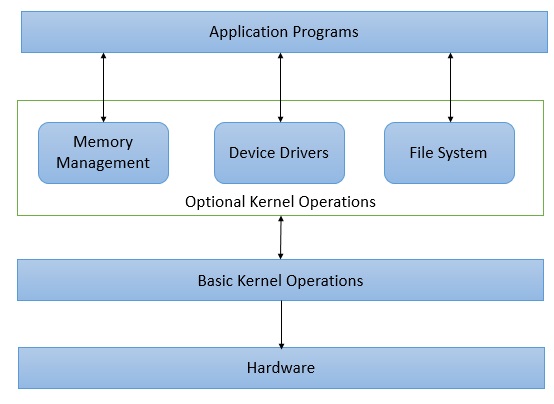
    https://www.tutorialspoint.com/operating_system/images/os_microkernel_structure.jpg

    Abstract

    The first article in this series introduced software as the structured execution of logic on physical machines. This follow-up deepens that foundation by exploring how software evolves from isolated programs into complex, long-lived systems. It examines abstraction, architecture, operating systems, compilers, runtime environments, concurrency, distributed systems, and correctness—concepts that determine whether software remains functional, scalable, and maintainable in real-world conditions. Together, these ideas form the conceptual bridge between introductory programming and professional-grade computer science practice [1][2].


    Disclosure

    This article was developed with the assistance of ChatGPT, an AI language model, as a drafting and research support tool. All structural decisions, topic selection, synthesis, and final editorial judgment were performed by the author. Readers are encouraged to consult primary academic and industry sources before applying these concepts in production environments.


    Table of Contents

    1. From Programs to Systems
    2. Abstraction as the Core Idea of Computer Science
    3. Software Architecture: Organizing Complexity
    4. Operating Systems as the Silent Partner
    5. Compilers, Interpreters, and Runtime Environments
    6. Data, State, and Time
    7. Concurrency and Parallelism
    8. Distributed Systems and the Network Illusion
    9. Correctness, Reliability, and Failure
    10. Software as a Human System
    11. Where This Leads Next

    1. From Programs to Systems

    Introductory computer science often concludes with writing standalone programs—scripts or applications that take input, perform computation, and return output. Real-world software development begins when those programs must interact with other programs, persist across time, scale across hardware, and tolerate failure [3].

    A single program executes logic.
    A system coordinates many programs, machines, and humans.

    Systems introduce challenges that do not appear in small examples:

    • Multiple components executing concurrently
    • Hardware limits and partial failures
    • Security boundaries and permissions
    • Long-term maintenance by changing teams

    Computer science, in practice, is the discipline of managing complexity under real constraints, not merely producing correct output [4].


    2. Abstraction as the Core Idea of Computer Science

    Abstraction is the central organizing principle of computer science. It allows humans to reason about complex systems by hiding unnecessary detail while preserving essential behavior [5].

    Examples of abstraction layers include:

    • Programming languages abstracting machine instructions
    • Functions abstracting repeated logic
    • APIs abstracting system behavior
    • Operating systems abstracting hardware
    • Cloud platforms abstracting physical infrastructure

    Each abstraction layer enables productivity while introducing dependency. When abstractions fail—or leak—developers must understand what exists beneath them [6].

    Effective software engineers are defined less by tool familiarity and more by their ability to reason across abstraction layers when systems behave unexpectedly.


    3. Software Architecture: Organizing Complexity

    Software architecture describes how a system’s components are structured and how they interact. It is concerned not with individual lines of code, but with system-level decisions that shape long-term behavior [7].

    Architectural considerations include:

    • Separation of responsibilities
    • Data flow and control flow
    • Failure isolation
    • Performance constraints
    • Security boundaries

    Common architectural patterns include:

    • Monolithic systems
    • Layered architectures
    • Microservices
    • Event-driven systems
    • Client–server models

    Architecture always involves trade-offs. Improving scalability may reduce simplicity; increasing flexibility may reduce performance. There is no universally “correct” architecture—only designs that align with specific goals and constraints [8].


    https://media.geeksforgeeks.org/wp-content/uploads/20250920114635603424/seven_state.webp

    4. Operating Systems as the Silent Partner

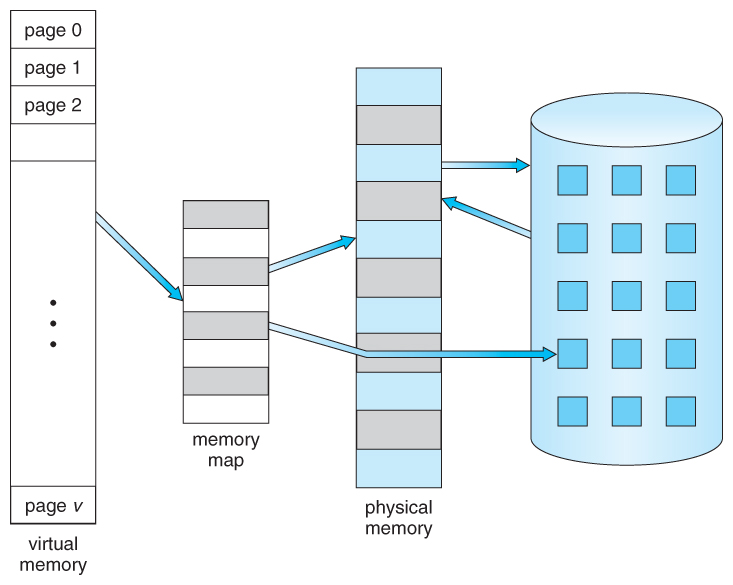
    Every software system runs atop an operating system, which mediates access to hardware and enforces execution rules.

    https://www.cs.uic.edu/~jbell/CourseNotes/OperatingSystems/images/Chapter9/9_01_VirtualMemoryLarger.jpg

    Operating systems manage:

    • CPU scheduling
    • Memory allocation
    • File systems
    • Device access
    • Security permissions

    When a program executes, the operating system determines when it runs, how much memory it receives, and what resources it can access [9].

    Understanding operating systems explains:

    • Performance variability
    • Program crashes
    • Resource exhaustion
    • Security vulnerabilities

    Even high-level software behavior is shaped by low-level operating system policies.


    5. Compilers, Interpreters, and Runtime Environments

    Most source code is transformed extensively before execution.

    https://media2.dev.to/dynamic/image/width%3D800%2Cheight%3D%2Cfit%3Dscale-down%2Cgravity%3Dauto%2Cformat%3Dauto/https%3A%2F%2Fdev-to-uploads.s3.amazonaws.com%2Fuploads%2Farticles%2F7dlps29vwzbuskebux0b.png

    Key execution models include:

    • Compiled systems, which translate code into machine instructions
    • Interpreted systems, which execute code incrementally
    • Hybrid systems, which compile to intermediate representations

    Runtime environments manage:

    • Memory allocation and garbage collection
    • Thread scheduling
    • Exception handling
    • Interaction with the operating system

    Program performance and behavior depend as much on the runtime as on the source code itself [10].


    6. Data, State, and Time

    Programs operate over time, not in isolation. State represents stored information that persists across execution steps.

    State introduces complexity:

    • It must be initialized correctly
    • It must be updated consistently
    • It must survive failures
    • It must remain synchronized

    Stateless systems are easier to reason about, but stateful systems enable persistence, interaction, and continuity [11].

    Much of software engineering focuses on controlling and constraining state, rather than implementing new algorithms.


    7. Concurrency and Parallelism

    Concurrency refers to multiple tasks in progress. Parallelism refers to multiple tasks executing simultaneously.

    Concurrency introduces risks such as:

    • Race conditions
    • Deadlocks
    • Inconsistent state
    • Non-deterministic bugs

    These problems are difficult to debug because timing changes behavior. Concurrency is essential for servers, user interfaces, real-time systems, and modern processors [12].


    8. Distributed Systems and the Network Illusion

    Most modern software systems are distributed across multiple machines connected by networks.

    Distributed systems must operate under the assumption that:

    • Networks fail
    • Messages are delayed or duplicated
    • Clocks disagree
    • Machines crash independently

    Designers must trade off consistency, availability, and fault tolerance. Distributed systems are powerful precisely because they accept imperfection as a design constraint [13].


    9. Correctness, Reliability, and Failure

    In practice, software cannot be perfectly correct. Instead, systems aim to be reliably imperfect.

    Strategies include:

    • Defensive programming
    • Automated testing
    • Monitoring and observability
    • Graceful degradation

    Failure is expected. Robust systems fail predictably and recover quickly rather than attempting to eliminate failure entirely [14].


    10. Software as a Human System

    Software is written by humans, for humans, over long periods.

    Human-centered concerns include:

    • Code readability
    • Documentation
    • Team collaboration
    • Knowledge transfer

    Most software costs are incurred after initial development, during maintenance and evolution [15].

    Readable, understandable systems outperform clever but opaque ones.


    11. Where This Leads Next

    This article prepares the ground for deeper study in:

    • Algorithms and complexity
    • Programming language design
    • Databases and storage systems
    • Computer security
    • Machine learning systems
    • Large-scale infrastructure

    Computer science is ultimately the study of how systems survive reality.


    Conclusion

    As software systems grow, abstraction becomes essential—but dangerous. Architecture, operating systems, concurrency, and distributed behavior shape software far more than individual code fragments. Understanding these invisible layers marks the transition from learning to code to learning to engineer systems.


    References

    1. Brooks, F. P. (1995). The Mythical Man-Month. Addison-Wesley.
    2. Abelson, H., & Sussman, G. J. (1996). Structure and Interpretation of Computer Programs. MIT Press.
    3. Sommerville, I. (2016). Software Engineering. Pearson.
    4. Denning, P. J. (2007). Computing is a natural science. Communications of the ACM.
    5. Wing, J. M. (2006). Computational thinking. Communications of the ACM.
    6. Spolsky, J. (2002). The law of leaky abstractions.
    7. Bass, L., Clements, P., & Kazman, R. (2013). Software Architecture in Practice. Addison-Wesley.
    8. Richards, M., & Ford, N. (2020). Fundamentals of Software Architecture. O’Reilly.
    9. Tanenbaum, A. S., & Bos, H. (2014). Modern Operating Systems. Pearson.
    10. Aho, A. V., Lam, M. S., Sethi, R., & Ullman, J. D. (2006). Compilers: Principles, Techniques, and Tools. Pearson.
    11. Fowler, M. (2002). Patterns of Enterprise Application Architecture. Addison-Wesley.
    12. Herlihy, M., & Shavit, N. (2012). The Art of Multiprocessor Programming. Morgan Kaufmann.
    13. Kleppmann, M. (2017). Designing Data-Intensive Applications. O’Reilly.
    14. Avizienis, A., et al. (2004). Basic concepts and taxonomy of dependable systems. IEEE Transactions.
    15. Lehman, M. M. (1980). Programs, life cycles, and laws of software evolution. Proceedings of the IEEE.

    Further Reading & Learning Pathways

    Foundational

    • MIT OpenCourseWare – Structure and Interpretation of Computer Programs
    • Harvard CS50 – Systems & Software Modules

    Systems & Architecture

    • Google SRE Book
    • Netflix Tech Blog
    • AWS Architecture Center

    Concurrency & Distributed Systems

    • Distributed Systems – van Steen & Tanenbaum
    • Jepsen Consistency Analysis Blog

    Human Factors

    • Clean Code – Robert C. Martin
    • A Philosophy of Software Design – John Ousterhout
  • Budget Cooking: Challenge Round

    Budget Cooking: Challenge Round

    Written by Alexander Christian Greco

    With Help from ChatGPT


    A Minimalist Staple Cooking System Using Oatmeal, Pasta, Rice, Bread, Peanut Butter, Beans, and Eggs


    Introduction:

    In my quest to cook as much food for as little money as possible, I’ve cornered a handful of foods that provide a ton of good calories for incredible prices. There’s a few caveats to this diet:

    A) I’m not a dietician, take this with a grain of salt, and this might clash with certain dietary restrictions or requirements.

    B) This is very carb-heavy, relying on getting most of the calories from sources like legumes, bread and pasta, supplementing protein and healthy fats from peanut butter and eggs.

    C) Most additional nutrition, I’m supplementing from a multivitamin, and, if you don’t find ways to supplement for additional nutritional requirements, you will be lacking a few vitamins and minerals.

    Essentially, the diet is intended to keep you alive, well fed (more than well-fed, as there is a potential of accessing 4000+ calories a day for less than $5), with a ton of protein, and all you have to do is add a multivitamin tablet, or otherwise supplement your diet, to make sure you are getting a full range of nutrition.


    Baseline Assumptions (Applies to All Recipes)

    • Dry oats: $0.10 per ½ cup
    • Dry rice: $0.12 per ½ cup (uncooked)
    • Dry pasta: $0.20 per 2 oz (dry)
    • Eggs: $0.20 each
    • Beans: $0.30 per ½ cup cooked (canned or dry equivalent)
    • Peanut butter: $0.20 per tablespoon
    • Bread: $0.15 per slice
    • Oil, salt, water assumed negligible cost

    1. Peanut Butter Oatmeal (Foundational Energy Meal)

    https://www.skinnytaste.com/wp-content/uploads/2022/03/Peanut-Butter-Breakfast-Oatmeal-Bowl-8-500x750.jpg

    Single Serving

    Ingredients

    • Rolled oats: ½ cup (40 g)
    • Water: 1 cup
    • Peanut butter: 2 tbsp
    • Salt: pinch

    Method

    1. Bring water to a boil.
    2. Add oats and salt; reduce to low.
    3. Cook 5–7 minutes, stirring.
    4. Remove from heat, stir in peanut butter.

    Time: 8 minutes
    Serving size: 1 large bowl (~400 g cooked)

    Cost: ~$0.50
    Nutrition (approx):

    • Calories: ~500 kcal
    • Protein: ~18 g
    • Carbs: ~40 g
    • Fat: ~26 g

    Batch (4 Servings – Meal Prep)

    • Oats: 2 cups
    • Water: 4 cups
    • Peanut butter: 8 tbsp

    Cook as above in a large pot.

    Total cost: ~$2.00
    Per serving: same nutrition as above
    Keeps: 3–4 days refrigerated


    2. Savory Oatmeal with Beans and Eggs (Complete Protein Bowl)

    https://heartbeetkitchen.com/foodblog/wp-content/uploads/2022/01/miso-savory-oatmeal-with-egg-4-1000x1500.jpg

    Single Serving

    Ingredients

    • Rolled oats: ½ cup
    • Water: 1¼ cups
    • Beans (any): ½ cup cooked
    • Eggs: 1 large
    • Salt: ½ tsp
    • Oil: 1 tsp

    Method

    1. Cook oats with salt (6–8 min).
    2. Warm beans separately or stir into oats.
    3. Fry egg in oil (2–3 min).
    4. Serve egg over oats/beans.

    Time: 12 minutes
    Serving size: ~500 g bowl

    Cost: ~$0.85
    Nutrition:

    • Calories: ~550 kcal
    • Protein: ~26 g

    Batch (4 Servings)

    • Oats: 2 cups
    • Beans: 2 cups
    • Eggs: 4

    Cook oats in one pot, eggs separately.

    Total cost: ~$3.40
    Per serving: same nutrition


    3. Pasta with Eggs (Minimal Carbonara-Style)

    https://www.framedcooks.com/wp-content/uploads/2014/05/pasta-with-buttered-egg-sauce-in-pan.jpg
    https://www.framedcooks.com/wp-content/uploads/2013/08/DSC_3191a.jpg

    Single Serving

    Ingredients

    • Dry pasta: 2 oz (56 g)
    • Eggs: 2
    • Oil: 1 tbsp
    • Salt: ½ tsp

    Method

    1. Boil pasta in salted water (8–10 min).
    2. Beat eggs with salt.
    3. Drain pasta, return to pot off heat.
    4. Add oil, then eggs, stirring quickly.

    Time: 12 minutes
    Serving size: ~450 g

    Cost: ~$0.70
    Nutrition:

    • Calories: ~520 kcal
    • Protein: ~20 g

    Batch (4 Servings)

    • Pasta: 8 oz
    • Eggs: 8

    Use a large pot; divide immediately after mixing.

    Total cost: ~$2.80


    4. Pasta with Beans and Eggs (High-Protein Staple Meal)

    https://i0.wp.com/spainonafork.wpengine.com/wp-content/uploads/2020/10/image2-58-44.png?resize=531%2C800&ssl=1

    Single Serving

    Ingredients

    • Dry pasta: 2 oz
    • Beans: ½ cup
    • Eggs: 1
    • Oil: 1 tsp
    • Salt

    Method

    1. Cook pasta.
    2. Heat beans in pan.
    3. Add pasta to beans.
    4. Push aside, scramble egg, mix.

    Time: 15 minutes
    Serving size: ~550 g

    Cost: ~$0.90
    Nutrition:

    • Calories: ~620 kcal
    • Protein: ~28 g

    Batch (5 Servings)

    • Pasta: 10 oz
    • Beans: 2½ cups
    • Eggs: 5

    Cook in a large skillet or pot.

    Total cost: ~$4.50
    Per serving: same nutrition


    5. Rice, Beans, and Eggs (Global Survival Bowl)

    Single Serving

    Ingredients

    • Dry rice: ½ cup
    • Beans: ½ cup
    • Eggs: 2
    • Salt

    Method

    1. Cook rice (15–18 min).
    2. Warm beans.
    3. Fry or soft-boil eggs.
    4. Assemble bowl.

    Time: 20 minutes
    Serving size: ~600 g

    Cost: ~$0.75
    Nutrition:

    • Calories: ~580 kcal
    • Protein: ~26 g

    Batch (6 Servings)

    • Rice: 3 cups dry
    • Beans: 3 cups
    • Eggs: 12

    Total cost: ~$4.50
    Feeds: 2–3 days for one person


    6. Peanut Butter Noodles (Maximum Calories per Dollar)

    https://plantedinthekitchen.com/wp-content/uploads/2021/11/Peanut-Noodles.jpg

    Single Serving

    Ingredients

    • Dry pasta: 2 oz
    • Peanut butter: 2 tbsp
    • Pasta water: ¼ cup
    • Salt

    Method

    1. Cook pasta.
    2. Whisk peanut butter with hot pasta water.
    3. Toss pasta with sauce.

    Time: 10 minutes
    Serving size: ~500 g

    Cost: ~$0.85
    Nutrition:

    • Calories: ~650 kcal
    • Protein: ~20 g

    Batch (4 Servings)

    • Pasta: 8 oz
    • Peanut butter: 8 tbsp

    Total cost: ~$3.40


    7. Bean & Egg Toast (Fastest Hot Meal)

    https://food.fnr.sndimg.com/content/dam/images/food/fullset/2011/10/5/1/FNM_110111-WN-Dinners-001_s4x3.jpg.rend.hgtvcom.1280.1280.suffix/1382540811716.webp
    https://www.midwestliving.com/thmb/vmYD0rbbaEHvjQg78qj9qvCZn28%3D/1500x0/filters%3Ano_upscale%28%29%3Amax_bytes%28150000%29%3Astrip_icc%28%29/BM_0397-e1fcce2de3284870a178ca4870c6d92b.jpg

    Single Serving

    Ingredients

    • Bread: 2 slices
    • Beans: ½ cup
    • Eggs: 1

    Method

    1. Toast bread.
    2. Warm beans.
    3. Fry egg.
    4. Stack and serve.

    Time: 7 minutes
    Serving size: 2 open-faced toasts

    Cost: ~$0.70
    Nutrition:

    • Calories: ~500 kcal
    • Protein: ~22 g

    Daily Example (All Fully Specified)

    MealCostCaloriesProtein
    PB Oatmeal$0.5050018 g
    Rice + Beans + Eggs$0.7558026 g
    Pasta + Eggs$0.7052020 g
    Bean Toast$0.7050022 g
    Total$2.652,100 kcal86 g

    Final Takeaway: This Is a Reproducible System

    What you now have is not just recipes — it’s a repeatable cooking framework:

    • 7 ingredients
    • 20–25 possible combinations
    • $2–$4 per day
    • Scales cleanly from 1 to 6+ servings
    • Minimal waste, minimal tools

    In a pinch, for very little cost, you can provide a ton of calories for yourself, or for your family/large groups, and repeat the process. With additional supplementation of a multivitamin and inexpensive fruits, vegetables and so on, you can maintain a full spectrum of nutrition, for very little cost.

    Conclusion: From Recipes to a Food System

    This guide intentionally moves away from traditional recipe silos and toward a systems-based approach to cooking. Rather than asking, “What can I make with oats?” or “What can I cook with eggs?”, it reframes the question as:

    How do staple foods work together to reliably produce calories, protein, and satiety at the lowest possible cost?

    By combining oatmeal, pasta, rice, bread, peanut butter, beans, and eggs in deliberate ways, you gain several long-term advantages:

    • Nutritional completeness through grain–legume–egg combinations
    • Cost control, with most meals falling below $1 per serving
    • Scalability, from single meals to multi-day batch cooking
    • Skill transfer, where one technique applies across many dishes
    • Resilience, because these foods are shelf-stable and widely available

    Most importantly, this approach reduces decision fatigue. Once you understand the base ratios—grain + protein + fat—you no longer need constant new recipes. You can adapt portions, swap forms (rice ↔ pasta ↔ oats), and scale meals up or down without changing the underlying structure.

    This is not just budget cooking. It is foundational cooking literacy.

    Future expansions of this system could include:

    • High-protein or athletic adaptations
    • Vegan versions (removing eggs)
    • Emergency food planning
    • 7-day or 30-day rotation schedules
    • Micronutrient optimization

    The core framework remains the same.


    Further Reading & Learning Resources

    Nutrition & Food Science (Foundational)

    • United States Department of Agriculture – FoodData Central
      Detailed nutrition data for raw and cooked foods.
    • Harvard T.H. Chan School of Public Health – Healthy Eating Plate
      Clear explanations of balanced meals and macronutrient roles.
    • World Health Organization – Nutrition Topics
      Global perspectives on staple foods and dietary adequacy.

    Budget & Staple Cooking

    • Good and Cheap by Leanne Brown
      A practical, widely cited guide to cooking on very limited budgets.
    • Budget Bytes
      Cost-per-serving recipe breakdowns and meal prep examples.
    • America’s Test Kitchen – Cooking School
      Technique-focused explanations that improve results with simple ingredients.

    Food Systems & Resilience

    • FAO – Staple Crops & Food Security
      Why grains and legumes dominate global diets.
    • The Omnivore’s Dilemma by Michael Pollan
      Context on food systems and ingredient choices (not a recipe book).

    Practical Video Learning

    • YouTube channels focused on fundamentals rather than luxury cooking:
      • Budget meal prep channels
      • One-pot cooking tutorials
      • Minimal-ingredient cooking challenges

    References

    1. United States Department of Agriculture. FoodData Central.
    2. Harvard T.H. Chan School of Public Health. The Healthy Eating Plate.
    3. World Health Organization. Healthy Diet Fact Sheets.
    4. Brown, L. (2015). Good and Cheap: Eat Well on $4/Day.
    5. Food and Agriculture Organization of the United Nations. Staple Foods and Nutrition.
    6. McGee, H. (2004). On Food and Cooking: The Science and Lore of the Kitchen.
  • How to Be Successful Across the Core Forms of Content Creation

    How to Be Successful Across the Core Forms of Content Creation

    A Foundational Guide to Video, Written, Visual, Audio, and Interactive Media

    Written by Alexander Christian Greco

    With the Help of ChatGPT


    Introduction

    Content creation is no longer a single discipline—it is a portfolio of crafts. Video, writing, visuals, audio, and interactive formats each demand distinct skills, production standards, and distribution strategies. While creators often specialize, long-term success increasingly favors those who understand the fundamentals of every medium, even if they master only one.

    This article establishes a baseline framework for each major form of content creation. For every format, we will cover:

    1. The basic content standard (what “good” looks like)
    2. Skill development paths (how to become exceptional)
    3. Audience and business foundations (how creators grow and sustain success)
    4. Sub-formats within each medium

    Future articles will expand each section into advanced, tactical guides. This piece is the map, not the territory.


    https://www.avermedia.com/BR/files/thumb/NS_seo-356288dd71a334a503f37cf19b7a1808.jpg

    Table of Contents

    1. Introduction: Content Creation as a Portfolio of Crafts
    2. Video Content Creation
      2.1 Core Standards for Video
      2.2 Skill Development and Craft Mastery
      2.3 Audience Growth and Business Models
      2.4 Subsets of Video Content
    3. Written Content Creation
      3.1 Core Standards for Writing
      3.2 Skill Development and Editorial Excellence
      3.3 Audience Growth and Business Models
      3.4 Subsets of Written Content
    4. Visual Content Creation
      4.1 Core Standards for Visual Media
      4.2 Skill Development and Visual Literacy
      4.3 Audience Growth and Business Models
      4.4 Subsets of Visual Content
    5. Audio Content Creation
      5.1 Core Standards for Audio
      5.2 Skill Development and Sound Design
      5.3 Audience Growth and Business Models
      5.4 Subsets of Audio Content
    6. Interactive Content Creation
      6.1 Core Standards for Interactive Media
      6.2 Skill Development and Systems Thinking
      6.3 Audience Growth and Business Models
      6.4 Subsets of Interactive Content
    7. Conclusion: Choosing a Primary Medium Without Limiting Growth

    https://assets.videomaker.com/2014/05/d0dd6aec46b86ae1abe8cafe61b60cf5.jpg

    1. Video Content Creation

    1.1 The Basic Content Standard

    At its core, effective video content must satisfy three requirements:

    • Clarity: The viewer understands what the video is about within the first 5–10 seconds.
    • Visual stability and audio clarity: Poor lighting or bad sound immediately reduces trust.
    • Purposeful pacing: Every scene or cut must justify its presence.

    “Good” video does not require expensive equipment. It requires:

    • Consistent framing
    • Clean audio
    • Intentional editing
    • A clear narrative or informational goal

    1.2 Developing Exceptional Video Skills

    Exceptional video creators master three layers of craft:

    1. Story and Structure

    • Hooks, escalation, payoff
    • Visual storytelling (showing rather than explaining)
    • Emotional or intellectual momentum

    2. Technical Execution

    • Lighting fundamentals
    • Camera movement and composition
    • Audio capture and mixing
    • Editing rhythm

    3. Performance and Presence

    • On-camera confidence
    • Authentic delivery
    • Audience awareness

    Skill growth comes from iteration, not perfection. Recording frequently, reviewing footage critically, and refining weak points is far more valuable than chasing gear upgrades.

    1.3 Building an Audience and a Business with Video

    Video is the most discoverable medium but also the most competitive.

    Key strategies:

    • Choose a clear niche early (education, entertainment, commentary, tutorials)
    • Maintain consistent publishing cadence
    • Repurpose long-form video into short-form clips
    • Build off-platform assets (email lists, communities)

    Monetization pathways include:

    • Advertising revenue
    • Sponsorships
    • Products and services
    • Education and consulting

    1.4 Subsets of Video Content

    • Educational / Tutorials
    • Entertainment / Storytelling
    • Commentary / Opinion
    • Documentary / Long-form
    • Short-form vertical video
    • Live streaming

    Each subset has distinct pacing, editing, and audience expectations—future articles will treat these individually.


    https://augurian.com/wp-content/uploads/2023/04/cross-platform-marketing.png

    2. Written Content Creation

    2.1 The Basic Content Standard

    Written content succeeds when it is:

    • Clear: The reader never feels lost
    • Structured: Headings, flow, and logical progression
    • Purpose-driven: Informing, persuading, or guiding

    Strong writing respects the reader’s time. Even long-form writing must earn attention through clarity and relevance.

    2.2 Developing Exceptional Writing Skills

    Exceptional writers focus on:

    1. Thought Structure

    • Logical progression
    • Clear thesis and supporting arguments
    • Strong conclusions

    2. Language Control

    • Precision over complexity
    • Rhythm and readability
    • Tone consistency

    3. Editorial Discipline

    • Revision and tightening
    • Removing redundancy
    • Improving clarity with each pass

    Writing skill improves through editing more than drafting. The difference between average and exceptional writing often lies in revision quality.

    2.3 Building an Audience and a Business with Writing

    Written content builds long-term authority and compounds over time.

    Effective strategies:

    • Focus on search-friendly, evergreen topics
    • Publish consistently on owned platforms
    • Repurpose writing into scripts, newsletters, or threads

    Monetization options:

    • Paid newsletters
    • Books and digital products
    • Consulting and services
    • Affiliate content

    Writing often monetizes later than video, but it produces deeper trust and longevity.

    2.4 Subsets of Written Content

    • Articles and blogs
    • Newsletters
    • Technical documentation
    • Essays and opinion
    • Educational guides
    • Long-form research

    Each subset has its own standards for tone, sourcing, and structure.


    https://framerusercontent.com/images/mtYFWTYYRBovkRlTYSKRSqzAkos.png?height=875&width=1200

    3. Visual Content Creation

    3.1 The Basic Content Standard

    Visual content must communicate instantly.

    Minimum standards:

    • Strong composition
    • Clear focal point
    • Intentional color and contrast
    • Consistent style

    Visuals fail when they are cluttered, confusing, or inconsistent—even if technically impressive.

    3.2 Developing Exceptional Visual Skills

    Exceptional visual creators master:

    1. Visual Literacy

    • Composition rules
    • Color theory
    • Negative space
    • Hierarchy and balance

    2. Style Consistency

    • Recognizable visual identity
    • Reusable design systems
    • Cohesive aesthetics

    3. Conceptual Thinking

    • Symbolism
    • Visual metaphors
    • Emotional resonance

    Skill growth requires studying both art fundamentals and design systems, not just tools.

    3.3 Building an Audience and a Business with Visuals

    Visual content thrives on platform recognition and style consistency.

    Audience growth strategies:

    • Consistent visual themes
    • Platform-native formats
    • Shareable designs

    Monetization paths:

    • Commissions
    • Licensing
    • Products (prints, assets)
    • Brand partnerships

    Visual creators often succeed by becoming visually recognizable, not just technically skilled.

    3.4 Subsets of Visual Content

    • Illustration
    • Graphic design
    • Photography
    • 3D and motion design
    • Infographics
    • Concept art

    Each subset emphasizes different tools but shares the same visual principles.


    https://wave-editor.com/screenshot.png

    4. Audio Content Creation

    4.1 The Basic Content Standard

    Audio content must be:

    • Clear and comfortable to listen to
    • Well-paced
    • Free of distracting noise

    Listeners tolerate imperfect visuals; they rarely tolerate poor audio.

    4.2 Developing Exceptional Audio Skills

    Exceptional audio creators focus on:

    1. Voice Control

    • Clarity
    • Pacing
    • Emotional modulation

    2. Sound Design

    • Editing out distractions
    • Music and ambiance
    • Silence as a tool

    3. Narrative Flow

    • Structured conversation
    • Clear transitions
    • Listener engagement

    Audio excellence comes from listening critically to your own work, not just producing more episodes.

    4.3 Building an Audience and a Business with Audio

    Audio builds deep parasocial relationships.

    Growth strategies:

    • Consistent release schedules
    • Clear show positioning
    • Cross-promotion with other media

    Monetization options:

    • Sponsorships
    • Memberships
    • Premium content
    • Live events

    Audio success is slower but often more loyal and sustainable.

    4.4 Subsets of Audio Content

    • Podcasts
    • Audiobooks
    • Voice essays
    • Music-based content
    • Guided education

    Each has distinct production and pacing standards.


    5. Interactive Content Creation

    5.1 The Basic Content Standard

    Interactive content must:

    • Respond predictably to user input
    • Be intuitive and accessible
    • Provide feedback or progression

    Confusing interaction breaks trust instantly.

    5.2 Developing Exceptional Interactive Skills

    Exceptional interactive creators master:

    1. User Experience Thinking

    • Flow and navigation
    • Feedback loops
    • Accessibility

    2. Systems Design

    • Rules and logic
    • Progression and incentives
    • Scalability

    3. Content Integration

    • Story or education embedded in interaction
    • Meaningful choice

    This form requires both creative thinking and technical literacy.

    5.3 Building an Audience and a Business with Interactive Content

    Audience growth depends on utility or engagement depth.

    Common paths:

    • Games and simulations
    • Tools and calculators
    • Educational platforms
    • Community-driven experiences

    Monetization includes:

    • Subscriptions
    • Licensing
    • Services
    • SaaS or platform models

    Interactive content often has the highest effort barrier, but also the strongest defensibility.

    5.4 Subsets of Interactive Content

    • Games
    • Educational simulations
    • Web tools
    • Immersive storytelling
    • Community platforms

    Conclusion: Choosing a Path Without Limiting Yourself

    Every content format rewards clarity, consistency, and craft—but each expresses those values differently. Success does not require mastering everything at once. It requires:

    • Understanding the standards of your chosen medium
    • Developing deep skill in one primary form
    • Building awareness of adjacent formats for expansion

    This article serves as a foundation. Each section is designed to be expanded into advanced, specialized guides covering tools, workflows, monetization models, and scaling strategies.

    In the modern creator economy, craft creates trust, and trust creates sustainability.


    Reference List (Foundational & Academic)

    These sources establish baseline theory, standards, and research relevant across all content forms.

    1. Anderson, C. (2016). TED Talks: The Official TED Guide to Public Speaking. Houghton Mifflin Harcourt.
    2. Berger, J. (2013). Contagious: Why Things Catch On. Simon & Schuster.
    3. McLuhan, M. (1964). Understanding Media: The Extensions of Man. McGraw-Hill.
    4. Norman, D. A. (2013). The Design of Everyday Things. Basic Books.
    5. Pink, D. H. (2011). Drive: The Surprising Truth About What Motivates Us. Riverhead Books.
    6. Rosenbaum, S., et al. (2011). Curation Nation. McGraw-Hill.
    7. Shirky, C. (2008). Here Comes Everybody. Penguin Press.
    8. Tolentino, J. (2019). Trick Mirror: Reflections on Self-Delusion. Random House.
    9. Wolf, M. (2018). Reader, Come Home. Harper.
    10. Nielsen Norman Group. (Ongoing). Research articles on usability, UX, and digital content behavior.

    Further Reading & Learning (By Content Form)

    Video Content Creation

    Books & Articles

    • In the Blink of an Eye — Walter Murch
    • Save the Cat! — Blake Snyder
    • YouTube Creator Academy (YouTube)

    YouTube Channels

    • Every Frame a Painting
    • Film Riot
    • Think Media

    Podcasts

    • The Colin and Samir Show
    • Creator Support

    Journals / Research

    • Journal of Visual Communication
    • Media Psychology

    Written Content Creation

    Books & Articles

    • On Writing Well — William Zinsser
    • Bird by Bird — Anne Lamott
    • The Elements of Style — Strunk & White

    Newsletters & Platforms

    • Substack
    • Medium

    Podcasts

    • The Writer Files
    • Grammar Girl

    Journals

    • Written Communication
    • Journal of Technical Writing and Communication

    Visual Content Creation

    Books

    • Interaction of Color — Josef Albers
    • The Visual Display of Quantitative Information — Edward Tufte
    • Steal Like an Artist — Austin Kleon

    Online Learning

    • School of Motion
    • Domestika

    YouTube Channels

    • The Futur
    • Satori Graphics

    Journals

    • Design Studies
    • Leonardo (MIT Press)

    Audio Content Creation

    Books

    • Out on the Wire — Jessica Abel
    • Make Noise — Eric Nuzum

    Podcasts About Podcasting

    • The Audacity to Podcast
    • Pod Save the Creator

    Platforms

    • Spotify
    • Apple Podcasts

    Journals

    • Radio Journal
    • Journal of Radio & Audio Media

    Interactive Content Creation

    Books

    • Rules of Play — Salen & Zimmerman
    • A Theory of Fun for Game Design — Raph Koster

    Online Learning

    • Coursera
    • edX

    YouTube Channels

    • Game Maker’s Toolkit
    • Extra Credits

    Journals

    • Game Studies
    • Human–Computer Interaction

    Next in This Series (Planned)

    • Video Content Creation: Advanced Strategy & Monetization
    • Writing for Authority and Long-Term Growth
    • Building a Visual Identity That Scales
    • Audio Content and Audience Loyalty
    • Designing Interactive Media for Education and Engagement
  • Content Creation III: Traditional Jobs and Their Role in the Content Creation Economy

    Content Creation III: Traditional Jobs and Their Role in the Content Creation Economy

    How Established Professions Sustain, Scale, and Stabilize Digital Media Businesses

    Written by Alexander Christian Greco

    With the Help ChatGPT


    Table of Contents

    1. Introduction: Why Traditional Jobs Matter in Content Creation
    2. Business & Operations Roles
    3. Finance, Accounting & Economic Control
    4. Legal, Compliance & Intellectual Property
    5. Sales, Partnerships & Revenue Operations
    6. Manufacturing, Logistics & Physical Distribution
    7. Human Resources, Talent & Organizational Design
    8. Entry Pathways Across Traditional Content-Adjacent Roles
    9. Closing Perspective
    10. References

    1. Introduction: Why Traditional Jobs Matter in Content Creation

    Content creation is often portrayed as an individual or personality-driven endeavor. In reality, once content becomes monetized and consistent, it begins to resemble a small media company—with recurring revenue, intellectual property, contractors, platforms, deadlines, and legal exposure. Media-economics research consistently shows that creative industries stabilize only when supported by formal organizational labor such as finance, law, operations, and logistics [1][2].

    Traditional jobs do not disappear in the content economy; they reassert themselves as scale increases. This article examines how those roles function inside content-creation businesses and how professionals enter these markets without needing to become creators themselves.


    2. Business & Operations Roles

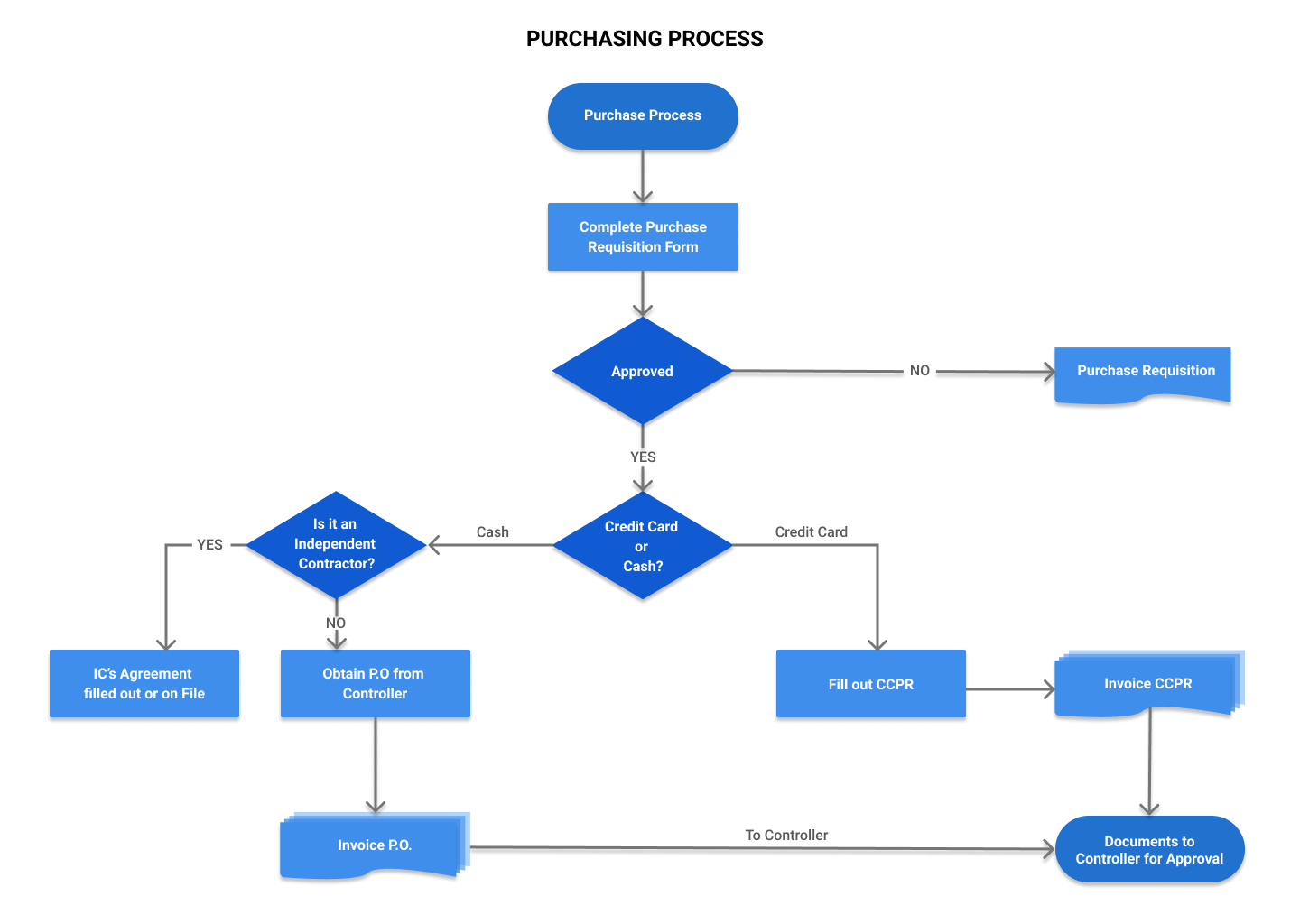
    https://www.cflowapps.com/wp-content/uploads/2021/03/Purchasing_process.png
    https://www.slideteam.net/media/catalog/product/cache/1280x720/7/_/7_weeks_project_management_gantt_chart_slide01.jpg
    https://www.onit.com/wp-content/uploads/2025/03/ProcessMap.jpg

    5

    What These Jobs Do in a Content Creation Setting

    Business and operations professionals convert creative output into repeatable, manageable systems.

    In a content-creation business, these roles typically:

    • Build publishing and production schedules
    • Coordinate creators, editors, designers, and contractors
    • Manage platform deadlines and deliverables
    • Oversee budgeting and operational planning
    • Translate creative goals into executable plans

    Key Roles

    • Business Manager – Oversees strategy, budgets, growth planning, and monetization alignment
    • Operations Manager – Designs workflows for content production, publishing, and delivery
    • Project Manager – Manages launches, campaigns, series, and cross-platform initiatives
    • Operations / Office Administrator – Handles scheduling, documentation, and coordination

    These roles reduce chaos and burnout by replacing ad-hoc decisions with structured processes [3].

    Job Market Context

    Business and financial occupations are projected to grow faster than the overall labor market, with hundreds of thousands of annual openings driven by organizational demand across sectors [4].

    How to Join This Industry / Market

    1. Enter through standard business roles (operations, admin, project coordination)
    2. Learn project management tools and workflow systems
    3. Gain experience in small businesses or agencies
    4. Transition into media, publishing, or creator-led organizations
    5. Reframe experience as media operations rather than general administration

    Further Reading

    • Küng, Strategic Management in the Media
    • Doyle, Understanding Media Economics
    • Harvard Business Review – operations & organizational systems

    3. Finance, Accounting & Economic Control

    https://www.smartsheet.com/sites/default/files/IC-Family-Budget-Planner-Template.jpg
    https://www.calxa.com/wp-content/uploads/2018/05/Report-CashflowForecastChart.png
    https://marketplace.canva.com/EAFbyVLb7PE/1/0/1131w/canva-elegant-and-clean-monthly-budget-planner-sheet-gzGFRzqEU84.jpg

    5

    What These Jobs Do in a Content Creation Setting

    Finance professionals impose economic discipline on an otherwise volatile industry.

    In content businesses, finance roles:

    • Track multi-source revenue (ads, sponsorships, products, services)
    • Manage irregular income and cash-flow timing
    • Handle taxes, contractor payments, and compliance
    • Forecast revenue and pricing strategy
    • Identify unsustainable growth patterns early

    Key Roles

    • Accountant / Bookkeeper – Tracks income, expenses, and tax obligations
    • Financial Analyst – Analyzes revenue trends and monetization performance
    • Payroll / Payments Specialist – Manages contractor and freelancer compensation

    Research shows that many creator-led businesses fail not from lack of audience, but from poor financial management [5].

    Job Market Context

    Accounting and auditing roles maintain steady growth with wages above the national median, reflecting persistent demand across digital and non-digital industries alike [6].

    How to Join This Industry / Market

    1. Obtain a degree in accounting or finance (typical, but not always required)
    2. Enter through junior accounting or analyst roles
    3. Develop expertise in digital revenue models
    4. Specialize later in media or creator-focused finance
    5. Certifications (CPA, CMA) significantly improve mobility

    Further Reading

    • Picard, The Economics and Financing of Media Companies
    • OECD – creative sector financing reports
    • Journal of Cultural Economics

    4. Legal, Compliance & Intellectual Property

    https://plus.unsplash.com/premium_photo-1726837265016-a17d81347e59?fm=jpg&ixid=M3wxMjA3fDB8MHxwaG90by1yZWxhdGVkfDE2fHx8ZW58MHx8fHx8&ixlib=rb-4.1.0&q=60&w=3000
    https://www.researchgate.net/publication/368852518/figure/fig1/AS%3A11431281166178356%401686208171515/Types-of-Intellectual-Property-Rights.png
    https://www.internationaltrade.law/uploads/3/8/8/4/38847635/s628878544442326341_p41_i1_w1354.png

    5

    What These Jobs Do in a Content Creation Setting

    Content creation is fundamentally an intellectual-property business.

    Legal professionals in this space:

    • Draft and manage sponsorship and service contracts
    • Ensure copyright and licensing compliance
    • Protect trademarks and original works
    • Manage platform terms and disclosure requirements
    • Reduce legal and financial risk as businesses scale

    Key Roles

    • Contract Manager – Drafts and tracks agreements
    • Paralegal / Legal Assistant – Supports documentation and compliance
    • IP / Licensing Specialist – Manages rights, usage, and permissions
    • Compliance Officer – Ensures regulatory and platform compliance

    Without legal structure, content businesses face revenue clawbacks, platform penalties, and litigation [7].

    Job Market Context

    Demand for IP, licensing, and compliance roles has grown alongside digital publishing and global distribution complexity [8].

    How to Join This Industry / Market

    1. Study legal studies, paralegal programs, or law
    2. Enter through law firms or corporate legal departments
    3. Specialize in IP, advertising, or digital media law
    4. Transition into in-house roles at media or platform companies

    Further Reading

    • Lessig, Free Culture
    • World Intellectual Property Organization (WIPO)
    • New Media & Society

    5. Sales, Partnerships & Revenue Operations

    https://blog.infodiagram.com/wp-content/uploads/2016/05/sales_funnel_labeled_chart_icon_ppt.png
    https://upload.wikimedia.org/wikipedia/commons/thumb/3/36/Data_and_Media_Partnerships_Workflow_v2.svg/600px-Data_and_Media_Partnerships_Workflow_v2.svg.png
    https://www.highspot.com/wp-content/uploads/2025/03/HS_Infographics_RevOps_Framework_Image_20250220_PS.png

    5

    What These Jobs Do in a Content Creation Setting

    Revenue does not scale automatically with audience size.

    Sales and partnerships professionals:

    • Convert attention into contracts and recurring income
    • Negotiate sponsorships and brand deals
    • Build long-term advertiser relationships
    • Reduce dependence on volatile platform advertising
    • Design repeatable revenue pipelines

    Key Roles

    • Sales Representative – Closes advertising and sponsorship deals
    • Account Manager – Maintains partner relationships
    • Partnerships Manager – Develops strategic collaborations
    • Revenue Operations Analyst – Optimizes monetization systems

    These roles professionalize monetization and stabilize income streams [9].

    Job Market Context

    Sales and revenue roles remain among the most consistently available professional positions, especially in digital and advertising-adjacent industries [10].

    How to Join This Industry / Market

    1. Enter through sales or account support roles
    2. Learn CRM tools and negotiation fundamentals
    3. Gain experience in digital advertising models
    4. Specialize in media-based revenue systems

    Further Reading

    • Davenport & Beck, The Attention Economy
    • Stratechery (platform economics)
    • Journal of Media Business Studies

    6. Manufacturing, Logistics & Physical Distribution

    https://storage.icograms.com/templates/preview/logistics-supply-chain-diagram.png
    https://fulfillrite.com/wp-content/uploads/How-Ecommerce-Order-Fulfillment-Works-in-11-Steps.png
    https://blogstudio.s3.amazonaws.com/the-dairy/3b002826f489e70c9d2d86ed1d3be4fd.png

    What These Jobs Do in a Content Creation Setting

    As creators diversify revenue, many sell physical products.

    Logistics professionals:

    • Manage inventory and fulfillment
    • Coordinate manufacturing timelines
    • Ensure quality control
    • Optimize shipping and cost structures

    Key Roles

    • Product / Packaging Designer
    • Supply Chain Manager
    • Fulfillment Manager
    • Quality Control Specialist

    These roles apply industrial discipline to creator-led retail ventures [11].

    Job Market Context

    Logistics and supply-chain roles have experienced accelerated demand due to e-commerce growth [12].

    How to Join This Industry / Market

    1. Study logistics, supply chain, or operations
    2. Enter through warehouse or operations roles
    3. Gain experience with e-commerce systems
    4. Transition into creator-led product businesses

    Further Reading

    • Levinson, The Box
    • MIT Center for Transportation & Logistics
    • Journal of Business Logistics

    7. Human Resources, Talent & Organizational Design

    https://d3n817fwly711g.cloudfront.net/uploads/2014/07/Line-Organizational-Structure-1.png
    https://i1.rgstatic.net/publication/385074170_Remote_work_and_human_resource_management_Challenges_and_solutions/links/6713d41768ac3041499fbf06/largepreview.png
    https://images.template.net/282228/Contractor-Onboarding-Checklist-edit-online-2.jpg

    What These Jobs Do in a Content Creation Setting

    Content businesses rely heavily on freelancers and remote teams.

    HR professionals:

    • Manage contractor compliance
    • Coordinate recruitment and onboarding
    • Reduce turnover and burnout
    • Ensure labor law compliance

    Key Roles

    • HR Generalist
    • Recruiter
    • Talent Coordinator
    • Contractor Manager

    These roles provide continuity in a highly fragmented labor model [13].

    Job Market Context

    HR management roles show steady growth and strong median wages, especially in knowledge-based industries [14].

    How to Join This Industry / Market

    1. Study HR, business, or psychology
    2. Enter through HR assistant or recruiter roles
    3. Learn remote workforce compliance
    4. Transition into media or agency organizations

    Further Reading

    • Kalleberg, Precarious Lives
    • SHRM publications
    • Journal of Organizational Behavior

    8. Entry Pathways Across Traditional Content-Adjacent Roles

    Across all traditional roles, the dominant entry pattern is indirect:

    1. Enter through standard job markets
    2. Build transferable professional skills
    3. Learn media-specific constraints (platforms, IP, volatility)
    4. Transition into content-driven organizations

    This pathway preserves cross-industry mobility, offering long-term career resilience [15].


    9. Closing Perspective

    Content creation does not eliminate traditional professions—it depends on them.

    Creators generate attention, but traditional roles:

    • Stabilize revenue
    • Protect intellectual property
    • Enable scale
    • Sustain long-term operations

    For many professionals, the most durable path into the content economy is through established expertise, not visibility.


    References

    1. Towse, R. (2010). A Textbook of Cultural Economics.
    2. Hesmondhalgh, D. (2019). The Cultural Industries.
    3. Küng, L. (2017). Strategic Management in the Media.
    4. U.S. Bureau of Labor Statistics. Business and Financial Occupations.
    5. Picard, R. (2011). The Economics and Financing of Media Companies.
    6. U.S. Bureau of Labor Statistics. Accountants and Auditors.
    7. Lessig, L. (2004). Free Culture.
    8. World Intellectual Property Organization. Copyright in the Digital Economy.
    9. Davenport, T. & Beck, J. (2001). The Attention Economy.
    10. Harvard Business Review. Revenue Operations Research.
    11. Levinson, M. (2006). The Box.
    12. MIT Center for Transportation & Logistics.
    13. Kalleberg, A. (2018). Precarious Lives.
    14. U.S. Bureau of Labor Statistics. Human Resources Managers.
    15. OECD. (2020). Career Mobility and Skill Transfer.
  • How to Start a Business: Legal, Financial, and Structural Foundations

    How to Start a Business: Legal, Financial, and Structural Foundations

    Written by Alexander Christian Greco

    With the Help of ChatGPT


    Starting a business is often framed as an act of creativity or ambition, but in practice it is first and foremost a legal and financial process. Before marketing strategies, branding decisions, or growth plans can succeed, a business must be properly structured, registered, and compliant with regulatory and tax requirements. Failure to establish these foundations can expose founders to personal liability, tax penalties, banking restrictions, or forced closure.

    This article focuses exclusively on the initial formation phase of a business in the United States, emphasizing the legal, financial, and administrative steps required to operate legitimately, protect the owner, and support long-term sustainability.


    Table of Contents

    1. What It Means to Start a Business
    2. Choosing a Business Structure
    3. Registering the Business
    4. Obtaining an EIN and Tax Identification
    5. Licenses, Permits, and Regulatory Compliance
    6. Business Banking and Financial Separation
    7. Accounting Systems and Recordkeeping
    8. Understanding Business Taxes
    9. Startup Costs and Financial Planning
    10. Insurance and Risk Management
    11. Contracts and Legal Documentation
    12. Conclusion
    13. Business Startup Checklist
    14. Further Reading
    15. References

    1. What It Means to Start a Business

    A business is officially considered “started” when it satisfies three conditions:

    1. Legal recognition by a governing authority
    2. Financial separation from its owner
    3. Tax accountability as an entity

    Selling goods or services informally—through cash payments, online platforms, or side work—does not constitute a legally formed business. Formalization matters because it determines liability exposure, tax treatment, eligibility for banking and credit, and compliance obligations (U.S. Small Business Administration, 2024).


    2. Choosing a Business Structure

    https://cdn.mycorporation.com/www/img/hero/business-entity-comparison-chart.jpg

    A business structure defines how ownership, liability, and taxation are handled.

    Sole Proprietorship

    The simplest structure, requiring no formal state registration beyond local licensing. The owner and business are legally identical, meaning all debts and legal claims attach directly to personal assets. Income is reported on the owner’s personal tax return.

    Limited Liability Company (LLC)

    An LLC creates legal separation between the owner and the business, protecting personal assets in most cases. LLCs offer flexible taxation options and relatively simple compliance, making them the most common structure for small businesses (IRS, 2023).

    Corporation (C-Corp or S-Corp)

    Corporations are independent legal entities with stricter compliance requirements. They are often chosen by businesses seeking external investment, issuing shares, or planning large-scale expansion (SEC, 2023).

    🔗 Structure guidance:
    https://www.sba.gov/business-guide/launch-your-business/choose-business-structure


    3. Registering the Business

    Registration establishes a business as a recognized legal entity.

    Core Steps

    • Choose and verify a unique business name
    • File formation documents with the state
    • Designate a registered agent
    • Receive confirmation of formation

    Registration requirements vary by state and structure.

    🔗 Registration resources:


    4. How to Apply for an EIN (Employer Identification Number)

    An Employer Identification Number (EIN) is the federal tax identification number for your business. It is issued by the Internal Revenue Service and functions much like a Social Security number, but for a legal entity rather than an individual.

    Why an EIN Exists

    The EIN allows the IRS and other institutions to:

    • Track business tax filings
    • Associate payroll and withholding obligations
    • Identify business bank accounts and financial activity
    • Separate business tax identity from personal identity

    Even if your business has no employees, an EIN is still recommended to avoid using your personal Social Security number for banking, contracts, or tax documents.


    Who Needs an EIN

    You must obtain an EIN if your business:

    • Is an LLC, partnership, or corporation
    • Plans to hire employees
    • Opens a business bank account
    • Files federal excise or employment taxes

    Sole proprietors without employees can use their SSN, but most still obtain an EIN for privacy and professionalism.


    How to Apply (Step-by-Step)

    Step 1: Confirm Eligibility
    You must have:

    • A valid U.S. taxpayer identification number (SSN, ITIN, or EIN)
    • A business legally formed or in the process of formation

    Step 2: Apply Online (Fastest Method)
    The IRS online EIN application is free and immediate.

    🔗 Apply here:
    https://www.irs.gov/businesses/small-businesses-self-employed/apply-for-an-employer-identification-number-ein-online

    Step 3: Complete IRS Form SS-4 (Digitally)
    You will be asked for:

    • Legal business name
    • Trade name (DBA), if applicable
    • Business address
    • Responsible party (owner or manager)
    • Entity type (LLC, corporation, etc.)
    • Reason for applying (new business, banking, hiring)

    Step 4: Receive EIN Confirmation
    If completed online, your EIN is issued immediately as a downloadable confirmation letter (CP 575).


    Common EIN Mistakes

    • Applying before forming the business (for LLCs/corps)
    • Applying multiple times unnecessarily
    • Paying third-party services (the IRS application is free)
    • Using incorrect entity classification

    5. Licenses and Permits: Why They Exist, How to Find Them, and How to Get Them

    Licenses and permits regulate who can legally operate, where, and under what conditions. They exist to protect public safety, ensure fair taxation, and enforce professional standards.


    Common Reasons Businesses Need Licenses or Permits

    Licenses are typically required when a business:

    • Sells taxable goods or services
    • Operates in a regulated industry (health, finance, construction)
    • Uses physical premises open to the public
    • Operates from a residential location
    • Handles sensitive data or hazardous materials

    Common License and Permit Types

    General Business License
    Required by many cities or counties to operate within their jurisdiction.

    Sales Tax Permit (Seller’s Permit)
    Required if you sell taxable goods or services.

    Professional or Occupational License
    Required for regulated professions (e.g., contractors, accountants, cosmetologists).

    Health and Safety Permits
    Required for food service, childcare, manufacturing, or healthcare businesses.

    Zoning and Home Occupation Permits
    Required if operating from a residence.


    How to Find Out What You Need

    The most reliable method is a layered search approach:

    1. Federal requirements (rare but industry-specific)
    2. State-level licenses
    3. County or city licenses

    🔗 License lookup tools:

    Many states also offer business “license wizards” through their Secretary of State or Department of Revenue websites.


    How to Apply for Licenses and Permits

    Most applications require:

    • EIN
    • Business registration documents
    • Owner identification
    • Application fee
    • Proof of insurance (sometimes)

    Approval timelines range from same-day to several weeks, depending on industry.


    6. How to Open a Business Bank Account

    https://images.squarespace-cdn.com/content/v1/63dbde357c9f0a7105a1dad5/d391fa58-a803-4c3d-8bbc-0547c062abd2/Steps%2Bto%2BBuild%2Ba%2BSolid%2BBookkeeping%2BSystem.png

    A business bank account is legally and financially essential. It establishes financial separation, which protects liability status and simplifies accounting.


    Why Business Banking Matters

    • Prevents commingling of funds
    • Strengthens liability protection
    • Enables accurate accounting
    • Required for loans, payroll, and payment processing

    What Banks Require

    Most banks require:

    • EIN
    • Articles of Organization or Incorporation
    • Operating Agreement (LLC)
    • Business license (if applicable)
    • Government-issued ID

    How to Apply

    Step 1: Choose a bank
    Consider fees, online tools, integration with accounting software, and customer support.

    Step 2: Gather documents
    Have digital copies ready.

    Step 3: Apply in person or online
    Approval is often same-day.

    Step 4: Deposit opening funds
    Many accounts require a minimum opening deposit.


    Common Mistakes

    • Using a personal account for business income
    • Opening accounts before EIN issuance
    • Not understanding transaction limits or fees

    7. Developing Accurate Accounting Systems

    https://www.slideteam.net/media/catalog/product/cache/1280x720/b/u/business_operations_accounting_flow_chart_slide01.jpg

    Accounting tracks what the business earns, spends, owns, and owes. Accurate accounting is legally required and critical for decision-making.


    Core Accounting Components

    • Income tracking
    • Expense categorization
    • Receipt retention
    • Bank reconciliation
    • Financial statements (P&L, balance sheet)

    Accounting Methods

    Cash Basis
    Records income when received and expenses when paid. Simpler and common for small businesses.

    Accrual Basis
    Records income when earned and expenses when incurred. Required for larger businesses.


    Accounting Software (Common Options)


    IRS Recordkeeping Guidance

    🔗 https://www.irs.gov/businesses/small-businesses-self-employed/recordkeeping


    8. Resources for Understanding Business Taxes

    Business taxes differ significantly from personal taxes.


    Common Business Taxes

    • Federal income tax
    • Self-employment tax
    • State income tax
    • Sales tax
    • Payroll taxes

    Key Educational Resources


    9. Startup Costs and Financial Planning

    Startup costs are expenses incurred before and immediately after launch.


    Common Startup Expenses

    • Registration and filing fees
    • Licenses and permits
    • Insurance premiums
    • Accounting and legal services
    • Software subscriptions
    • Equipment and inventory

    How to Calculate Startup Costs

    1. List all one-time costs
    2. List monthly recurring costs
    3. Multiply monthly costs by 6–12 months
    4. Add a contingency buffer (10–20%)

    This creates a minimum viable operating budget.


    10. Insurance Costs and Risk Management

    Insurance transfers risk away from the business.


    Common Insurance Types & Average Costs

    • General liability: $40–$80/month
    • Professional liability: $50–$150/month
    • Property insurance: $30–$100/month
    • Cyber liability: $50–$200/month
    • Workers’ compensation: varies by payroll

    Costs depend on industry, location, and risk profile.

    🔗 SBA Insurance Guide:
    https://www.sba.gov/business-guide/launch-your-business/get-business-insurance


    11. Creating Contracts and Legal Documents

    https://www.slideteam.net/wp/wp-content/uploads/2023/03/One-page-operating-agreement-report-presentation.png

    Contracts define rights, obligations, and expectations.


    Essential Documents

    • Operating Agreement (LLC)
    • Client or service agreements
    • Terms and conditions
    • Privacy policies
    • Vendor agreements

    How to Create Contracts

    Option 1: Attorney-Drafted
    Best for complex or high-risk businesses.

    Option 2: Reputable Legal Platforms

    Option 3: Hybrid Approach
    Template + attorney review.


    Common Contract Mistakes

    • Using generic templates without customization
    • Missing jurisdiction or governing law clauses
    • No termination or dispute resolution clauses

    Final Note

    These steps form the legal and financial backbone of any legitimate business. While they may seem administrative, they protect personal assets, enable compliance, and provide operational clarity. Businesses that skip or rush these foundations often face costly corrections later.


    Conclusion

    Starting a business is fundamentally an exercise in legal formation and financial discipline. Establishing the correct structure, registering properly, separating finances, maintaining accurate records, and complying with tax and licensing requirements creates a stable platform for all future activity.

    While these steps may feel administrative, they protect personal assets, enable lawful operation, and support long-term sustainability. A strong foundation does not guarantee success, but a weak one almost guarantees failure.


    Business Startup Checklist

    Legal Formation

    ☐ Choose a business structure
    ☐ Register the business with the state
    ☐ Obtain an EIN
    ☐ Draft an operating agreement

    Compliance

    ☐ Identify required licenses and permits
    ☐ Register for sales tax (if applicable)
    ☐ Verify local zoning requirements

    Financial Setup

    ☐ Open business bank accounts
    ☐ Set up accounting system
    ☐ Separate personal and business finances
    ☐ Create a startup budget

    Risk Management

    ☐ Obtain appropriate insurance
    ☐ Draft contracts and policies
    ☐ Establish recordkeeping procedures


    Further Reading


    References

  • Space Travel III: The Future of Space Travel and Human Expansion Beyond Earth

    Space Travel III: The Future of Space Travel and Human Expansion Beyond Earth

    Written by Alexander Christian Greco

    With the Help of ChatGPT

    https://cdn.mos.cms.futurecdn.net/AQh73c64EohNEyuNhcqsQf.jpg

    Abstract

    The future of space travel represents one of the most profound transitions in human history: the shift from a single-planet civilization to a distributed, multi-planetary species. Advances in propulsion, robotics, artificial intelligence, materials science, and life-support systems are converging to make long-duration habitation beyond Earth increasingly feasible. Over the next century, space travel will evolve from exploration and research into settlement, industry, governance, and culture. This article examines the future of space travel across near-term (2025–2050), mid-term (2050–2100), and long-term (2100+) horizons, addressing technological pathways, economic drivers, ethical challenges, and the implications of humanity becoming a permanent presence beyond Earth.


    Disclosure

    This article was developed with the assistance of ChatGPT, an AI language model created by OpenAI, as a drafting and research support tool. The author reviewed, edited, structured, and contextualized the material for accuracy, clarity, and educational value. Readers are encouraged to consult official space agency publications and peer-reviewed research for primary verification.


    Table of Contents

    1. Introduction: Space as Humanity’s Next Environment
    2. Near-Term Futures (2025–2050): From Missions to Infrastructure
    3. Cis-Lunar Space and Permanent Lunar Settlement
    4. Mars Settlement and the Limits of Planetary Engineering
    5. Space Habitats and Artificial Gravity Civilizations
    6. Propulsion Breakthroughs and Deep-Space Travel
    7. Automation, AI, and the Transformation of Spaceflight
    8. Space Economy, Industry, and Resource Utilization
    9. Governance, Ethics, and the Law of Space
    10. Long-Term Futures (2100+): Interstellar Civilization
    11. Conclusion: A Species in Transition
    12. References
    13. Further Reading & Learning Resources

    1. Introduction: Space as Humanity’s Next Environment

    For most of human history, space was an abstraction—an unreachable backdrop to life on Earth. The late 20th century transformed space into a destination, while the early 21st century began turning it into an operational domain. The future of space travel extends this trajectory further: space as a lived environment rather than a frontier.

    This shift is driven by several converging pressures: technological maturity, economic incentives, geopolitical competition, environmental vulnerability on Earth, and the long-term survival of human civilization [1]. Rather than asking whether humanity will expand beyond Earth, the central questions now concern how, when, and under what rules.


    2. Near-Term Futures (2025–2050): From Missions to Infrastructure

    https://www.nasa.gov/wp-content/uploads/2025/04/axiom-station-rendering-primary-earth.png

    The next 25 years will focus on operational continuity rather than speculative leaps. The core objective is to make spaceflight routine, reliable, and scalable.

    Key developments include:

    • Regular crewed missions to the Moon through the Artemis program [2]
    • Transition from the ISS to privately operated orbital stations [3]
    • Long-duration Mars transit missions, initially without permanent settlement
    • Growth of orbital manufacturing, assembly, and refueling infrastructure

    Organizations such as NASA, alongside private companies like SpaceX, are building logistics networks that resemble early maritime trade routes rather than isolated expeditions [4].


    3. Cis-Lunar Space and Permanent Lunar Settlement

    https://scitechdaily.com/images/Lunar-Base.jpg

    The Moon will serve as humanity’s first permanent off-world settlement zone. Its proximity to Earth—only three days away—makes it uniquely suited for iterative development and risk mitigation.

    Strategic Functions of the Moon

    • Fuel production using polar water ice [5]
    • Construction of deep-space vehicles using lunar materials
    • Scientific observation free from Earth’s atmosphere
    • Testing long-term life-support and radiation shielding systems

    Habitats will likely be buried beneath regolith for radiation protection, while surface infrastructure supports power generation, mining, and transport. Cis-lunar space—the region between Earth and the Moon—will become an increasingly active economic and transportation corridor.


    4. Mars Settlement and the Limits of Planetary Engineering

    https://futurism.com/wp-content/uploads/2020/06/Architectural-Concept-Martian-City-Breathtaking.jpg?quality=85&w=1152

    Mars represents a fundamentally different challenge. Unlike the Moon, Mars offers gravity, an atmosphere (albeit thin), and long-term settlement potential—but at far greater cost and risk.

    Early Mars Settlement Characteristics

    • Underground or lava-tube habitats
    • Nuclear-powered energy systems
    • Closed ecological life-support loops
    • Extensive robotic pre-deployment [6]

    Terraforming Mars remains largely theoretical. While proposals exist to thicken the atmosphere or warm the planet, current science suggests such processes would require centuries to millennia, if achievable at all [7]. As a result, Mars is more likely to host contained civilizations rather than Earth-like ecosystems.


    5. Space Habitats and Artificial Gravity Civilizations

    https://upload.wikimedia.org/wikipedia/commons/f/fc/Internal_view_of_the_Stanford_torus.jpg

    Beyond planets, the most scalable model for human expansion may be free-floating space habitats.

    Proposed designs include:

    • Stanford torus habitats
    • O’Neill cylinders
    • Modular rotating ring stations [8]

    These structures use rotation to generate artificial gravity, mitigating long-term health effects such as bone loss and muscle atrophy. Unlike planetary colonies, space habitats can be constructed anywhere resources are available, allowing civilization to expand independently of planetary surfaces.


    6. Propulsion Breakthroughs and Deep-Space Travel

    https://www.nasa.gov/wp-content/uploads/2021/07/nuclear_thermal_propulsion-concept.jpeg

    4

    Future space travel depends critically on propulsion innovation.

    Promising Technologies

    • Nuclear thermal propulsion (NTP)
    • Nuclear electric propulsion (NEP)
    • Fusion-based experimental drives
    • Laser-propelled light sails for interstellar probes [9]

    While faster-than-light travel remains speculative, these technologies drastically reduce travel time within the Solar System and enable missions to the outer planets and Kuiper Belt within human lifespans.


    7. Automation, AI, and the Transformation of Spaceflight

    https://bigthink.com/wp-content/uploads/2024/02/space-robots.jpg?resize=1200%2C630

    Human expansion into space will be preceded—and increasingly accompanied—by machines.

    Roles of automation and AI include:

    • Autonomous construction of habitats
    • Continuous monitoring and repair of life-support systems
    • Scientific exploration at scale
    • Reduced human risk exposure [10]

    In the long term, human-machine hybrids, advanced robotics, and fully autonomous probes may travel where humans cannot, extending civilization’s reach beyond biological constraints.


    8. Space Economy, Industry, and Resource Utilization

    The economic foundation of space travel is shifting from government funding to self-sustaining industry.

    Key sectors include:

    • Asteroid mining for metals and volatiles
    • Orbital manufacturing of high-precision materials
    • Energy generation via space-based solar power
    • Transportation, logistics, and construction services [11]

    As costs fall, space will increasingly resemble an industrial ecosystem rather than a scientific outpost.


    9. Governance, Ethics, and the Law of Space

    https://substackcdn.com/image/fetch/%24s_%211eC0%21%2Cf_auto%2Cq_auto%3Abest%2Cfl_progressive%3Asteep/https%3A%2F%2Fspaceambition.substack.com%2Fapi%2Fv1%2Fpost_preview%2F99127972%2Ftwitter.jpg%3Fversion%3D4

    Expansion into space raises unprecedented ethical and legal questions:

    • Who owns extraterrestrial resources?
    • How are disputes resolved beyond Earth?
    • What rights do space-born humans possess?
    • How do we prevent ecological harm on other worlds? [12]

    Existing treaties, such as the Outer Space Treaty, were not designed for large-scale settlement or commerce. New governance frameworks will be essential to prevent conflict and exploitation.

    https://www.fortworthtexas.gov/files/assets/public/v/1/news/images/city-news-future-city-hall-update-council-chamber.png?w=1200

    10. Long-Term Futures (2100+): Interstellar Civilization

    https://cdn.mos.cms.futurecdn.net/v2/t%3A0%2Cl%3A437%2Ccw%3A1125%2Cch%3A1125%2Cq%3A80%2Cw%3A1125/TaZ4pvT76N5MBwY5p68bBJ.jpg

    Beyond 2100, humanity may:

    • Exist across multiple planetary systems
    • Launch generation ships to nearby stars
    • Develop post-biological forms of intelligence
    • Treat Earth as one node within a distributed civilization [13]

    At this scale, space travel becomes civilizational infrastructure, shaping identity, culture, and evolution itself.


    11. Conclusion: A Species in Transition

    The future of space travel is not simply a technological challenge—it is a civilizational transformation. Humanity’s expansion beyond Earth will redefine economics, politics, biology, and philosophy. Whether this expansion leads to cooperation or conflict, sustainability or exploitation, depends on decisions made in the coming decades. Space is no longer a distant horizon; it is humanity’s next environment.


    References

    1. Dyson, F. (1979). Disturbing the Universe.
    2. NASA. (2023). Artemis Program Overview.
    3. ESA. (2022). Commercial Space Station Concepts.
    4. SpaceX. (2023). Starship Development Updates.
    5. Anand, M. et al. (2012). Lunar water resources. Nature.
    6. Zubrin, R. (2011). The Case for Mars.
    7. Jakosky, B., & Edwards, C. (2018). Mars terraforming limitations. Nature Astronomy.
    8. O’Neill, G. (1976). The High Frontier.
    9. National Academies. (2021). Space Nuclear Propulsion.
    10. Russell, S., & Norvig, P. (2020). Artificial Intelligence: A Modern Approach.
    11. Elvis, M. (2014). Asteroid mining economics. Planetary and Space Science.
    12. United Nations. (1967). Outer Space Treaty.
    13. Stapledon, O. (1937). Star Maker.

    Further Reading & Learning Resources

    Space Agencies & Programs

    • NASA Human Exploration Roadmaps
    • ESA Future Missions Portal

    Books

    • A City on Mars — Kelly & Zach Weinersmith
    • The Case for Space — Robert Zubrin
    • The High Frontier — Gerard K. O’Neill

    Journals & Reports

    • Acta Astronautica
    • Nature Astronomy
    • National Academies Space Studies

    Multimedia

    • NASA JPL YouTube Channel
    • ESA Space Science Podcast
    • PBS Space Time
  • Fundamentals of Computers Part III: How Computers Are Built

    Fundamentals of Computers Part III: How Computers Are Built

    https://bisconticomputers.com/wp-content/uploads/2014/12/pc_components.jpg

    Abstract

    In the previous article, we examined the functional structure of computers—how data flows through processors, memory, storage, and input/output systems. This follow-up continues from that foundation by focusing on computer engineering as a physical discipline. Rather than abstractions, this article explains how computers are physically constructed, from semiconductor materials and integrated circuits to printed circuit boards, power systems, cooling solutions, and final assembly. The goal is to provide readers with a concrete understanding of how modern computers exist as engineered objects in the real world.


    https://angstromtechnology.com/wp-content/uploads/2023/04/semiconductor-cleanroom-1080x675.jpg

    1. Computer Engineering Beyond Abstraction

    Computer engineering bridges theory and physical reality. While software defines instructions and logic, hardware defines electrical limits, physical constraints, and performance ceilings. Every computation depends on:

    • Electron flow through conductive materials
    • Voltage thresholds that represent binary states
    • Timing constraints imposed by physical distance
    • Heat generation from electrical resistance

    At its core, a computer is a carefully synchronized electromechanical system, engineered to operate reliably at microscopic scales.


    2. Silicon and Semiconductor Foundations

    https://cdn.prod.website-files.com/60a3c1fc44c5715c395770e7/60df7de63067ba78b72f29a8_Depositphotos_5935701_l-2015-1.jpeg

    2.1 Why Silicon Is Used

    Silicon is the dominant semiconductor material because it:

    • Can be precisely doped to control conductivity
    • Forms a stable insulating oxide
    • Operates efficiently at room temperature
    • Is abundant and cost-effective

    By introducing impurities (boron or phosphorus), engineers create p-type and n-type regions, forming the basis of transistors.

    https://i.sstatic.net/whWVa.jpg

    2.2 Transistors as Physical Switches

    A transistor is a voltage-controlled gate that allows or blocks current flow. Modern processors contain billions of transistors, each measuring only a few nanometers wide. Their physical arrangement determines:

    • Switching speed
    • Power efficiency
    • Heat concentration

    2.3 Integrated Circuit Fabrication

    Semiconductor manufacturing uses photolithography to build chips layer by layer:

    1. Silicon wafers are polished
    2. Light-sensitive resist is applied
    3. Ultraviolet light transfers circuit patterns
    4. Chemical etching removes material
    5. Metal layers form interconnects

    This process is repeated dozens of times to build complex, multi-layered circuits.

    https://hyperphysics.phy-astr.gsu.edu/hbase/Electronic/ietron/and4.gif

    3. Central Processing Units (CPUs)

    https://upload.wikimedia.org/wikipedia/commons/thumb/a/a4/Intel_Core_i9-13900K_Labelled_Die_Shot.jpg/1280px-Intel_Core_i9-13900K_Labelled_Die_Shot.jpg

    The CPU is the primary computation engine of a computer. Physically, it consists of:

    • Arithmetic Logic Units (ALUs) for calculations
    • Control logic to manage instruction flow
    • Registers for ultra-fast temporary storage
    • Cache memory embedded directly on the die
    https://upload.wikimedia.org/wikipedia/commons/0/08/Computer_architecture_block_diagram.png

    Physical Considerations

    CPU performance is limited by:

    • Clock distribution across the die
    • Heat dissipation density
    • Electrical signal delay
    https://cdn.mos.cms.futurecdn.net/yVSrUGpYTxjrKcA954VBJG.png

    Modern CPUs use large metal heat spreaders and require direct contact with cooling systems to prevent thermal throttling.


    4. Graphics Processing Units (GPUs)

    https://www.servethehome.com/wp-content/uploads/2021/04/NVIDIA-Grace-GTC-2021-CPU-and-GPU-Close-Up.jpg

    GPUs are optimized for massive parallelism. Physically, they feature:

    • Thousands of small compute cores
    • Wide memory interfaces
    • Large PCB footprints

    Graphics cards also include:

    • Dedicated voltage regulators
    • Multiple power connectors
    • Complex cooling assemblies

    Their size and power requirements reflect the extreme electrical and thermal demands of parallel computation.


    5. Motherboards and Chipsets

    https://upload.wikimedia.org/wikipedia/commons/b/bd/Motherboard_diagram.svg

    The motherboard is the structural backbone of a computer.

    5.1 Printed Circuit Board Structure

    Motherboards are multi-layer PCBs containing:

    • Copper signal layers
    • Power and ground planes
    • Insulating dielectric layers

    High-end boards may have 10–16 layers, allowing dense routing and stable power delivery.

    5.2 Chipsets and Controllers

    The chipset coordinates communication between:

    • CPU
    • Memory
    • Storage
    • Expansion devices

    Its physical placement minimizes signal delay and electrical interference.


    6. Memory Hardware (RAM)

    https://static1.howtogeekimages.com/wordpress/wp-content/uploads/2013/11/img_528005656b8e5.jpg

    Dynamic RAM (DRAM) stores data using tiny capacitors that must be refreshed continuously.

    Physically, RAM modules include:

    • Memory chips mounted on a PCB
    • Edge connectors for the motherboard
    • Timing-sensitive trace layouts

    RAM performance depends on:

    • Signal integrity
    • Electrical noise suppression
    • Precise synchronization with the CPU

    7. Storage Devices

    https://upload.wikimedia.org/wikipedia/commons/c/ca/Apertura_hard_disk_04.jpg

    7.1 Hard Disk Drives (HDDs)

    HDDs are electromechanical devices containing:

    • Spinning magnetic platters
    • Precision actuator arms
    • Read/write heads floating nanometers above the surface

    7.2 Solid State Drives (SSDs)

    SSDs replace mechanical parts with:

    • NAND flash memory chips
    • Controllers managing wear leveling
    • High-speed interfaces like NVMe

    Physically, SSDs are compact PCBs optimized for signal speed and heat dissipation.


    8. Power Supply Units and Voltage Regulation

    https://static.righto.com/images/atx/labeled-w700.jpg

    Computers require multiple voltage levels. The PSU converts wall power into regulated DC outputs, while Voltage Regulation Modules (VRMs) on the motherboard fine-tune power delivery.

    Poor power regulation leads to:

    • Instability
    • Data corruption
    • Hardware failure

    Power engineering is critical for system reliability.

    https://gamemaxpc.com/static/upload/image/20250425/1745560098958821.png

    9. Cooling and Thermal Management

    https://us.aorus.com/upload/Product/F_202012091718593FTf3H.JPG

    Heat is the primary physical limiter of performance.

    Cooling systems include:

    • Heat sinks
    • Fans
    • Heat pipes
    • Liquid cooling loops

    Thermal paste improves heat transfer between chips and coolers. Proper airflow design prevents hot spots and extends component lifespan.


    10. Mechanical Design and Enclosures

    Enclosures provide:

    • Structural integrity
    • Electromagnetic shielding
    • Airflow management

    Form factors (desktop, laptop, server) impose different mechanical constraints that influence component layout and cooling strategy.


    Conclusion: Computing as Engineered Matter

    Computers are not abstract machines—they are precision-engineered physical systems. Every software instruction depends on materials science, electrical design, mechanical structure, and thermal control. Computer engineering transforms raw materials into reliable computational platforms, making modern digital life possible.