
How Established Professions Sustain, Scale, and Stabilize Digital Media Businesses
Written by Alexander Christian Greco
With the Help ChatGPT
Table of Contents
- Introduction: Why Traditional Jobs Matter in Content Creation
- Business & Operations Roles
- Finance, Accounting & Economic Control
- Legal, Compliance & Intellectual Property
- Sales, Partnerships & Revenue Operations
- Manufacturing, Logistics & Physical Distribution
- Human Resources, Talent & Organizational Design
- Entry Pathways Across Traditional Content-Adjacent Roles
- Closing Perspective
- References
1. Introduction: Why Traditional Jobs Matter in Content Creation
Content creation is often portrayed as an individual or personality-driven endeavor. In reality, once content becomes monetized and consistent, it begins to resemble a small media company—with recurring revenue, intellectual property, contractors, platforms, deadlines, and legal exposure. Media-economics research consistently shows that creative industries stabilize only when supported by formal organizational labor such as finance, law, operations, and logistics [1][2].
Traditional jobs do not disappear in the content economy; they reassert themselves as scale increases. This article examines how those roles function inside content-creation businesses and how professionals enter these markets without needing to become creators themselves.
2. Business & Operations Roles
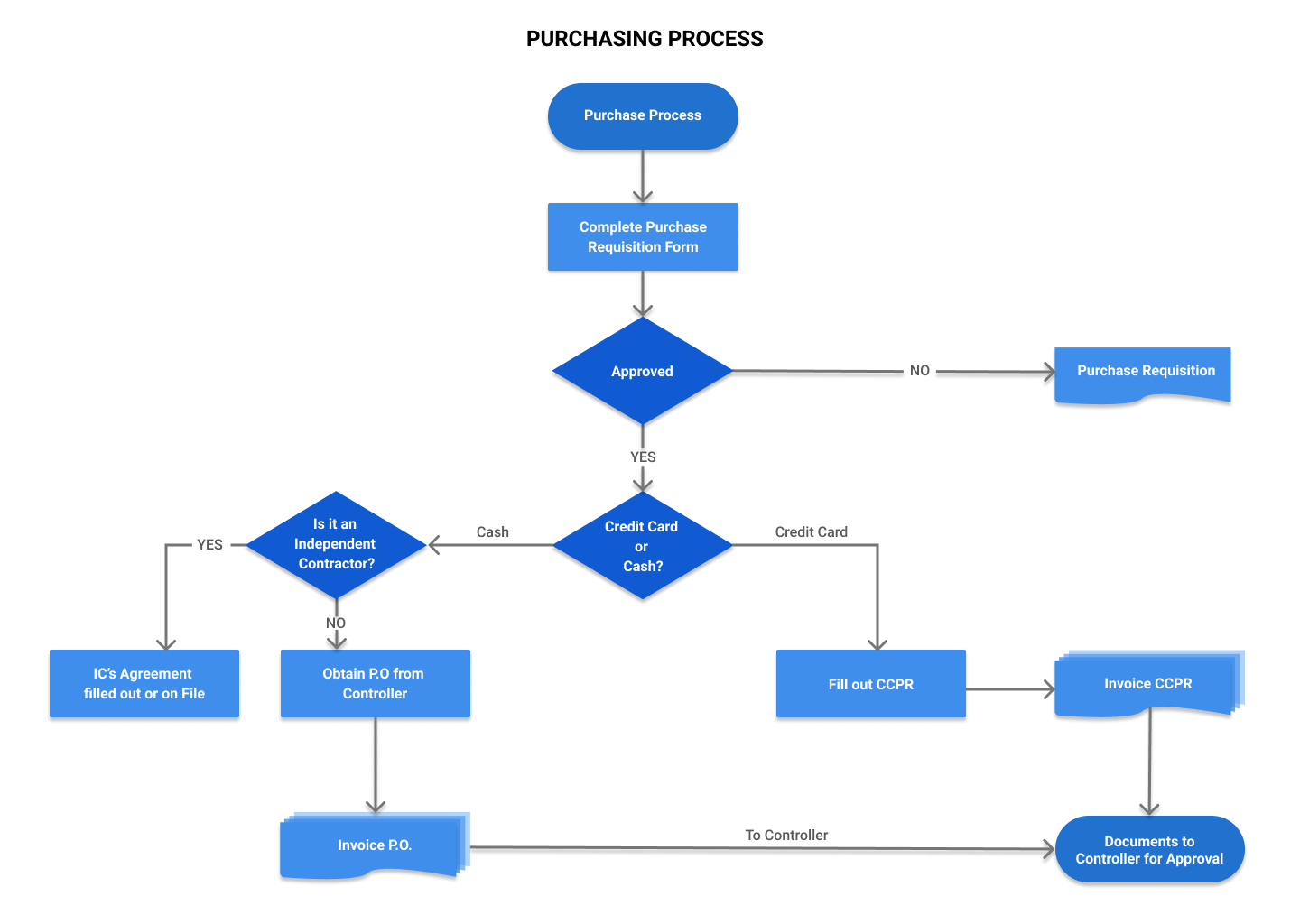

5
What These Jobs Do in a Content Creation Setting
Business and operations professionals convert creative output into repeatable, manageable systems.
In a content-creation business, these roles typically:
- Build publishing and production schedules
- Coordinate creators, editors, designers, and contractors
- Manage platform deadlines and deliverables
- Oversee budgeting and operational planning
- Translate creative goals into executable plans
Key Roles
- Business Manager – Oversees strategy, budgets, growth planning, and monetization alignment
- Operations Manager – Designs workflows for content production, publishing, and delivery
- Project Manager – Manages launches, campaigns, series, and cross-platform initiatives
- Operations / Office Administrator – Handles scheduling, documentation, and coordination
These roles reduce chaos and burnout by replacing ad-hoc decisions with structured processes [3].
Job Market Context
Business and financial occupations are projected to grow faster than the overall labor market, with hundreds of thousands of annual openings driven by organizational demand across sectors [4].
How to Join This Industry / Market
- Enter through standard business roles (operations, admin, project coordination)
- Learn project management tools and workflow systems
- Gain experience in small businesses or agencies
- Transition into media, publishing, or creator-led organizations
- Reframe experience as media operations rather than general administration
Further Reading
- Küng, Strategic Management in the Media
- Doyle, Understanding Media Economics
- Harvard Business Review – operations & organizational systems
3. Finance, Accounting & Economic Control


5
What These Jobs Do in a Content Creation Setting
Finance professionals impose economic discipline on an otherwise volatile industry.
In content businesses, finance roles:
- Track multi-source revenue (ads, sponsorships, products, services)
- Manage irregular income and cash-flow timing
- Handle taxes, contractor payments, and compliance
- Forecast revenue and pricing strategy
- Identify unsustainable growth patterns early
Key Roles
- Accountant / Bookkeeper – Tracks income, expenses, and tax obligations
- Financial Analyst – Analyzes revenue trends and monetization performance
- Payroll / Payments Specialist – Manages contractor and freelancer compensation
Research shows that many creator-led businesses fail not from lack of audience, but from poor financial management [5].
Job Market Context
Accounting and auditing roles maintain steady growth with wages above the national median, reflecting persistent demand across digital and non-digital industries alike [6].
How to Join This Industry / Market
- Obtain a degree in accounting or finance (typical, but not always required)
- Enter through junior accounting or analyst roles
- Develop expertise in digital revenue models
- Specialize later in media or creator-focused finance
- Certifications (CPA, CMA) significantly improve mobility
Further Reading
- Picard, The Economics and Financing of Media Companies
- OECD – creative sector financing reports
- Journal of Cultural Economics
4. Legal, Compliance & Intellectual Property


5
What These Jobs Do in a Content Creation Setting
Content creation is fundamentally an intellectual-property business.
Legal professionals in this space:
- Draft and manage sponsorship and service contracts
- Ensure copyright and licensing compliance
- Protect trademarks and original works
- Manage platform terms and disclosure requirements
- Reduce legal and financial risk as businesses scale
Key Roles
- Contract Manager – Drafts and tracks agreements
- Paralegal / Legal Assistant – Supports documentation and compliance
- IP / Licensing Specialist – Manages rights, usage, and permissions
- Compliance Officer – Ensures regulatory and platform compliance
Without legal structure, content businesses face revenue clawbacks, platform penalties, and litigation [7].
Job Market Context
Demand for IP, licensing, and compliance roles has grown alongside digital publishing and global distribution complexity [8].
How to Join This Industry / Market
- Study legal studies, paralegal programs, or law
- Enter through law firms or corporate legal departments
- Specialize in IP, advertising, or digital media law
- Transition into in-house roles at media or platform companies
Further Reading
- Lessig, Free Culture
- World Intellectual Property Organization (WIPO)
- New Media & Society
5. Sales, Partnerships & Revenue Operations


5
What These Jobs Do in a Content Creation Setting
Revenue does not scale automatically with audience size.
Sales and partnerships professionals:
- Convert attention into contracts and recurring income
- Negotiate sponsorships and brand deals
- Build long-term advertiser relationships
- Reduce dependence on volatile platform advertising
- Design repeatable revenue pipelines
Key Roles
- Sales Representative – Closes advertising and sponsorship deals
- Account Manager – Maintains partner relationships
- Partnerships Manager – Develops strategic collaborations
- Revenue Operations Analyst – Optimizes monetization systems
These roles professionalize monetization and stabilize income streams [9].
Job Market Context
Sales and revenue roles remain among the most consistently available professional positions, especially in digital and advertising-adjacent industries [10].
How to Join This Industry / Market
- Enter through sales or account support roles
- Learn CRM tools and negotiation fundamentals
- Gain experience in digital advertising models
- Specialize in media-based revenue systems
Further Reading
- Davenport & Beck, The Attention Economy
- Stratechery (platform economics)
- Journal of Media Business Studies
6. Manufacturing, Logistics & Physical Distribution


What These Jobs Do in a Content Creation Setting
As creators diversify revenue, many sell physical products.
Logistics professionals:
- Manage inventory and fulfillment
- Coordinate manufacturing timelines
- Ensure quality control
- Optimize shipping and cost structures
Key Roles
- Product / Packaging Designer
- Supply Chain Manager
- Fulfillment Manager
- Quality Control Specialist
These roles apply industrial discipline to creator-led retail ventures [11].
Job Market Context
Logistics and supply-chain roles have experienced accelerated demand due to e-commerce growth [12].
How to Join This Industry / Market
- Study logistics, supply chain, or operations
- Enter through warehouse or operations roles
- Gain experience with e-commerce systems
- Transition into creator-led product businesses
Further Reading
- Levinson, The Box
- MIT Center for Transportation & Logistics
- Journal of Business Logistics
7. Human Resources, Talent & Organizational Design


What These Jobs Do in a Content Creation Setting
Content businesses rely heavily on freelancers and remote teams.
HR professionals:
- Manage contractor compliance
- Coordinate recruitment and onboarding
- Reduce turnover and burnout
- Ensure labor law compliance
Key Roles
- HR Generalist
- Recruiter
- Talent Coordinator
- Contractor Manager
These roles provide continuity in a highly fragmented labor model [13].
Job Market Context
HR management roles show steady growth and strong median wages, especially in knowledge-based industries [14].
How to Join This Industry / Market
- Study HR, business, or psychology
- Enter through HR assistant or recruiter roles
- Learn remote workforce compliance
- Transition into media or agency organizations
Further Reading
- Kalleberg, Precarious Lives
- SHRM publications
- Journal of Organizational Behavior
8. Entry Pathways Across Traditional Content-Adjacent Roles
Across all traditional roles, the dominant entry pattern is indirect:
- Enter through standard job markets
- Build transferable professional skills
- Learn media-specific constraints (platforms, IP, volatility)
- Transition into content-driven organizations
This pathway preserves cross-industry mobility, offering long-term career resilience [15].
9. Closing Perspective
Content creation does not eliminate traditional professions—it depends on them.
Creators generate attention, but traditional roles:
- Stabilize revenue
- Protect intellectual property
- Enable scale
- Sustain long-term operations
For many professionals, the most durable path into the content economy is through established expertise, not visibility.
References
- Towse, R. (2010). A Textbook of Cultural Economics.
- Hesmondhalgh, D. (2019). The Cultural Industries.
- Küng, L. (2017). Strategic Management in the Media.
- U.S. Bureau of Labor Statistics. Business and Financial Occupations.
- Picard, R. (2011). The Economics and Financing of Media Companies.
- U.S. Bureau of Labor Statistics. Accountants and Auditors.
- Lessig, L. (2004). Free Culture.
- World Intellectual Property Organization. Copyright in the Digital Economy.
- Davenport, T. & Beck, J. (2001). The Attention Economy.
- Harvard Business Review. Revenue Operations Research.
- Levinson, M. (2006). The Box.
- MIT Center for Transportation & Logistics.
- Kalleberg, A. (2018). Precarious Lives.
- U.S. Bureau of Labor Statistics. Human Resources Managers.
- OECD. (2020). Career Mobility and Skill Transfer.
Leave a Reply