Author: Alexander Christian Greco

  • Habits: What They Are, How They Form, and How to Change Them

    Habits: What They Are, How They Form, and How to Change Them

    Written by Alexander Christian Greco

    With the Help of ChatGPT

    Habits: What They Are, How They Form, and How to Change Them

    A structured, evidence-informed exploration with references and further reading


    Introduction

    Habits are among the most powerful forces shaping human behavior. Much of daily life—how we eat, move, think, work, cope with stress, and relate to others—is guided not by deliberate choice but by automatic patterns learned over time. Research in psychology and neuroscience consistently shows that a substantial portion of everyday behavior is habitual rather than consciously decided, meaning that understanding habits is essential for understanding human behavior itself [1][2].

    This article explores what habits are, why they exist, how they are formed at psychological and neurological levels, and how they can be intentionally built, modified, or replaced. It also provides concrete examples of good and bad habits, emphasizing that habits are morally neutral mechanisms whose value depends on their outcomes. Inline references are included to ground the discussion in established research and widely cited works, with a reference list and further reading section provided at the end.


    1. What Are Habits?

    A habit is a learned behavior that becomes automatic through repetition in a stable context. Unlike deliberate actions, habits require little conscious thought once established. They are triggered by cues in the environment and executed efficiently by the brain to conserve mental energy [3].

    https://images.squarespace-cdn.com/content/v1/5a5d2ec8e45a7ce92cca7aed/1612217258439-PSLMPE9ZSGRMPG6JC1IV/Habit%2BLoop.png

    From a behavioral perspective, habits are not simply frequent actions. They are actions that have transitioned from conscious control to automatic execution. For example, tying one’s shoes or locking a door often occurs without active awareness, yet these behaviors are highly reliable and consistent.

    Core Properties of Habits

    Most habits share several defining characteristics [1][4]:

    • Automaticity – The behavior occurs with minimal conscious effort.
    • Cue-dependence – A specific internal or external signal triggers the behavior.
    • Efficiency – Execution becomes faster and smoother with repetition.
    • Stability – Habits persist over time unless disrupted or replaced.
    • Context sensitivity – Habits are often tied to specific environments or emotional states.

    These properties explain why habits can be both extraordinarily helpful and frustratingly difficult to change.


    2. Why Humans Depend on Habits

    The human brain is an energy-conserving system. Conscious decision-making is metabolically expensive, engaging regions associated with attention, planning, and self-control. Habits reduce this cost by outsourcing repeated behaviors to automatic processes [2].

    From an evolutionary standpoint, habits allowed humans to respond quickly and reliably to recurring situations without re-evaluating each decision from scratch. In modern environments, this same mechanism governs everything from driving familiar routes to checking smartphones.

    Research suggests that habits are especially dominant under conditions of [3][5]:

    • Time pressure
    • Stress or fatigue
    • Emotional arousal
    • Repetitive environments

    This is why people often revert to habits—good or bad—when under strain.


    3. The Habit Loop: Cue, Routine, Reward

    One of the most influential frameworks for understanding habits is the habit loop, which describes how habits are learned and reinforced over time [1][4].

    3.1 Cue

    The cue is the trigger that initiates the habitual behavior. Cues signal the brain that a familiar pattern is about to unfold.

    Common categories of cues include [1]:

    • Time of day
    • Physical location
    • Emotional state
    • Presence of specific people
    • A preceding action

    For example, stress may cue nail-biting, while finishing dinner may cue dessert.

    3.2 Routine

    The routine is the behavior itself—the action, thought, or emotional response that follows the cue. This may be physical (eating), mental (rumination), or emotional (withdrawal).

    3.3 Reward

    The reward is the outcome that reinforces the habit. Rewards teach the brain that the routine is worth repeating. They may include pleasure, relief, social approval, or the avoidance of discomfort [2].

    Over time, the brain begins to anticipate the reward as soon as the cue appears, strengthening the habit loop.


    4. Neurological Foundations of Habit Formation

    Neuroscience research shows that habits are supported by changes in neural circuitry. Early in learning, decision-making regions of the brain are highly active. With repetition, control shifts toward regions involved in automatic pattern execution, reducing cognitive effort [6].

    This process explains two important observations:

    1. Habits become easier with repetition.
    2. Habits persist even when motivation declines.

    Once a habit is encoded neurologically, it can be triggered even when conscious goals change, which is why awareness alone is often insufficient for habit change [3].


    5. Examples of Good Habits

    Good habits are behaviors that produce positive long-term outcomes, even if their immediate rewards are modest or delayed.

    5.1 Physical Health Habits

    Examples include:

    • Regular physical activity
    • Consistent sleep routines
    • Adequate hydration
    • Balanced nutrition
    • Preventive healthcare behaviors

    These habits are strongly associated with reduced disease risk and improved quality of life [7].

    5.2 Mental and Emotional Habits

    Examples include:

    • Mindfulness or meditation
    • Reflective journaling
    • Gratitude practices
    • Cognitive reframing
    • Emotional regulation strategies

    Such habits shape perception, stress response, and resilience [8].

    5.3 Productivity and Learning Habits

    Examples include:

    • Daily planning
    • Time-blocking
    • Focused work sessions
    • Regular reading or study
    • Systematic skill practice

    These habits reduce decision fatigue and increase consistency over time [9].

    5.4 Social and Relationship Habits

    Examples include:

    • Active listening
    • Expressing appreciation
    • Following through on commitments
    • Setting and respecting boundaries

    Over time, these habits build trust and relational stability [10].


    6. Examples of Bad Habits

    Bad habits are behaviors that deliver short-term rewards but produce negative long-term consequences.

    6.1 Health-Related Bad Habits

    Examples include:

    • Smoking or substance misuse
    • Chronic sleep deprivation
    • Emotional overeating
    • Sedentary behavior

    Many of these habits originate as coping strategies before becoming entrenched [7].

    6.2 Cognitive and Emotional Bad Habits

    Examples include:

    • Rumination
    • Chronic worry
    • Negative self-talk
    • Avoidance behaviors

    These habits influence how individuals interpret events and can reinforce anxiety or depression [8].

    6.3 Productivity-Draining Habits

    Examples include:

    • Procrastination
    • Excessive multitasking
    • Compulsive device checking
    • Perfectionism

    Such habits often function as avoidance of discomfort rather than lack of discipline [9].


    7. Why Bad Habits Are Difficult to Break

    Bad habits persist because they are effective at delivering immediate rewards. The brain prioritizes short-term reinforcement over delayed consequences, especially under stress [2][5].

    Key factors include:

    • Strong emotional rewards
    • Highly accessible cues
    • Environmental reinforcement
    • Identity associations
    • Delayed negative outcomes

    Understanding these mechanisms reframes habit change as a design problem rather than a moral failure.


    8. How Habits Are Built Intentionally

    8.1 Start Small

    Research consistently shows that smaller behaviors are more likely to become habitual because they encounter less resistance [3].

    8.2 Attach New Habits to Existing Ones

    Known as habit stacking, this approach uses existing cues to anchor new behaviors, increasing consistency [4].

    8.3 Make Rewards Immediate

    Immediate feedback accelerates learning by strengthening the cue-reward association [2].

    8.4 Shape the Environment

    Environmental design often outperforms motivation. Making desired behaviors easier and undesired behaviors harder is one of the most effective habit strategies [9].


    9. How Habits Are Changed or Replaced

    Habits are rarely erased; they are more often redirected.

    9.1 Identify Cues and Rewards

    Understanding what triggers a habit and what need it satisfies is essential for change [1].

    9.2 Replace the Routine

    Maintaining the cue and reward while changing the behavior preserves the habit loop.

    9.3 Reduce Exposure to Triggers

    Altering environments reduces automatic activation of unwanted habits.

    9.4 Expect Relapse

    Relapse reflects incomplete learning, not failure. Each lapse provides data for refinement [3].


    10. Identity and Habit Change

    Modern habit research emphasizes identity as a powerful driver of behavior. Habits reinforce beliefs about who we are, and those beliefs guide future behavior [4].

    Rather than focusing solely on outcomes, identity-based habits emphasize becoming a certain type of person through consistent action. This framework is widely discussed in Atomic Habits, which synthesizes behavioral science into practical habit strategies.


    11. How Long Do Habits Take to Form?

    There is no universal timeframe. Habit formation depends on behavior complexity, frequency, reward strength, and individual differences [3].

    Consistency under stable conditions matters more than duration measured in days.


    12. Habits as Interconnected Systems

    Habits rarely exist in isolation. Sleep habits affect energy, which affects exercise, mood, focus, and decision-making. Small changes can cascade into larger life improvements when habits are aligned as systems rather than isolated goals [9].


    Conclusion

    Habits are the invisible infrastructure of daily life. They are learned, cue-driven, and neurologically efficient behaviors that shape health, productivity, and identity. Good habits compound into growth and resilience; bad habits compound into limitation and stress.

    Understanding how habits form—and how they can be reshaped—transforms behavior change from a struggle of willpower into a process of design. With awareness, environmental alignment, and patience, habits can become deliberate tools for building the life one intends to live.


    References

    1. Duhigg, C. (2012). The Power of Habit. Random House.
    2. Wood, W., & Rünger, D. (2016). Psychology of habit. Annual Review of Psychology, 67, 289–314.
    3. Lally, P., van Jaarsveld, C. H. M., Potts, H. W. W., & Wardle, J. (2010). How are habits formed? European Journal of Social Psychology, 40(6), 998–1009.
    4. Clear, J. (2018). Atomic Habits. Avery.
    5. Baumeister, R. F., & Tierney, J. (2011). Willpower. Penguin Press.
    6. Graybiel, A. M. (2008). Habits, rituals, and the evaluative brain. Annual Review of Neuroscience, 31, 359–387.
    7. World Health Organization. (2023). Healthy living and lifestyle behaviors.
    8. Beck, J. S. (2011). Cognitive Behavior Therapy: Basics and Beyond. Guilford Press.
    9. Newport, C. (2016). Deep Work. Grand Central Publishing.
    10. Gottman, J. M., & Silver, N. (2015). The Seven Principles for Making Marriage Work. Harmony Books.

    Further Reading

    • The Power of Habit – Narrative exploration of habit science and real-world case studies.
    • Tiny Habits – Behavior design approach emphasizing small actions.
    • Deep Work – Habit-based focus and productivity strategies.
    • Willpower – Self-control and behavioral persistence.
    • Stanford Behavior Design Lab – Research and practical frameworks for habit formation.

  • The Fundamentals of Game Theory

    The Fundamentals of Game Theory

    Written by Alexander Christian Greco

    With the Help of ChatGPT

    The Fundamentals of Game Theory

    A Structured, Referenced Introduction to Strategic Interaction

    Abstract

    Game theory is a formal framework for analyzing strategic interaction—situations in which the outcome for each participant depends not only on their own decisions but also on the decisions of others. Developed initially within mathematics and economics, game theory now underpins critical work in political science, biology, computer science, cybersecurity, artificial intelligence, and behavioral sciences. This article presents a comprehensive introduction to the fundamentals of game theory, including its core concepts, formal structures, major classes of games, equilibrium notions, and real-world applications. Inline references, a formal reference list, and curated further reading are included to support academic use and continued study.


    1. Introduction: What Is Game Theory?

    Game theory studies strategic interdependence—decision-making environments where outcomes depend on the combined actions of multiple agents rather than on isolated choices (Osborne & Rubinstein, 1994). These agents, called players, may be individuals, firms, governments, algorithms, or biological organisms.

    In contrast to everyday usage, a game in game theory is any structured interaction defined by:

    • Players
    • Strategies
    • Payoffs
    • Information rules

    Classic examples include market competition, voting systems, military deterrence, bargaining, and resource allocation (Gibbons, 1992).

    https://www.researchgate.net/publication/220272822/figure/fig1/AS%3A642483742593024%401530191469646/Payoff-matrix-for-the-Prisoners-Dilemma-game.png

    The formal origins of game theory are attributed to John von Neumann, whose work with economist Oskar Morgenstern established the mathematical foundations of strategic analysis in Theory of Games and Economic Behavior (von Neumann & Morgenstern, 1944).


    2. Why Game Theory Matters

    Game theory matters because most meaningful decisions occur in interactive environments. Prices, wages, treaties, social norms, and algorithmic systems are shaped by strategic anticipation—actors choosing while accounting for others’ incentives and likely responses (Myerson, 1991).

    Applications include:

    • Firms setting prices under competition (Bertrand and Cournot models)
    • Nations deciding whether to cooperate or defect in international agreements
    • Online platforms designing auctions and recommendation systems
    • AI agents competing or coordinating in shared environments
    • Organisms evolving behavioral strategies under selection pressure

    Game theory offers a rigorous way to understand why systems stabilize where they do—and when instability or inefficiency emerges.


    3. Core Components of a Game

    3.1 Players

    Players are decision-makers. Traditional models assume rationality, meaning players select actions that maximize their expected utility given beliefs about others’ behavior (Mas-Colell et al., 1995). Later models relax this assumption through bounded rationality and behavioral approaches.

    3.2 Strategies

    A strategy is a complete contingent plan—specifying what a player will do in every possible situation within the game (Fudenberg & Tirole, 1991).

    Strategies may be:

    • Pure (deterministic actions)
    • Mixed (probability distributions over actions)

    3.3 Payoffs

    Payoffs quantify preferences over outcomes. They may represent money, utility, survival probability, prestige, or system performance. Importantly, game theory models ordinal or cardinal preferences, not moral worth.

    3.4 Information

    Information structures determine what players know and when they know it. These include:

    • Knowledge of others’ actions
    • Knowledge of payoff functions
    • Knowledge of types or characteristics

    Information asymmetry is central to many real-world strategic problems (Akerlof, 1970).


    4. Major Classes of Games

    4.1 Simultaneous vs. Sequential Games

    • Simultaneous games: players act without observing others’ choices (e.g., price setting).
    • Sequential games: players move in sequence, observing earlier actions (e.g., bargaining).

    Sequential games require concepts like subgame perfection to rule out non-credible threats (Selten, 1965).

    4.2 Cooperative vs. Non-Cooperative Games

    • Non-cooperative game theory studies individual decision-making without enforceable agreements.
    • Cooperative game theory studies coalition formation and payoff allocation (Shapley value, core).

    Most foundational results focus on non-cooperative games.

    4.3 Zero-Sum vs. Non-Zero-Sum Games

    • Zero-sum games: total payoffs are constant (one player’s gain is another’s loss).
    • Non-zero-sum games: mutual gains or losses are possible.

    Many social dilemmas arise in non-zero-sum settings.

    4.4 Complete vs. Incomplete Information

    • Complete information: all players know the game structure.
    • Incomplete information: some aspects are unknown, requiring belief-based reasoning (Harsanyi, 1967).

    5. Game Representations

    5.1 Normal (Strategic) Form

    Normal form represents games as payoff matrices, listing strategies and outcomes. This format is common for simultaneous games and introductory analysis.

    5.2 Extensive Form

    Extensive form uses decision trees to model timing, information sets, and sequential rationality. It is essential for analyzing commitment, signaling, and dynamic strategies.


    https://saylordotorg.github.io/text_introduction-to-economic-analysis/section_17/8c015a1d9042645b104806d273662597.jpg

    6. The Prisoner’s Dilemma

    The Prisoner’s Dilemma is the most famous game in game theory because it reveals how rational individual behavior can produce collectively inferior outcomes (Axelrod, 1984).

    Each player chooses between cooperate and defect. Defection strictly dominates cooperation, yet mutual cooperation would yield higher total welfare. This tension explains phenomena such as:

    • Arms races
    • Environmental degradation
    • Overexploitation of shared resources

    The dilemma highlights the limits of one-shot rationality.


    7. Nash Equilibrium

    7.1 Definition

    A Nash equilibrium is a strategy profile where no player can improve their payoff by unilaterally deviating, given the strategies of others (Nash, 1950).

    7.2 Significance

    Nash equilibrium generalizes equilibrium concepts across almost all non-cooperative games and provides a stability criterion for strategic systems.

    7.3 Critiques

    • Equilibria may be inefficient
    • Multiple equilibria can exist
    • Some equilibria rely on implausible beliefs

    Despite these issues, Nash equilibrium remains foundational.


    8. Mixed Strategies and Randomization

    When pure-strategy equilibria do not exist, players may randomize. Mixed strategy equilibria are common in competitive contexts such as security, sports, and market entry games (Osborne, 2004).

    Randomization prevents predictability and exploitation.


    9. Dominant Strategies and Iterative Elimination

    A dominant strategy yields higher payoffs regardless of others’ actions. When dominant strategies exist, equilibrium analysis is straightforward.

    Game theorists often apply iterated elimination of dominated strategies, removing inferior actions step by step to simplify strategic reasoning.


    10. Repeated Games and the Emergence of Cooperation

    When games repeat over time, players can condition current behavior on past actions. This enables:

    • Reputation effects
    • Credible punishment
    • Long-run cooperation

    Strategies like Tit-for-Tat demonstrate how cooperation can emerge even among self-interested agents (Axelrod, 1984).

    Repeated games explain the evolution of norms, trust, and institutions.


    11. Incomplete Information and Bayesian Games

    In many environments, players lack full knowledge of others’ preferences or constraints. Bayesian games model this uncertainty using types and beliefs (Harsanyi, 1967).

    A Bayesian Nash equilibrium accounts for optimal behavior given probabilistic beliefs and private information.

    Applications include:

    • Auctions
    • Insurance markets
    • Contract theory

    12. Signaling and Screening

    • Signaling occurs when informed players send costly signals to convey information (Spence, 1973).
    • Screening occurs when uninformed players design mechanisms to induce self-revelation.

    These concepts are central to labor economics, finance, and online marketplaces.


    13. Mechanism Design

    Mechanism design reverses the traditional question: instead of predicting outcomes from rules, it asks how to design rules that lead to desired outcomes despite strategic behavior (Myerson, 1991).

    Examples include:

    • Auction formats
    • Voting systems
    • Matching algorithms

    It is foundational to modern market design and platform economics.


    14. Evolutionary Game Theory

    Evolutionary game theory replaces rational choice with population dynamics (Maynard Smith, 1982). Strategies that perform better reproduce or spread more widely.

    Key concepts include:

    • Evolutionarily Stable Strategies (ESS)
    • Replicator dynamics
    • Frequency-dependent selection

    This framework connects game theory with biology, sociology, and cultural evolution.


    15. Game Theory in Computer Science and AI

    Game theory underlies:

    • Algorithmic mechanism design
    • Multi-agent systems
    • Adversarial learning
    • Network security
    • Distributed resource allocation

    As autonomous systems increasingly interact strategically, game-theoretic reasoning is becoming central to AI safety and alignment research.


    16. Strengths and Limitations

    Strengths

    • Formal precision
    • Broad applicability
    • Clear incentive analysis

    Limitations

    • Strong rationality assumptions
    • Sensitivity to payoff specification
    • Computational complexity in large systems

    Behavioral and experimental game theory address many of these limitations.


    17. Conclusion

    Game theory provides a powerful, unified framework for understanding strategic behavior across economics, politics, biology, and technology. By formalizing incentives and expectations, it explains both cooperation and conflict—and why rational agents sometimes fail to achieve collectively optimal outcomes.

    As societies, markets, and intelligent systems grow more interconnected, the insights of game theory will remain essential for understanding and designing strategic environments.


    References

    Akerlof, G. A. (1970). The market for “lemons”: Quality uncertainty and the market mechanism. Quarterly Journal of Economics, 84(3), 488–500.

    Axelrod, R. (1984). The Evolution of Cooperation. Basic Books.

    Fudenberg, D., & Tirole, J. (1991). Game Theory. MIT Press.

    Gibbons, R. (1992). A Primer in Game Theory. Harvester Wheatsheaf.

    Harsanyi, J. C. (1967). Games with incomplete information played by Bayesian players. Management Science, 14(3), 159–182.

    Mas-Colell, A., Whinston, M. D., & Green, J. R. (1995). Microeconomic Theory. Oxford University Press.

    Maynard Smith, J. (1982). Evolution and the Theory of Games. Cambridge University Press.

    Myerson, R. B. (1991). Game Theory: Analysis of Conflict. Harvard University Press.

    Nash, J. F. (1950). Equilibrium points in n-person games. Proceedings of the National Academy of Sciences, 36(1), 48–49.

    Osborne, M. J. (2004). An Introduction to Game Theory. Oxford University Press.

    Osborne, M. J., & Rubinstein, A. (1994). A Course in Game Theory. MIT Press.

    von Neumann, J., & Morgenstern, O. (1944). Theory of Games and Economic Behavior. Princeton University Press.


    Further Reading & Learning Pathways

    Introductory

    • Dixit, A., & Skeath, S. – Games of Strategy
    • Stanford Encyclopedia of Philosophy – Game Theory entries

    Intermediate

    • Camerer, C. – Behavioral Game Theory
    • Jackson, M. – Social and Economic Networks

    Advanced

    • Algorithmic Game Theory (Nisan et al.)
    • Mechanism Design and Market Design literature
    • Multi-agent reinforcement learning research
  • Small Business Markets in 2026: Jobs, Trends, and Growth Trajectories

    Small Business Markets in 2026: Jobs, Trends, and Growth Trajectories

    Written by Alexander Christian Greco

    With the Help of ChatGPT

    Abstract

    Small businesses form the structural backbone of the U.S. economy. They account for nearly all firms, employ a large share of the private workforce, and consistently generate a disproportionate share of net new jobs. In 2026, the small-business market is shaped by elevated entrepreneurship, evolving labor conditions, persistent cost pressures, and accelerating adoption of digital tools and artificial intelligence. This article provides a comprehensive overview of the contemporary small-business market, including current trends, employment dynamics, future projections, and the job categories with the greatest growth potential. The analysis draws on data from the U.S. Small Business Administration, U.S. Bureau of Labor Statistics, the U.S. Census Bureau, the Federal Reserve, and the National Federation of Independent Business, offering an integrated view for business owners, workers, and policymakers.

    Disclosure (AI drafting note)

    This article was drafted with the assistance of an AI language model. While grounded in publicly available economic data, readers should validate conclusions against local conditions, industry-specific regulations, and the most recent government releases before making strategic or career decisions.


    Table of Contents

    1. The Small Business Market Snapshot (2025–2026)
    2. What the “Small Business Market” Encompasses
    3. Current Trends Shaping Small Businesses
    4. The Small Business Job Market
    5. Future Employment Projections
    6. Areas of Greatest Job-Growth Potential
    7. Strategic Implications for Businesses and Workers
    8. Further Reading
    9. References

    1. The Small Business Market Snapshot (2025–2026)

    Small businesses dominate the U.S. economic landscape. According to the SBA’s most recent national profile, the United States is home to 36.2 million small businesses, representing 99.9% of all firms and employing 62.3 million workers, or 45.9% of private-sector employment . These figures underscore a critical reality: most economic activity, employment, and innovation occurs not within large corporations, but within small and medium-sized enterprises.

    Beyond scale, small businesses are central to job creation and destruction, a normal and healthy feature of a dynamic economy. SBA data indicate that millions of jobs are created annually by small firms through expansions and startups, even as others contract or close . This continuous churn enables experimentation, local adaptation, and responsiveness to changing consumer demand.

    Entrepreneurship remains elevated. Census Bureau Business Formation Statistics show 535,041 seasonally adjusted business applications in November 2025, a 7.1% increase over the prior month, with more than 31,000 applications projected to result in employer businesses within four quarters . While not all new firms survive, the volume of formation indicates sustained interest in self-employment, local services, and independent enterprise.


    2. What the “Small Business Market” Encompasses

    The term small business covers a wide range of organizational forms:

    • Nonemployer firms, including freelancers, contractors, and solo entrepreneurs
    • Employer firms, such as local retailers, trades businesses, clinics, restaurants, and logistics operators
    • Early-stage startups, which represent a small share numerically but can have outsized innovation impact

    Most small-business employment is concentrated in services, construction and trades, healthcare, hospitality, transportation, and professional services. These sectors tend to reward proximity, responsiveness, and trust—advantages that small firms can offer more readily than large, centralized organizations.

    A useful analytical framework is the interaction of local demand, repeatable operations, and regulatory intensity. Industries with stable local demand and manageable compliance burdens tend to support dense ecosystems of small businesses, while capital-intensive or heavily regulated industries skew toward larger firms, albeit with persistent niches for specialized small operators.


    3. Current Trends Shaping Small Businesses

    3.1 Labor conditions: easing, but still constrained

    Although labor shortages have moderated compared to earlier post-pandemic years, small businesses continue to report difficulty filling open positions. NFIB surveys consistently identify labor quality and unfilled job openings as top concerns, alongside ongoing wage pressures . Many firms have raised compensation and still plan additional increases, reflecting competition for reliable workers .

    3.2 Revenue pressure and cautious investment

    The Federal Reserve’s Small Business Credit Survey reports that, for the first time since 2021, more employer firms reported revenue declines than increases, even as credit access and application rates remained relatively stable . This environment encourages selective investment, with owners prioritizing expenditures that directly protect cash flow or improve operational efficiency.

    3.3 Accelerating adoption of AI and automation

    Digital transformation has reached even the smallest firms. SBA research drawing on Census Bureau survey data suggests that the adoption gap between small and large businesses is narrowing, particularly for AI-enabled tools . Independent surveys report sharp year-over-year increases in generative AI use among small businesses for marketing, scheduling, customer support, and internal documentation .

    3.4 Digitization of “offline” businesses

    Digital operations are no longer optional. Even firms providing physical or in-person services now rely on online reviews, digital payments, customer relationship management systems, and basic analytics. Firms that integrate these tools effectively often outperform technically superior competitors with weaker operational discipline.

    3.5 Heightened uncertainty and resilience planning

    Cost volatility, shifting demand, and supply-chain disruptions continue to affect small businesses more acutely than large enterprises. Recent commentary and surveys emphasize adaptive staffing, pricing strategies, and diversification as core resilience practices .


    4. The Small Business Job Market

    4.1 High-demand roles

    Small businesses consistently hire for roles that support revenue generation and daily operations, including:

    • Sales and customer acquisition specialists
    • Operations coordinators, dispatchers, and office managers
    • Skilled tradespeople and technicians
    • Service delivery and frontline staff
    • Bookkeeping, payroll, and financial administration professionals

    4.2 Persistent hiring challenges

    Despite improving labor supply, NFIB data indicate that many firms still struggle to fill openings due to mismatches in skills, scheduling expectations, and training capacity . Firms that succeed often invest in clearer job design, structured onboarding, and internal skill development rather than relying solely on external hiring.


    5. Future Employment Projections

    5.1 Slower overall growth, higher stakes

    The BLS projects 5.2 million net new jobs between 2024 and 2034, representing overall employment growth of 3.1%, slower than in the previous decade . In a slower-growth environment, sector selection becomes increasingly important for both firms and workers.

    5.2 Healthcare and social assistance as the primary driver

    Healthcare and social assistance are projected to be the fastest-growing major sector, adding jobs at an estimated 8.4% rate over the decade . This growth strongly benefits small businesses, which dominate outpatient care, home health services, therapy practices, and administrative support functions.

    5.3 Fast-growing occupations and small-business ecosystems

    Among the fastest-growing occupations identified by the BLS are wind turbine service technicians, solar photovoltaic installers, nurse practitioners, and data scientists . While some of these roles are concentrated in larger organizations, they generate extensive demand for small contractors, service providers, and support firms.


    6. Areas of Greatest Job-Growth Potential

    Healthcare operations and support

    Demographic trends, including population aging, underpin sustained demand for healthcare services . Small-business opportunities include clinic operations, medical billing, home care coordination, and patient engagement services.

    Skilled trades and infrastructure services

    Residential and commercial repair, retrofitting, and efficiency upgrades remain resilient, supporting apprenticeships, technicians, estimators, and compliance specialists.

    Renewable energy installation and maintenance

    Rapid growth in renewable energy occupations supports local installation, maintenance, permitting, and customer-education businesses .

    Practical AI and automation services

    Rather than employing specialized data scientists, most small firms seek generalists who can integrate AI tools into workflows, automate routine tasks, and enhance customer interactions .

    Logistics and field services

    Local delivery, installation, and repair services rely heavily on small businesses, creating demand for dispatchers, route planners, and inventory coordinators.

    Cybersecurity and compliance support

    As digital operations expand, small businesses increasingly require affordable cybersecurity and regulatory-compliance services, often delivered by fractional or contract specialists.


    7. Strategic Implications

    For business owners, success increasingly depends on job design, training infrastructure, and selective technology adoption. For workers, the strongest career prospects lie in hybrid roles that combine domain knowledge, operational skills, and digital literacy.


    8. Further Reading

    • SBA Office of Advocacy – Small Business Profiles and Research Spotlights
    • U.S. Census Bureau – Business Formation Statistics
    • BLS – Employment Projections and Occupational Outlook
    • Federal Reserve – Small Business Credit Survey Reports
    • NFIB – Small Business Economic Trends Reports

    9. References (APA Style)

    • National Federation of Independent Business. (2025). Small Business Economic Trends Report.
    • National Federation of Independent Business. (2025). Small Business Jobs Report.
    • U.S. Bureau of Labor Statistics. (2025). Employment Projections: 2024–2034.
    • U.S. Bureau of Labor Statistics. (2025). Fastest-Growing Occupations.
    • U.S. Census Bureau. (2025). Business Formation Statistics.
    • U.S. Small Business Administration, Office of Advocacy. (2025). Small Business Profile: United States.
    • U.S. Small Business Administration, Office of Advocacy. (2025). AI in Business: Research Spotlight.
    • Federal Reserve Banks. (2025). Small Business Credit Survey: Employer Firms.
  • How to Start a Self-Sufficient Garden or Farm

    How to Start a Self-Sufficient Garden or Farm

    Written by Alexander Christian Greco

    With the Help of ChatGPT

    A Systems-Based, Evidence-Informed Guide to Producing Your Own Food


    Abstract

    Self-sufficient gardening and small-scale farming represent practical responses to rising food costs, environmental instability, and supply-chain vulnerability. This article provides a comprehensive, step-by-step framework for designing, building, and maintaining a self-sufficient food system at the household or small-farm scale. Drawing on principles from soil science, agroecology, horticulture, and permaculture, it outlines how individuals can move from dependence toward resilience through intentional design, crop selection, infrastructure planning, and long-term system thinking.

    https://homesteadandchill.com/wp-content/uploads/2018/12/howtostartagarden101.jpg

    Disclosure

    This article was drafted with the assistance of an AI language model (ChatGPT, OpenAI) and subsequently reviewed for clarity, educational accuracy, and structural coherence. Readers are encouraged to verify technical details against primary agricultural extension and peer-reviewed sources when implementing systems described herein.


    Introduction: Defining Self-Sufficiency in Food Production

    A self-sufficient garden or farm does not imply total isolation from modern food systems. Rather, it refers to a progressive reduction in dependency, achieved by producing a meaningful portion of household food needs locally and sustainably (FAO, 2018). Self-sufficiency exists along a continuum, ranging from supplemental backyard gardens to integrated homestead systems producing vegetables, fruits, protein, and preserved foods year-round.

    Historically, household-level food production was the norm rather than the exception. Industrial agriculture and globalized supply chains have since shifted food access away from local systems, introducing efficiencies but also vulnerabilities (Pretty, 2008). Recent disruptions—from climate extremes to logistical bottlenecks—have renewed interest in resilient, decentralized food production.

    This article focuses on how to start, emphasizing practical steps grounded in evidence-based agricultural principles.


    1. Establishing Goals and System Scale

    The first step in building a self-sufficient system is goal definition, as system design must align with realistic expectations of labor, time, and output (Mollison, 1988).

    Levels of Self-Sufficiency

    • Supplemental Production: 10–30% of household vegetables
    • Partial Self-Sufficiency: Majority of vegetables, limited fruit and eggs
    • High Self-Sufficiency: Year-round vegetables, preserved surplus, protein
    • Homestead Systems: Integrated food, water, waste, and energy cycles

    Planning Considerations

    • Household size and dietary patterns
    • Available time per week
    • Physical capacity and long-term sustainability
    • Climate and land constraints

    Research consistently shows that incremental scaling improves long-term success and reduces abandonment rates (USDA Extension, 2022).


    2. Site and Environmental Assessment

    Every site presents both constraints and opportunities. Productive systems emerge from working with existing conditions rather than against them.

    Land and Space Evaluation

    Key variables include:

    • Total usable growing area
    • Daily sun exposure (6–8 hours minimum for most crops)
    • Prevailing winds and frost pockets
    • Proximity to water sources

    Urban and suburban systems often rely on intensive space utilization, while rural sites may emphasize diversification and extensification.

    Climate and Growing Zone

    Understanding climate parameters—such as frost dates, heat accumulation, and rainfall patterns—is essential for crop success (FAO, 2011). Tools such as growing-degree-day models and plant hardiness zones allow growers to align crop choice with environmental reality.


    https://phycoterra.com/wp-content/uploads/2023/02/featured-image-soil-testing_275120773-1024x683.jpg

    3. Soil Health as the Foundation of Self-Sufficiency

    Soil quality is the single most important determinant of long-term productivity. Healthy soil supports plant nutrition, water regulation, pest resistance, and carbon sequestration (Lal, 2015).

    Soil Testing

    Baseline soil tests assess:

    • pH balance
    • Macronutrients (N, P, K)
    • Organic matter content

    Building Soil Fertility

    Evidence-based practices include:

    • Compost application
    • Organic mulching
    • Cover cropping
    • Reduced tillage

    Soil biology—particularly microbial and fungal networks—plays a critical role in nutrient cycling and plant health (van der Heijden et al., 2008).


    4. Designing the Garden as an Integrated System

    Self-sufficiency depends on system integration, not isolated production units.

    Design Principles

    • Efficiency: High-maintenance crops close to access points
    • Diversity: Polycultures reduce pest and disease risk
    • Redundancy: Multiple crops fulfilling similar nutritional roles
    • Energy Flow Awareness: Water, nutrients, and labor minimized

    Permaculture frameworks emphasize these principles, but they are equally applicable in conventional raised-bed or row-crop systems (Mollison & Holmgren, 1990).


    https://joegardener.com/wp-content/uploads/2018/03/Featured-Image.jpg

    5. Crop Selection for Nutritional and Caloric Return

    Not all crops contribute equally to food security.

    High-Calorie Staple Crops

    • Potatoes
    • Sweet potatoes
    • Winter squash
    • Dry beans
    • Grain crops (where feasible)

    Reliable Vegetables

    • Brassicas (kale, cabbage)
    • Root crops (carrots, beets)
    • Alliums (onions, garlic)

    Perennial Crops

    Perennials reduce labor input and stabilize yields over time:

    • Fruit trees
    • Berry shrubs
    • Asparagus
    • Culinary and medicinal herbs

    Long-term studies show that perennial integration improves system resilience and soil structure (IPBES, 2019).


    6. Water Management and Irrigation Planning

    Water availability often limits productivity more than soil fertility.

    Effective Water Strategies

    • Rainwater harvesting
    • Drip irrigation systems
    • Mulching to reduce evaporation
    • Contour-based planting on slopes

    Efficient irrigation can reduce water use by 30–60% while maintaining yields (FAO, 2012).


    https://cdn.mos.cms.futurecdn.net/v2/t%3A0%2Cl%3A208%2Ccw%3A837%2Cch%3A837%2Cq%3A80%2Cw%3A837/gYu5KLBBeHnAXpLXe44cRD.jpg

    7. Integrating Small Livestock (Optional)

    Animals can significantly enhance nutrient cycling and protein production.

    Common Starter Animals

    • Chickens (eggs, pest control)
    • Ducks (wet climates)
    • Rabbits (high feed-to-protein efficiency)

    Animal integration must account for housing, feed, veterinary care, and ethical management (FAO, 2013).


    8. Food Preservation and Storage Systems

    Self-sufficiency requires extending harvest value beyond the growing season.

    Preservation Methods

    • Canning
    • Freezing
    • Dehydration
    • Fermentation
    • Root cellaring

    Preservation transforms seasonal abundance into year-round security.


    https://img.hobbyfarms.com/wp-content/uploads/2014/04/31125913/0-cellar-storage.jpg

    9. Tools and Infrastructure

    Research consistently shows diminishing returns beyond a small core toolset.

    Essential Tools

    • Garden fork or broadfork
    • Hoe
    • Hand pruners
    • Shovel
    • Wheelbarrow

    Infrastructure such as greenhouses and fencing should be added only when justified by scale.


    10. Labor Management and Long-Term Sustainability

    Sustainable systems reduce labor intensity over time through:

    • Perennials
    • Mulch systems
    • Improved soil structure
    • Experience and planning

    Burnout remains the leading cause of self-sufficiency project failure (Pretty, 2008).


    11. Common Beginner Errors

    • Overscaling too early
    • Neglecting soil preparation
    • Poor crop-climate alignment
    • Inadequate preservation planning

    Failure is expected; system collapse is not.


    12. A Practical Year-One Implementation Plan

    Spring: Soil testing, composting, bed construction
    Summer: Crop establishment, irrigation refinement
    Fall: Preservation, cover cropping, garlic planting
    Winter: Planning, learning, infrastructure maintenance


    Conclusion

    Self-sufficient gardening and farming are learned systems, not purchased solutions. Success emerges through incremental design, observation, and adaptation. Over time, soil improves, yields stabilize, and labor decreases—transforming food production from a task into a resilient lifestyle practice.


    References

    • Food and Agriculture Organization of the United Nations. (2011). Guide to good horticultural practices.
    • Food and Agriculture Organization of the United Nations. (2012). Irrigation and water management.
    • Food and Agriculture Organization of the United Nations. (2013). Small-scale livestock production.
    • Food and Agriculture Organization of the United Nations. (2018). Sustainable food systems.
    • IPBES. (2019). Global assessment report on biodiversity and ecosystem services.
    • Lal, R. (2015). Restoring soil quality to mitigate soil degradation. Sustainability, 7(5), 5875–5895.
    • Mollison, B. (1988). Permaculture: A Designer’s Manual.
    • Mollison, B., & Holmgren, D. (1990). Permaculture principles and pathways.
    • Pretty, J. (2008). Agricultural sustainability: Concepts, principles, and evidence. Philosophical Transactions of the Royal Society B.
    • United States Department of Agriculture Extension. (2022). Home gardening and food security.
    • van der Heijden, M. G. A., et al. (2008). The unseen majority: Soil microbes. Ecology Letters.

    Further Reading & Learning Pathways

    • FAO: Sustainable Small-Scale Agriculture Manuals
    • USDA Extension: Home Gardening & Preservation Guides
    • Rodale Institute: Organic Farming Systems Research
    • Permaculture Research Institute: Design Case Studies
    • University Cooperative Extension Publications (State-Specific)
  • New Technologies Reshaping the Distribution Industry

    New Technologies Reshaping the Distribution Industry

    Written by Alexander Christian Greco

    With Help from ChatGPT

    Warehousing, Wholesale, and Logistics

    https://interlakemecalux.cdnwm.com/blog/img/fully-automated-warehouse.1.4.jpg

    Abstract

    https://howtorobot.com/sites/default/files/2021-10/warehouse-robots.jpg

    The distribution industry—encompassing wholesale distribution, warehousing, and logistics—has entered a structural transformation driven by digitalization, automation, and artificial intelligence. Distribution centers are no longer static storage facilities; they are dynamic cyber-physical systems that sense conditions, make decisions, and execute actions in near real time. Advances in warehouse automation, robotics, computer vision, Internet of Things (IoT) sensors, digital twins, and AI-driven decision intelligence are redefining how goods flow from producers to customers. This article examines the most important new technologies specific to the distribution industry, explains how they fit together as a modern operational stack, and explores how these technologies improve accuracy, speed, resilience, and cost efficiency across physical supply chains.


    Disclosure

    https://www.lightguidesys.com/wp-content/uploads/2024/06/smart-warehouse-technology.png

    This article was drafted with the assistance of ChatGPT (OpenAI) as a writing and organization tool. The content is provided for educational and informational purposes and should be evaluated against real-world operational, safety, regulatory, and vendor-specific requirements before implementation.


    Table of Contents

    1. What “Distribution” Means in a Technology Context
    2. The Modern Distribution Technology Stack
    3. Warehouse Automation 2.0: AMRs, AS/RS, and Goods-to-Person
    4. Computer Vision and AI at the Dock Door
    5. RFID, IoT, and Real-Time Location Systems
    6. Digital Twins for Distribution Center Design and Control
    7. Agentic AI and Decision Intelligence in Distribution
    8. Supply Chain Visibility Standards and Event-Based Data
    9. Transportation Technologies and Last-Mile Integration
    10. Cybersecurity and Operational Resilience
    11. Implementation Strategy: Sequencing, Metrics, and Risks
    12. Conclusion
    13. Further Reading
    14. References

    1. What “Distribution” Means in a Technology Context

    Distribution sits between manufacturing and consumption, acting as the physical execution layer of commerce. While manufacturers focus on production efficiency and retailers focus on demand capture, distributors must manage:

    • High-volume physical handling of goods
    • Time-sensitive fulfillment commitments
    • Inventory accuracy across constantly moving assets

    Historically, distribution relied on manual labor, forklifts, paper pick lists, and batch-updated inventory systems. Even early Warehouse Management Systems (WMS) were primarily record-keeping tools rather than real-time control systems. Today, distribution technology is shifting toward continuous sensing, decision-making, and execution, enabled by real-time data streams and automation [1].

    The result is a fundamental redefinition of the distribution center: from a warehouse that stores goods to a system that orchestrates flow.


    2. The Modern Distribution Technology Stack

    Modern distribution operations are built as layered systems rather than isolated tools. These layers increasingly interoperate through APIs, event streams, and shared data models [2].

    Core layers include:

    According to DHL, this convergence of digital intelligence and physical logistics represents a long-term structural trend rather than a short-term efficiency play [3].


    3. Warehouse Automation 2.0: AMRs, AS/RS, and Goods-to-Person

    1. Systems of Record – ERP, WMS, TMS, OMS
    2. Execution & Orchestration – Warehouse Execution Systems (WES), Labor Management Systems (LMS), Yard Management Systems (YMS)
    3. Automation & Robotics – AS/RS, AMRs, AGVs, conveyors, sortation, robotic picking
    4. Sensing & Data Capture – barcode scanners, RFID, cameras, dimensioners, IoT sensors
    5. Intelligence Layer – forecasting, optimization, computer vision, AI decision engines
    6. Interoperability & Standards – EPCIS, APIs, modernized EDI

    Autonomous Mobile Robots (AMRs)

    AMRs represent a major shift from traditional fixed automation. Unlike conveyor-heavy systems, AMRs navigate dynamically and can be added or removed as demand changes. Their primary value is not speed alone, but reduced walking, labor flexibility, and scalability [4].

    Automated Storage and Retrieval Systems (AS/RS)

    Modern AS/RS solutions—such as shuttle systems and cube-based storage—enable goods-to-person workflows that dramatically reduce pick travel time while increasing accuracy. Integration with WES software allows automated systems and human labor to work from the same execution plan.

    Advanced Robotics and Emerging Systems

    Robotic depalletizing, induction, and piece picking are transitioning from experimental pilots to production deployments, especially in high-volume distribution environments. Large operators, including those reported on by the Financial Times, have expanded robotics programs to address labor shortages and throughput volatility [5].


    4. Computer Vision and AI at the Dock Door

    Computer vision addresses one of distribution’s oldest problems: the mismatch between digital records and physical reality.

    Common use cases include:

    • Automated verification of inbound shipments
    • Damage detection during receiving and sortation
    • Dimensioning and cubing for accurate billing
    • Safety monitoring and incident prevention

    By processing images at the edge, modern vision systems provide near-instant feedback without requiring full cloud connectivity [6].

    https://www.dematic.com/content/dam/dematic/images/insights/case-studies/Recieving-1-Werner.jpg

    5. RFID, IoT, and Real-Time Location Systems

    RFID and IoT technologies enable frictionless visibility across the distribution lifecycle.

    https://blogs.nvidia.com/wp-content/uploads/2023/03/KoiTrack-Real-time-Inventory-Visibility.png
    • RFID reduces scan labor and improves cycle count accuracy
    • IoT sensors monitor environmental conditions such as temperature and shock
    • RTLS tracks pallets, equipment, and high-value assets in real time

    Together, these technologies enable event-based inventory visibility, a prerequisite for advanced analytics and AI-driven optimization [7].


    6. Digital Twins for Distribution Center Design and Control

    A digital twin is a continuously updated virtual representation of a physical distribution environment. According to DHL, digital twins allow organizations to simulate operations, predict bottlenecks, and test changes before deploying them physically [8].

    Applications include:

    • Facility layout and automation design
    • Throughput and congestion analysis
    • Peak planning and stress testing
    • Real-time operational monitoring

    7. Agentic AI and Decision Intelligence in Distribution

    AI in distribution is evolving beyond forecasting toward decision intelligence—systems that recommend or initiate actions in real time.

    Gartner identifies agentic AI as a key supply-chain trend, describing systems that continuously sense conditions, evaluate options, and coordinate execution across people and machines [9].

    Examples include:

    • Dynamic slotting and replenishment
    • Automated exception handling
    • Labor and robot workload balancing
    • Inventory prioritization during shortages

    The defining shift is that AI is embedded directly into operational systems rather than operating as a separate analytics function.


    8. Supply Chain Visibility Standards and Event-Based Data

    Distribution networks span multiple organizations, making shared visibility difficult. GS1’s EPCIS standard provides a common event-based language for answering:

    • What happened?
    • Where did it happen?
    • When did it happen?
    • Why did it happen?

    According to GS1, EPCIS enables interoperable, real-time traceability across supply-chain partners [10].


    9. Transportation Technologies and Last-Mile Integration

    Distribution technology increasingly extends beyond the warehouse.

    Key advancements include:

    • AI-driven route optimization
    • Telematics for fleet health and ETA accuracy
    • Electrification and energy-aware routing

    These tools directly impact service reliability, cost-to-serve, and sustainability reporting [11].


    10. Cybersecurity and Operational Resilience

    As distribution becomes cyber-physical, cybersecurity risks increase. Attack surfaces now include robots, IoT sensors, handheld devices, and vendor remote access.

    Resilient distribution systems are designed for graceful degradation—maintaining reduced operations even when digital systems fail [12].


    11. Implementation Strategy: Sequencing, Metrics, and Risks

    Recommended Technology Sequence

    1. Data hygiene and inventory accuracy
    2. Event-based visibility
    3. Execution orchestration (WES/LMS)
    4. Targeted automation
    5. Digital twins and AI optimization
    6. Partner interoperability

    Key Metrics

    • Order cycle time
    • Pick accuracy and travel distance
    • Inventory record accuracy
    • Cost per order
    • Dock-to-stock time

    Common Pitfalls

    • Automating unstable processes
    • Underestimating change management
    • Vendor lock-in through proprietary data models

    12. Conclusion

    New technologies in distribution are not isolated tools—they form a coordinated shift toward event-driven, intelligent execution. Organizations that succeed will focus on data quality, orchestration, and scalability rather than chasing individual automation trends. Distribution’s future belongs to systems that can continuously sense reality, decide intelligently, and act efficiently across complex physical networks.


    13. Further Reading

    Reports & Industry Research

    • DHLLogistics Trend Radar
    • Gartner – Supply Chain Technology Trends
    • McKinsey & Company – Warehouse Automation Insights

    Standards & Technical Resources

    • GS1 – EPCIS and CBV Standards

    Journalism & Case Studies

    • Financial Times – Robotics and logistics reporting

    14. References (APA Style)

    1. Chopra, S., & Meindl, P. (2022). Supply chain management: Strategy, planning, and operation. Pearson.
    2. Christopher, M. (2016). Logistics & supply chain management. Pearson.
    3. DHL. (2024). Logistics Trend Radar 7.0.
    4. McKinsey & Company. (2023). Getting warehouse automation right.
    5. Financial Times. (2025). Robotics expansion in warehouse operations.
    6. Zhang, Z., et al. (2021). Computer vision applications in logistics. IEEE Access.
    7. Karkkainen, M. (2003). Increasing efficiency in supply chains using RFID. International Journal of Retail & Distribution Management.
    8. DHL. (2023). Digital twins in logistics.
    9. Gartner. (2025). Top supply chain technology trends.
    10. GS1. (2024). EPCIS and Core Business Vocabulary.
    11. OECD. (2022). Digital transformation of transport and logistics.
    12. NIST. (2023). Cybersecurity framework for critical infrastructure.
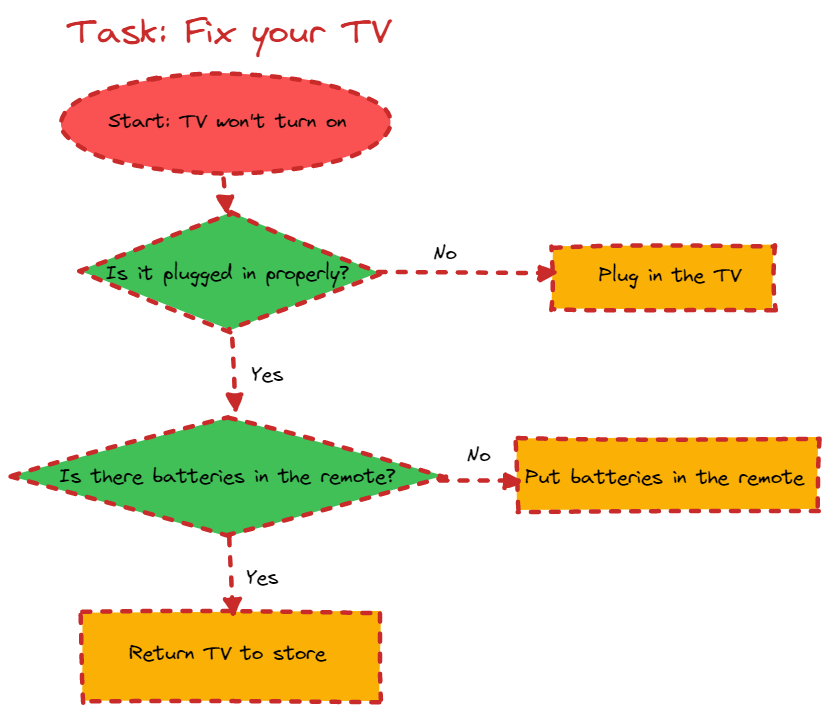
  • The Fundamentals of Algorithms: What Algorithms Are and Why They Matter

    The Fundamentals of Algorithms: What Algorithms Are and Why They Matter

    Written by Alexander Greco

    With the Help of ChatGPT

    Introduction

    Algorithms are the hidden infrastructure of the modern world. From search engines and navigation systems to financial markets, medical diagnostics, and artificial intelligence, algorithms determine how information is processed, decisions are made, and outcomes are produced. Although often associated exclusively with computer programming, algorithms are a much older and broader concept—one rooted in mathematics, logic, and systematic reasoning.

    At their most fundamental level, algorithms define how problems are solved, independent of the machines that execute them. They are the bridge between abstract reasoning and practical computation, allowing ideas to be transformed into repeatable, reliable processes. Understanding algorithms is therefore central not only to computer science, but to engineering, data science, economics, and increasingly, everyday digital literacy.

    This article explores the foundations of algorithms: what they are, where they come from, how they are classified, how they are evaluated, and why they matter in both technical and social contexts.


    1. What Is an Algorithm?

    An algorithm is a finite, well-defined sequence of steps designed to solve a specific problem or perform a computation [1]. The defining characteristic of an algorithm is not the technology used to implement it, but the logical structure of the procedure itself.

    To qualify as an algorithm, a procedure must satisfy several core properties:

    1. Finiteness – The algorithm must terminate after a finite number of steps [2].
    2. Definiteness – Each instruction must be precise and unambiguous.
    3. Input – The algorithm may accept zero or more inputs.
    4. Output – It must produce at least one output.
    5. Effectiveness – Every step must be basic enough to be carried out exactly as described.

    These constraints distinguish algorithms from vague instructions or heuristic guidelines. For example, “cook until done” is not algorithmic, while “bake at 180°C for 40 minutes” is algorithmic because it is explicit and repeatable.


    2. Algorithms Before Computers

    Algorithms predate modern computers by thousands of years. Early civilizations developed systematic procedures for arithmetic, geometry, astronomy, and engineering long before electronic machines existed.

    One of the most famous early examples is the Euclidean algorithm, attributed to Euclid, which computes the greatest common divisor of two integers [3]. Its enduring relevance highlights a key feature of good algorithms: once discovered, they can remain optimal across centuries of technological change.

    Another major historical influence is Muhammad ibn Musa al-Khwarizmi, whose systematic methods for arithmetic and algebra shaped mathematical practice throughout the Islamic Golden Age and later Europe [4]. The term algorithm itself derives from the Latinized form of his name, Algoritmi, reflecting his influence on procedural calculation.

    These early algorithms were executed by humans, not machines, but they already embodied modern principles: abstraction, generality, and formal reasoning.


    3. Algorithms and the Birth of Computer Science

    The emergence of programmable machines in the 20th century transformed algorithms from practical tools into objects of formal study. The question shifted from how to compute to what can be computed at all.

    A foundational contribution came from Alan Turing, whose theoretical model—the Turing machine—defined the limits of algorithmic computation [5]. Turing’s work demonstrated that algorithms are independent of physical machines and instead belong to an abstract domain governed by logic and mathematics.

    Later scholars such as Edsger Dijkstra emphasized correctness, clarity, and provable properties in algorithm design [6], while Donald Knuth systematized algorithm analysis and documentation, treating algorithms as mathematical artifacts worthy of rigorous study [7].

    This intellectual framework established algorithms as the core subject of computer science, distinct from hardware engineering or software implementation.


    4. Algorithmic Thinking

    Algorithmic thinking is the practice of solving problems by expressing solutions as clear, ordered steps that can be executed reliably. It involves several cognitive skills:

    • Decomposition – Breaking complex problems into simpler subproblems
    • Pattern recognition – Identifying recurring structures
    • Abstraction – Ignoring irrelevant details while focusing on essentials
    • Logical sequencing – Ensuring steps follow consistently

    These skills are not limited to programming. Decision-making processes in logistics, finance, medicine, and management often rely on algorithmic reasoning, even when not formalized as code [8].

    As automation expands into more domains, algorithmic thinking is increasingly regarded as a fundamental literacy skill alongside reading and mathematics.


    5. Types of Algorithms

    Algorithms can be classified according to their structure, purpose, or domain of application.

    5.1 Sorting Algorithms

    Sorting algorithms arrange elements into a specific order, such as ascending or descending.

    Common examples include:

    • Bubble Sort
    • Merge Sort
    • Quick Sort

    Although all achieve the same goal, they differ dramatically in efficiency and scalability, illustrating why algorithm choice matters [9].


    5.2 Search Algorithms

    Search algorithms locate specific elements within a dataset.

    Examples include:

    • Linear search
    • Binary search

    Binary search is significantly faster but requires sorted input, demonstrating how algorithm performance depends on assumptions and constraints [10].


    5.3 Graph Algorithms

    Graph algorithms operate on networks of nodes and edges, representing relationships such as roads, communication links, or social connections.

    Applications include:

    • Navigation and routing
    • Network optimization
    • Recommendation systems

    5.4 Recursive Algorithms

    Recursive algorithms solve problems by applying the same procedure to smaller instances of the original problem. While elegant and mathematically expressive, recursion must be carefully controlled to avoid infinite execution or excessive resource use [11].


    6. Algorithm Efficiency and Complexity

    Not all correct algorithms are equally useful. Efficiency determines whether a solution is practical at scale.

    Algorithm analysis focuses on:

    • Time complexity – How execution time grows with input size
    • Space complexity – How memory usage grows with input size

    Big-O notation provides a standardized way to describe these growth rates abstractly [12]. This allows developers and researchers to compare algorithms independent of hardware or implementation language.


    7. Correctness, Reliability, and Robustness

    Algorithm correctness requires that an algorithm produces the correct output for all valid inputs, including edge cases. Formal verification methods and proofs of correctness are especially important in safety-critical systems such as aviation, medical devices, and financial infrastructure [13].

    A robust algorithm also handles unexpected or imperfect inputs gracefully, rather than failing catastrophically.


    8. Algorithms vs Heuristics

    Algorithms guarantee correctness under defined conditions, whereas heuristics trade certainty for speed or simplicity.

    Many real-world problems—such as route optimization, scheduling, or pattern recognition—are computationally infeasible to solve optimally, leading systems to rely on heuristic or approximate algorithms [14]. Modern artificial intelligence often blends deterministic algorithms with probabilistic heuristics.


    9. Algorithms in Everyday Life

    https://storage.googleapis.com/algodailyrandomassets/curriculum/algorithm_tutorial/realworldexample2.png

    Algorithms shape daily experiences in subtle but profound ways:

    • Search engines rank information
    • Social media feeds prioritize content
    • Streaming platforms generate recommendations
    • Compression algorithms reduce storage and bandwidth needs
    https://www.researchgate.net/publication/220827211/figure/fig2/AS%3A394007092973580%401470950019808/Structure-of-a-recommender-system.png

    These systems influence attention, access to information, and even social behavior, raising important ethical and societal questions [15].


    10. Why Algorithms Matter

    Algorithms determine:

    • Efficiency – How well resources are used
    • Scalability – Whether systems function at global scale
    • Fairness – How decisions are weighted and applied
    • Transparency – Whether outcomes can be explained

    As algorithmic systems increasingly mediate economic and social life, understanding their foundations is essential for responsible design and informed public discourse.


    Conclusion

    Algorithms are the logical backbone of computation. Rooted in ancient mathematics and refined through modern computer science, they provide the structured reasoning that enables complex systems to function reliably and at scale. Understanding algorithms equips individuals not only to build software, but to reason critically about the automated systems that increasingly shape modern society.


    References

    1. Cormen, T. H., et al. Introduction to Algorithms. MIT Press.
    2. Sipser, M. Introduction to the Theory of Computation. Cengage.
    3. Euclid. Elements.
    4. Berggren, J. L. Episodes in the Mathematics of Medieval Islam.
    5. Turing, A. M. “On Computable Numbers.” Proceedings of the London Mathematical Society.
    6. Dijkstra, E. W. A Discipline of Programming.
    7. Knuth, D. E. The Art of Computer Programming.
    8. Wing, J. M. “Computational Thinking.” Communications of the ACM.
    9. Sedgewick, R., Wayne, K. Algorithms.
    10. Kleinberg, J., Tardos, É. Algorithm Design.
    11. Skiena, S. The Algorithm Design Manual.
    12. Aho, A., Hopcroft, J., Ullman, J. Data Structures and Algorithms.
    13. Hoare, C. A. R. “An Axiomatic Basis for Computer Programming.”
    14. Russell, S., Norvig, P. Artificial Intelligence: A Modern Approach.
    15. O’Neil, C. Weapons of Math Destruction.

    Further Reading & Learning Resources

    Books

    • Knuth – The Art of Computer Programming
    • Skiena – The Algorithm Design Manual

    Online Courses

    • MIT OpenCourseWare – Algorithms
    • Coursera / Stanford Algorithms

    Interactive Tools

    • VisuAlgo
    • Algorithm Visualizer

    Academic Journals

    • Communications of the ACM
    • Journal of Algorithms
  • Training for High Strength-to-Weight Ratios

    Training for High Strength-to-Weight Ratios

    Written by Alexander Chriatian Greco

    With the Help of ChatGPT

    Exercises, Methods, and Principles for Maximizing Relative Strength

    https://www.primalstrength.com/cdn/shop/articles/Anna_blog_header.png?v=1721915556

    Abstract

    Strength-to-weight ratio—often called relative strength—is a key metric in biomechanics, sports science, and functional human performance. It measures the amount of force an individual can generate relative to their body mass. Unlike absolute strength, which prioritizes total load lifted, relative strength emphasizes efficiency, neuromuscular coordination, and force production without excessive mass gain [1][2].

    https://www.mpcalisthenics.com/wp-content/uploads/2015/06/Featured-Picture.png

    High strength-to-weight ratios are essential in disciplines such as gymnastics, rock climbing, parkour, sprinting, martial arts, calisthenics, Olympic weightlifting (lighter weight classes), and military or tactical performance contexts [3]. This article explores the physiological foundations, exercise selection, and programming strategies that specifically optimize strength-to-weight ratio, focusing on neural adaptation, tendon efficiency, and high-tension training rather than hypertrophy-oriented methods.


    1. Understanding Strength-to-Weight Ratio

    Strength-to-weight ratio (SWR) is typically expressed as:

    Force output ÷ body mass

    This force output may be measured as:

    • One-rep maximum (1RM)
    • Peak force production
    • Power output
    • Ability to perform advanced bodyweight movements

    An athlete improves SWR by:

    1. Increasing force output without gaining mass
    2. Reducing non-functional body mass while maintaining strength
    3. Improving neuromuscular efficiency and coordination

    Elite performers in high-SWR sports consistently show high neural drive, efficient muscle architecture, and superior tendon stiffness, rather than extreme muscle size [4].


    2. Physiological Foundations of Relative Strength

    2.1 Neural Adaptation vs. Hypertrophy

    Strength gains occur through two primary mechanisms:

    • Neural adaptations (early and efficiency-based)
    • Muscle hypertrophy (structural growth)

    Relative strength training emphasizes neural mechanisms such as:

    • Increased motor unit recruitment
    • Higher firing frequency
    • Improved inter- and intramuscular coordination [5]

    Research consistently shows that low-rep, high-intensity training increases strength disproportionately to muscle size, making it ideal for SWR development [6].

    2.2 Muscle Fiber Type and Architecture

    Type II (fast-twitch) muscle fibers produce more force per cross-sectional area than Type I fibers [7]. Training styles that favor:

    • High tension
    • Short time under load
    • Explosive intent

    preferentially develop these fibers without excessive hypertrophy.


    3. Bodyweight Exercises for Maximum Relative Strength

    https://images.squarespace-cdn.com/content/v1/5eaa851bc7b0ae39a020ea32/d6107c37-d1d1-4fbc-8c13-5d556bd248b8/One%2Barm%2Bpull-up%2Bgrips%2B%281%29.jpg

    4

    Bodyweight training is one of the most effective tools for relative strength because resistance scales naturally with body mass, reinforcing efficient force production [8].

    3.1 Upper-Body Push Movements

    • Planche progressions
      Extreme shoulder and core strength with minimal hypertrophy
    • Strict handstand push-ups
      High neural demand and full-body tension
    • Ring dips (controlled depth)
      Increased stabilizer activation and joint integrity

    These movements demand maximal force relative to body weight, particularly in unstable or lever-based positions.

    3.2 Upper-Body Pull Movements

    • One-arm pull-up progressions
    • Front lever holds and raises
    • Weighted pull-ups (low volume)

    These exercises strongly activate the latissimus dorsi, scapular stabilizers, and core while maintaining a favorable strength-to-mass ratio [9].

    3.3 Lower-Body Bodyweight Strength

    • Pistol squats
    • Shrimp squats
    • Nordic hamstring curls

    Unilateral lower-body movements increase force per limb without requiring heavy external loads, reducing hypertrophy risk while improving neural efficiency [10].


    4. Barbell and External Load Training (Minimalist Use)

    https://barbend.com/wp-content/uploads/2017/05/shutterstock_299327024-1.jpg

    While bodyweight training is foundational, selective barbell use can further enhance maximal force production.

    4.1 High-Value Barbell Exercises

    • Deadlifts (1–5 reps)
    • Strict overhead press
    • Power cleans and clean pulls

    These movements recruit large motor units and improve peak force output with relatively low volume, minimizing mass gain [11].

    https://www.semisportmed.com/wp-content/uploads/2018/01/free_weight_exercises_hang-clean.jpg

    4.2 Managing Load to Avoid Excess Hypertrophy

    Best practices include:

    • Low repetitions
    • Long rest intervals (3–5 minutes)
    • Limited accessory volume
    • Emphasis on speed and intent rather than fatigue

    5. Isometric Training and Strength Density

    https://strengthclimbing.com/wp-content/uploads/2019/04/eva_lopez_maxhangs_hangboard_climbing_strength_training_p-e1581628395408.jpg

    Isometric training produces exceptionally high force outputs with minimal muscle growth stimulus [12].

    5.1 Types of Isometrics

    • Yielding isometrics (holding positions)
    • Overcoming isometrics (pushing against immovable resistance)
    • Angle-specific isometrics

    Examples include:

    • Planche leans
    • Mid-thigh pulls against pins
    • Fingerboard hangs (climbing)

    These methods increase tendon stiffness, motor unit synchronization, and joint resilience [13].


    6. Explosive and Plyometric Training

    https://betterme.world/articles/wp-content/uploads/2022/10/shutterstock_1789459238-1378x920.jpg

    Explosiveness is a direct expression of relative strength.

    6.1 Effective Plyometric Exercises

    • Depth jumps
    • Broad jumps
    • Single-leg bounds
    • Medicine ball throws
    https://seancochran.com/wp-content/uploads/2014/05/Medicine-Ball-Power-Drop.jpg

    Plyometrics improve rate of force development (RFD), allowing athletes to express strength rapidly without increasing mass [14].


    https://foreverfitscience.com/wp-content/uploads/2018/09/Acceleration-infographic-by-Flynn-Slattery.png

    7. Grip, Tendons, and Connective Tissue

    https://trainingforclimbing.com/wp-content/uploads/2016/01/vadim2.jpg

    Grip and tendon strength often limit real-world force expression more than muscle size.

    Key Movements

    • Towel pull-ups
    • Farmer’s carries (short, heavy)
    • Fingerboard hangs
    • Wrist isometrics

    Stronger tendons transmit force more efficiently, improving SWR without adding mass [15].

    https://rosstraining.com/images/towel_pullups.jpg

    8. Programming for Optimal Strength-to-Weight Ratio

    Sample Weekly Structure

    Day 1 – Max Strength (Pull)

    • Low-rep pulls
    • Isometric core
    • Grip training

    Day 2 – Explosive Power

    • Plyometrics
    • Sprint or jump work
    • Light skill practice

    Day 3 – Push Strength & Isometrics

    • Overhead or ring pushing
    • Static holds
    • Mobility

    Volume Guidelines

    • 6–12 high-quality sets per muscle group weekly
    • Reps: 1–5
    • Isometrics: 5–15 seconds
    • Full recovery between sets

    9. Nutrition and Body Mass Management

    To improve SWR:

    • Maintain caloric balance or slight deficit
    • Prioritize protein intake
    • Avoid excessive bulking phases
    • Support connective tissue health (vitamin C, collagen, minerals)

    Strength developed without surplus calories favors neural efficiency over hypertrophy [16].


    10. Sports That Prioritize Strength-to-Weight Ratios

    High SWR is central to:

    • Gymnastics
    • Rock climbing
    • Parkour
    • Martial arts
    • Olympic weightlifting (lighter classes)
    • Sprinting and jumping events

    These sports reward force efficiency, coordination, and movement mastery, not mass alone [17].


    Conclusion

    Training for a high strength-to-weight ratio requires a deliberate shift away from traditional size-focused fitness models. By emphasizing neural adaptation, isometrics, explosive movements, and precise exercise selection, athletes can achieve exceptional strength without unnecessary body mass.

    Relative strength represents human movement efficiency at its highest level. Whether the goal is athletic performance, functional capability, or mastery of one’s own body, optimizing strength-to-weight ratio is among the most powerful training objectives available.


    References

    1. Enoka, R. M. (2008). Neuromechanics of Human Movement. Human Kinetics.
    2. Zatsiorsky, V. M., & Kraemer, W. J. (2006). Science and Practice of Strength Training.
    3. McArdle, W., Katch, F., & Katch, V. (2015). Exercise Physiology.
    4. Folland, J. P., & Williams, A. G. (2007). The adaptations to strength training. Sports Medicine.
    5. Sale, D. G. (1988). Neural adaptation to resistance training. Medicine & Science in Sports & Exercise.
    6. Schoenfeld, B. J. (2010). The mechanisms of muscle hypertrophy. Strength and Conditioning Journal.
    7. Fry, A. C. (2004). The role of resistance exercise intensity. Journal of Strength and Conditioning Research.
    8. Behm, D. G., & Sale, D. G. (1993). Velocity specificity. Journal of Applied Physiology.
    9. Vigotsky, A. D., et al. (2018). Interpreting strength-training research. Sports Medicine.
    10. Bourne, M. N., et al. (2017). Nordic hamstring exercise. British Journal of Sports Medicine.
    11. Suchomel, T. J., et al. (2016). Power development. Strength & Conditioning Journal.
    12. Oranchuk, D. J., et al. (2019). Isometric training effects. Sports Medicine.
    13. Kubo, K., et al. (2001). Tendon elasticity. Journal of Applied Physiology.
    14. Markovic, G., & Mikulic, P. (2010). Plyometric training. Sports Medicine.
    15. Magnusson, S. P., et al. (2008). Tendon adaptation. Journal of Physiology.
    16. Helms, E. R., et al. (2014). Nutrition for strength athletes. Journal of the International Society of Sports Nutrition.
    17. Bompa, T., & Buzzichelli, C. (2019). Periodization Training for Sports.

    Further Reading & Learning Resources

    Books

    • Overcoming Gravity – Steven Low
    • Science and Practice of Strength Training – Zatsiorsky & Kraemer
    • Becoming a Supple Leopard – Kelly Starrett

    Journals

    • Sports Medicine
    • Journal of Strength and Conditioning Research
    • British Journal of Sports Medicine

    Applied Resources

    • USA Weightlifting coaching materials
    • IFSC (International Federation of Sport Climbing) training resources
    • Gymnastics strength-conditioning manuals
  • The Basics of Interactive Content Creation

    The Basics of Interactive Content Creation

    Written by Alexander Christian Greco

    With the Help of ChatGPT

    A foundational guide to participatory media, tools, design principles, and pathways for creators


    Abstract

    Interactive content creation represents a fundamental shift in how information, stories, and experiences are designed and consumed in the digital age. Unlike static or linear media, interactive content invites audiences to actively participate—through choice, manipulation, exploration, and feedback—transforming users from passive observers into engaged contributors. This article provides a foundational overview of interactive content creation, covering its conceptual origins, core formats, design principles, technical underpinnings, tools, industry applications, required skills, and common challenges. The goal is to establish a clear baseline understanding for beginners while situating interactive content within broader trends in media, education, business, and digital culture.


    Disclosure

    This article was generated with the assistance of AI (ChatGPT) as a drafting and structuring tool and subsequently curated for educational and informational purposes. Readers are encouraged to verify sources independently and explore the referenced materials for deeper study.


    1. Introduction: What Is Interactive Content?

    Interactive content refers to media experiences that require active participation from the audience, rather than passive consumption. Unlike traditional formats—such as static articles, linear videos, or broadcast media—interactive content responds dynamically to user input, adapts to decisions, and often produces different outcomes based on engagement patterns [1].

    At its core, interactive content transforms the audience from viewer to participant. This shift reflects broader changes in digital culture, including the rise of participatory media, human–computer interaction research, and user-centered design methodologies [2]. Modern audiences increasingly expect to click, choose, explore, customize, and co-create rather than simply watch or read.

    Interactive content now appears across education, marketing, entertainment, journalism, gaming, training, healthcare, and digital art. Examples include quizzes, simulations, interactive videos, decision-based narratives, virtual tours, games, live polls, data visualizations, and immersive virtual or augmented reality experiences [3].

    Understanding the basics of interactive content creation is less about mastering a single tool and more about learning how systems respond to people—how design, logic, technology, and psychology intersect to create meaningful engagement.


    2. Why Interactive Content Matters

    https://www.i3-technologies.com/media/yqqkblqy/21090301rep0017-1.jpg

    2.1 Engagement and Retention

    Decades of educational and cognitive research suggest that people retain more information when they actively engage with material, rather than passively consuming it [4]. Interactive content leverages this principle by requiring users to make decisions, test ideas, and respond to feedback.

    Clicking, choosing, experimenting, and receiving immediate responses strengthens memory encoding and conceptual understanding. As a result, interactive formats are widely used in digital learning platforms, corporate training environments, and instructional simulations.

    2.2 Agency and Personalization

    Interactive content provides users with agency, defined as the perception that one’s actions meaningfully influence outcomes [5]. Even simple forms of choice—such as selecting a narrative path or adjusting parameters in a model—can significantly increase emotional investment and motivation.

    Personalization, often driven by user inputs or behavioral data, further enhances engagement by tailoring experiences to individual needs, preferences, or skill levels [6].

    2.3 Feedback Loops

    Unlike static media, interactive systems are built around feedback loops, where user actions generate responses that inform subsequent decisions. Feedback may be visual, auditory, textual, or systemic and is central to learning, gaming, and skill acquisition [7].

    2.4 Data and Adaptation

    From a creator or organizational perspective, interactive content generates behavioral data, offering insight into how users navigate information, where they struggle, and what captures attention. These insights enable iterative improvement and adaptive system design [8].


    3. Core Types of Interactive Content

    Interactive content encompasses a broad spectrum of formats, each suited to different goals and audiences.

    3.1 Interactive Text and Articles

    These include:

    • Click-to-reveal explanations
    • Branching narratives and hypertext fiction
    • Embedded decision points or reflective prompts

    Interactive text formats are common in education, digital journalism, and narrative experimentation, where reader choice influences structure or emphasis [9].

    3.2 Quizzes, Polls, and Assessments

    Widely used in marketing, education, and social media, quizzes and polls:

    • Encourage rapid engagement
    • Provide immediate feedback
    • Enable segmentation or personalization

    Their accessibility and low technical barrier make them ideal entry points for new creators [10].

    3.3 Interactive Video

    Interactive video allows viewers to:

    • Choose story branches
    • Click on embedded elements
    • Control pacing or perspective

    This format merges cinematic storytelling with decision-based logic, often used in entertainment, advertising, and training [11].

    3.4 Simulations and Models

    Simulations enable users to manipulate variables and observe outcomes, supporting systems thinking and experiential learning. Common applications include scientific modeling, economic forecasting, medical training, and environmental education [12].

    3.5 Games and Gamified Experiences

    Games represent one of the most sophisticated forms of interactive content, integrating:

    • Rules and mechanics
    • Goals and challenges
    • Feedback and progression systems

    Gamification applies these elements to non-game contexts such as education, productivity, and marketing [13].

    3.6 Immersive Experiences (VR/AR)

    Virtual and augmented reality introduce spatial interaction, where users move, look, and act within digital environments. These experiences are especially powerful for training, empathy-building, and immersive storytelling [14].


    4. Foundational Principles of Interactive Design

    https://www.fico.com/fico-xpress-optimization/docs/dms2018-01/insight_web/GUID-805AE6E8-667B-445A-B967-F92B6585676D-low.png

    4.1 Clear Interaction Rules

    Users must quickly understand:

    • What actions are possible
    • How to perform them
    • What outcomes to expect

    Ambiguity in interaction design reduces trust and engagement [15].

    4.2 Feedback and Responsiveness

    Every action should produce a perceptible response, reinforcing the sense of cause and effect. Effective feedback sustains immersion and guides learning [16].

    4.3 Progressive Complexity

    Successful interactive experiences introduce complexity gradually, aligning with cognitive load theory and scaffolding approaches in education [17].

    4.4 Meaningful Choice

    Choices should influence outcomes in visible or consequential ways. Superficial or inconsequential decisions weaken perceived agency [18].

    4.5 Accessibility and Inclusion

    Inclusive interactive design considers:

    • Assistive technologies
    • Input alternatives
    • Visual and cognitive accessibility

    Accessible design improves usability for all users, not only those with disabilities [19].


    5. The Technical Foundations (High-Level Overview)

    https://www.scnsoft.com/blog-pictures/ui-ux/interactive-design.png

    5.1 Logic and State

    Interactive systems rely on conditional logic and state management:

    • Variables store user choices
    • States represent progression
    • Rules determine outcomes

    These concepts underpin both simple web interactions and complex simulations [20].

    5.2 Front-End Interaction

    On the web, interaction is commonly implemented through:

    • HTML (structure)
    • CSS (presentation and transitions)
    • JavaScript (logic and behavior)

    Together, these technologies define how users interact with digital content [21].

    https://northamptonopenmedia.org/wp-content/uploads/2017/03/Xenko_Editor.jpg

    5.3 Engines and Platforms

    More complex interactive systems often use engines such as Unity or Unreal Engine, which abstract low-level technical details and support rapid development of interactive environments [22].

    5.4 Data and Persistence

    Many interactive experiences store progress, preferences, or analytics using local storage, databases, or cloud services, enabling continuity and personalization [23].


    6. Tools Commonly Used in Interactive Content Creation

    https://images.ctfassets.net/lzny33ho1g45/7LKlffAtwg6fffVyIw58pa/43f072b08dd40152693dab7caf6846ee/image3.png

    Tools vary widely, but generally fall into:

    • No-code/low-code platforms
    • Web frameworks
    • Game engines
    • Prototyping and UX design tools

    Tool selection depends on goals, scale, and technical expertise [24].


    7. Interactive Content Across Industries

    https://dashthis.com/media/4150/data-visualization-dashboard.png

    Interactive content is now embedded across sectors:

    • Education: adaptive learning and simulations
    • Marketing: personalized campaigns and engagement tools
    • Journalism: interactive data storytelling
    • Entertainment: games and immersive narratives

    Its versatility makes it a foundational digital skill [25].


    8. Skills Needed to Get Started

    https://figures.semanticscholar.org/8dcfa7a52be773dca0861fd0733cf1b3882d90d7/4-Figure1-1.png

    Key skills include:

    • Design thinking
    • Logical reasoning
    • Storytelling
    • Technical literacy
    • Testing and iteration

    Interactive content creation is inherently interdisciplinary and collaborative [26].


    9. Common Challenges and Pitfalls

    Common issues include:

    • Over-complexity
    • Unclear goals
    • Weak feedback
    • Technical overreach

    Successful projects emphasize simplicity, testing, and iteration [27].


    10. Getting Started: A Practical Path Forward

    https://assets.visme.co/templates/blockinfographics/fullsize/i_Interactive-Small-Business-Project-Timeline_full.jpg

    4

    A recommended beginner pathway:

    1. Start small
    2. Focus on one interaction
    3. Prototype early
    4. Test with users
    5. Iterate continuously

    Conclusion

    Interactive content creation represents a shift from linear communication to dialogue-driven, system-based experiences. As digital environments become more participatory, understanding interactivity is increasingly essential for creators across disciplines. Mastering the basics opens doors to education, design, storytelling, technology, and future-facing creative industries.


    References

    1. Manovich, L. (2001). The Language of New Media. MIT Press.
    2. Norman, D. (2013). The Design of Everyday Things. Basic Books.
    3. Murray, J. (1997). Hamlet on the Holodeck. MIT Press.
    4. Bransford, J. et al. (2000). How People Learn. National Academies Press.
    5. Bandura, A. (1982). Self-efficacy mechanism in human agency. American Psychologist.
    6. Shneiderman, B. (2022). Human-Centered AI. Oxford University Press.
    7. Gee, J. P. (2003). What Video Games Have to Teach Us About Learning. Palgrave.
    8. Nielsen, J. (1993). Usability Engineering. Morgan Kaufmann.
    9. Landow, G. (2006). Hypertext 3.0. Johns Hopkins University Press.
    10. Kahoot! Research Library.
    11. Netflix Interactive Media Studies.
    12. Sterman, J. (2000). Business Dynamics. McGraw-Hill.
    13. Deterding, S. et al. (2011). Gamification research.
    14. Slater, M. (2018). Immersion and presence in VR.
    15. ISO 9241 Human–Computer Interaction Standards.
    16. Skinner, B. F. (1958). Teaching machines.
    17. Sweller, J. (1988). Cognitive load theory.
    18. Ryan, R. & Deci, E. (2000). Intrinsic motivation.
    19. W3C Web Content Accessibility Guidelines (WCAG).
    20. Russell, S. & Norvig, P. (2021). Artificial Intelligence.
    21. Mozilla Developer Network (MDN).
    22. Unity & Unreal official documentation.
    23. O’Reilly Web Architecture Guides.
    24. IDEO Design Thinking Toolkit.
    25. OECD Digital Education Reports.
    26. Salen, K. & Zimmerman, E. (2004). Rules of Play.
    27. Krug, S. (2014). Don’t Make Me Think.

    Further Reading & Exploration

    Books

    • The Art of Game Design – Jesse Schell
    • Interactive Storytelling – Chris Crawford

    Online Resources

    • Mozilla MDN Web Docs
    • Unity Learn
    • Unreal Online Learning

    Journals & Media

    • Journal of Interactive Media in Education
    • GDC (Game Developers Conference) talks
    • UX Collective (Medium)
  • Gardening Skills Fundamentals

    Gardening Skills Fundamentals

    Written by Alexander Christian Greco

    With the Help of ChatGPT

    How to Start Gardening and Small-Scale Farming: Planting, Growing, and Harvesting

    https://www.marthastewart.com/thmb/kueHecJM0UT-5Z-vwF7ErbtxSac%3D/1500x0/filters%3Ano_upscale%28%29%3Amax_bytes%28150000%29%3Astrip_icc%28%29/ms-vegetable-garden-ideas-9d529572761740f1b8b0234ac9bc2207.jpg

    Introduction

    Gardening represents one of humanity’s oldest and most enduring relationships with the natural world. Long before industrial agriculture, food production depended on small-scale cultivation, seasonal knowledge, and intimate familiarity with soil and climate. Today, gardening remains both a practical skill and an educational gateway into broader agricultural systems, sustainability, and ecological literacy.

    https://joegardener.com/wp-content/uploads/2018/03/Featured-Image.jpg

    For beginners, gardening can appear deceptively simple—plant seeds, water them, and wait. In practice, successful gardening depends on understanding biological cycles, soil systems, plant needs, and environmental variables (Hartmann et al., 2018). Small-scale gardening and farming emphasize knowledge density rather than land area, making skill development far more important than physical scale (FAO, 2022).

    This article develops the foundational gardening skills required to begin gardening or small-scale farming. It focuses on the three central phases of plant production—planting, growing, and harvesting—beginning with a high-level systems overview and progressing toward practical, small-scale applications.

    https://kellogggarden.com/wp-content/uploads/2020/03/Community-Vegetable-Garden.jpg

    Part I: The Gardening Lifecycle – A Systems Overview

    https://media.geeksforgeeks.org/wp-content/uploads/20240328111848/Diagram-of-Seed-Germination.png

    All gardening systems, regardless of scale or technology, follow a predictable biological lifecycle. Understanding this lifecycle allows gardeners to anticipate needs, prevent problems, and optimize yield rather than reacting to issues after they occur (Raven, Evert, & Eichhorn, 2013).

    The Five Core Phases

    1. Preparation – soil conditioning, planning, and plant selection
    2. Planting – introducing seeds or transplants into the soil
    3. Growth and Maintenance – supporting vegetative and reproductive development
    4. Harvesting – removing crops at optimal maturity
    5. Soil Recovery – restoring fertility and structure for future cycles

    Small-scale gardening allows individuals to observe these phases directly and repeatedly, accelerating learning compared to industrial-scale systems where processes are abstracted and mechanized (Pretty, 2018).


    Part II: Core Gardening Skills — The Foundations

    https://cdn.shopify.com/s/files/1/2954/2248/files/Interpreting-Your-Results_1200x.png?v=1758286320

    Soil: The Primary Medium of Life

    Soil is a living ecosystem, not an inert substrate. Productive soil contains mineral particles, organic matter, water, air, and diverse microbial communities that regulate nutrient availability and root health (Brady & Weil, 2017).

    Common Soil Types

    • Sandy soils drain quickly but lose nutrients rapidly
    • Clay soils retain nutrients but restrict drainage and root growth
    • Loamy soils balance drainage, fertility, and structure

    Most small-scale gardeners improve existing soil rather than replacing it entirely, using compost, mulching, and reduced tillage to build fertility over time (Montgomery, 2017).

    Composting as a Soil Skill

    Composting recycles organic waste into biologically active fertilizer. Backyard compost systems convert kitchen scraps, leaves, and plant residues into humus, improving soil structure and nutrient cycling (EPA, 2023).

    Benefits include:

    • Increased water retention
    • Improved microbial diversity
    • Reduced reliance on synthetic fertilizers

    Sunlight and Microclimates

    Photosynthesis drives all plant growth. Most vegetables require 6–8 hours of direct sunlight daily, though leafy greens tolerate partial shade (Brickell et al., 2016).

    Small-scale gardeners benefit from identifying microclimates—areas where walls, slopes, or trees alter temperature, wind, or sunlight exposure—allowing better crop placement.

    Water Management Principles

    Water stress is a leading cause of poor yields. Effective watering emphasizes:

    • Deep, infrequent watering to promote root depth
    • Early-day watering to reduce fungal disease
    • Adjustments based on soil type and weather

    Understanding soil moisture is more important than rigid schedules (Horticultural Society, 2020).


    Part III: Planting Skills — Translating Plans into Growth

    https://www.thespruce.com/thmb/R54l2XLs0d5xagi3WP_mYNMgwK4%3D/4500x0/filters%3Ano_upscale%28%29%3Amax_bytes%28150000%29%3Astrip_icc%28%29/how-to-direct-sow-garden-seeds-2539874-hero-32074607f4f94af9a5260980f98280c6.jpg

    Crop Selection for Beginners

    Successful early gardens prioritize crops that are:

    • Fast-growing (radishes, lettuce)
    • Hardy (beans, peas, potatoes)
    • High-yield relative to space (zucchini, tomatoes)
    https://cdn.shopify.com/s/files/1/0089/1562/files/SeedsNow_Organic_Gardening_Ebook-2_775998fc-c5b3-4cd1-804c-36388dabbe1c.jpg?v=1549589691

    Local climate suitability matters more than novelty or popularity (FAO, 2022).

    Seeds vs. Transplants

    Seeds offer affordability and genetic diversity but require patience and proper conditions.
    Transplants reduce early-stage risk and shorten time to harvest but increase cost.

    Many small-scale gardeners use a hybrid approach to balance reliability and learning.

    Planting Depth and Spacing

    Incorrect spacing is a frequent beginner error. Overcrowding increases disease pressure and reduces yields by forcing plants to compete for light, water, and nutrients (Hartmann et al., 2018).

    General guidelines:

    • Plant seeds 2–3× their size in depth
    • Follow spacing recommendations for mature plant size
    https://www.botanicalinterests.com/community/blog/wp-content/uploads/2025/03/A-shot-of-a-person-inspecting-nursery-pots.jpg

    Seasonal Timing

    Understanding frost dates and temperature thresholds is essential. Crops fall broadly into:

    • Cool-season crops (spinach, peas, brassicas)
    • Warm-season crops (tomatoes, peppers, squash)

    Planting too early or too late can severely limit success.


    Part IV: Growing Skills — Maintaining Healthy Systems

    https://cdn.shopify.com/s/files/1/0603/4892/4151/files/2012-07-07-Life-Sty-Tuscaloosa_016-Edit-1.jpg

    Plant Nutrition Fundamentals

    Plants require macronutrients—nitrogen, phosphorus, potassium—and micronutrients in smaller quantities. Small-scale gardeners often meet these needs through:

    • Compost
    • Manure
    • Organic fertilizers
    • Crop rotation

    Excess fertilization can damage soil biology and plant health, making restraint a key skill (Brady & Weil, 2017).

    Pest and Disease Management

    Gardens are ecosystems, not sterile environments. Pest presence does not automatically require intervention. Effective strategies include:

    • Routine inspection
    • Encouraging beneficial insects
    • Crop diversity
    • Physical barriers
    https://cdn.shopify.com/s/files/1/0603/4892/4151/files/tomato-diagram-2_crop_web.jpg

    Early detection prevents escalation and reduces chemical dependency (Pretty, 2018).

    Pruning and Structural Support

    Certain crops benefit from training and pruning:

    • Tomatoes require staking or caging
    • Vines benefit from trellising
    • Removing diseased foliage improves airflow

    These techniques improve yield quality and reduce disease pressure.


    Part V: Harvesting Skills — Timing and Technique

    https://www.botanicalinterests.com/community/blog/wp-content/uploads/2024/08/tomatoes-late-season-harvesting-and-storage-techniques.jpg

    Recognizing Harvest Readiness

    Harvest timing affects flavor, nutrition, and productivity. Indicators vary by crop:

    • Leafy greens are harvested young
    • Fruits should reach full color and firmness
    • Roots are harvested based on size

    Regular harvesting often stimulates continued production.

    Harvesting Methods

    Use clean tools and gentle handling. Improper harvesting can damage plants and reduce future yields, particularly in cut-and-come-again crops like lettuce and herbs.

    Post-Harvest Handling

    Even small-scale gardeners benefit from basic post-harvest practices:

    • Washing produce correctly
    • Cooling or refrigerating when appropriate
    • Preserving excess through freezing or drying

    These practices extend food usability and reduce waste.


    Part VI: Small-Scale Gardening and Farming Considerations

    https://lowimpactorg.onyx-sites.io/wp-content/uploads/urban4.jpg

    Space Optimization

    Small-scale systems emphasize efficiency:

    • Raised beds improve soil control
    • Vertical gardening maximizes area
    • Containers enable urban participation

    Intensive planning compensates for limited land availability.

    https://lovelygreens.com/wp-content/uploads/2018/10/design-garden-layout.jpg

    Essential Tools

    Basic tools are sufficient:

    • Hand trowel
    • Pruners
    • Hoe
    • Watering system

    Skill and observation outweigh equipment quality at this scale.

    Learning Through Observation

    Small-scale gardeners gain a unique advantage: daily interaction with plants. Observing changes in leaf color, growth rate, and soil moisture develops intuition that formal instruction alone cannot provide (Montgomery, 2017).


    Conclusion

    Gardening is not a shortcut to food production—it is a learned skill grounded in biology, ecology, and seasonal awareness. Small-scale gardening rewards patience, observation, and incremental improvement. By mastering soil health, planting fundamentals, growth maintenance, and harvesting techniques, beginners build a resilient foundation that can expand into homesteading, market gardening, or lifelong self-sufficiency.

    Gardening ultimately teaches systems thinking: how inputs, timing, and environment interact. These lessons extend well beyond the garden, reinforcing sustainability, responsibility, and long-term planning.


    References

    Brady, N. C., & Weil, R. R. (2017). The nature and properties of soils (15th ed.). Pearson.

    Brickell, C., et al. (2016). RHS A–Z encyclopedia of garden plants. Dorling Kindersley.

    EPA. (2023). Composting at home. United States Environmental Protection Agency.

    FAO. (2022). Small-scale agriculture and food security. Food and Agriculture Organization of the United Nations.

    Hartmann, H. T., Kester, D. E., Davies, F. T., & Geneve, R. L. (2018). Plant propagation: Principles and practices. Pearson.

    Montgomery, D. R. (2017). Growing a revolution: Bringing our soil back to life. W. W. Norton & Company.

    Pretty, J. (2018). Sustainable intensification of agriculture. Routledge.

    Raven, P. H., Evert, R. F., & Eichhorn, S. E. (2013). Biology of plants (8th ed.). W.H. Freeman.


    Further Reading

    • Royal Horticultural Society – Beginner Gardening Guides
    • FAO Home Gardening Manuals
    • USDA Cooperative Extension Gardening Resources
    • The Vegetable Gardener’s Bible by Edward C. Smith
    • Gaia’s Garden by Toby Hemenway
  • Contemporary Technology Utilised for Small Businesses Across the Four Economic Sectors

    Contemporary Technology Utilised for Small Businesses Across the Four Economic Sectors

    Written by Alexander Christian Greco

    With the Help of ChatGPT

    Abstract

    Contemporary technology is fundamentally reshaping how small businesses operate across every sector of the economy. Unlike previous technological revolutions that disproportionately benefited large enterprises, today’s tools—cloud software, mobile platforms, embedded artificial intelligence (AI), low-cost sensors, and digital payment systems—are increasingly designed with small business constraints in mind. This article examines how modern technology is being applied by small businesses across the four-sector economic model: Primary (raw material extraction), Secondary (manufacturing and construction), Tertiary (services), and Quaternary (knowledge and information). By grounding the discussion in real operational use cases, this article demonstrates how technology is shifting small businesses from reactive, labor-intensive models toward data-informed, scalable, and resilient operations.


    Disclosure

    This article was drafted with the assistance of an AI language model (ChatGPT). It is intended for educational and informational purposes only. Readers should verify regulatory, financial, technical, and legal considerations with qualified professionals before implementing any technologies discussed.


    Table of Contents

    1. Introduction: What Contemporary Small-Business Technology Means Today
    2. Cross-Sector Technological Shifts Affecting All Small Businesses
    3. Primary Sector: Agriculture, Mining, and Fishing
    4. Secondary Sector: Manufacturing and Construction
    5. Tertiary Sector: Retail, Healthcare, Hospitality, Finance, and Transportation
    6. Quaternary Sector: Knowledge, IT, Education, and R&D
    7. Strategic Technology Adoption for Small Business Owners
    8. Risks, Constraints, and Governance Considerations
    9. Conclusion: The Small-Business Technological Advantage
    10. Further Reading
    11. References

    1. Introduction: What Contemporary Small-Business Technology Means Today

    In the mid-20th century, advanced business technology was largely inaccessible to small firms due to capital costs, infrastructure requirements, and specialist labor needs. In contrast, contemporary technology is defined by low upfront cost, subscription pricing, modular design, and cloud delivery, allowing even micro-businesses to deploy tools once reserved for enterprises.

    Today’s small-business technology ecosystem is characterized by four core attributes:

    1. Cloud-first software (Software-as-a-Service) that eliminates on-premise infrastructure [1].
    2. Mobile-centric workflows, enabling real-time operations in the field rather than behind a desk [2].
    3. Embedded artificial intelligence, increasingly integrated into accounting, marketing, CRM, and analytics platforms [1][3].
    4. Physical-to-digital data capture, including sensors, scanners, GPS, cameras, and Internet-of-Things (IoT) devices [4].

    The result is a fundamental shift: small business owners are no longer forced to choose between affordability and capability. Instead, they are tasked with choosing which capabilities matter most to their specific bottlenecks.


    2. Cross-Sector Technological Shifts Affecting All Small Businesses

    2.1 AI as an Embedded Operational Assistant

    Rather than existing as standalone tools, AI systems are now embedded into everyday business software—drafting emails, categorizing transactions, generating marketing content, summarizing meetings, and identifying trends in operational data [1][3]. For small businesses, this translates into time compression, allowing owners to reclaim hours previously lost to administrative overhead.

    Importantly, AI adoption in small businesses is primarily augmentative, not autonomous. Most firms deploy AI in a “human-in-the-loop” configuration, where outputs are reviewed before execution [5].

    2.2 Cybersecurity as a Baseline Cost

    As small businesses digitize operations, their attack surface expands. Reports from the World Economic Forum and Google Cloud consistently show that small organizations face disproportionate cyber risk due to limited security staffing and training [6][7]. Consequently, cybersecurity is no longer optional or “insurance-like”; it is an operational prerequisite.

    2.3 Convergence of Payments, Commerce, and Operations

    Modern point-of-sale systems increasingly function as business operating systems, integrating payments, inventory, customer management, analytics, and online commerce [8][9]. This convergence reduces tool fragmentation and simplifies management for small teams.


    3. Primary Sector: Agriculture, Mining, and Fishing

    https://media.licdn.com/dms/image/v2/D5612AQG6Rb_DhL5cAg/article-cover_image-shrink_600_2000/article-cover_image-shrink_600_2000/0/1708009028937?e=2147483647&t=B-QJ2KEmKH-2khU0hSP2D-eRNrkj5FtMrQLmc0-EkHM&v=beta

    3.1 Agriculture: Precision Tools for Small Farms

    Precision agriculture—once the domain of industrial farms—is increasingly accessible to small operators due to declining sensor costs and cloud analytics [10]. Tools such as soil moisture sensors, GPS guidance systems, and drone imaging allow farmers to apply inputs (water, fertilizer, labor) with far greater accuracy [11].

    Government and academic reviews show that precision agriculture can improve yield consistency while reducing environmental impact, particularly when applied incrementally rather than as a full-system overhaul [12].

    3.2 Mining and Resource Extraction

    Small mining contractors and exploration firms increasingly rely on fleet telematics, digital safety compliance platforms, and mobile inspection tools. These technologies enhance regulatory compliance, reduce downtime, and improve worker safety without requiring large IT departments [13].

    3.3 Fishing and Aquaculture

    Digital catch reporting, temperature monitoring, and traceability systems enable small fishing businesses to meet regulatory requirements while differentiating products through verified quality and provenance [14]. Additionally, direct-to-consumer e-commerce platforms allow fishers to stabilize income and reduce dependence on intermediaries.


    4. Secondary Sector: Manufacturing and Construction

    https://www.insight.com/content/insight-web/en_US/content-and-resources/2023/the-factory-floor-goes-digital/jcr%3Acontent/root/responsivegrid_919781243/column_layout_458368/-column-1/insight_image_1799013934.img.jpg/1700593244463.jpg

    4.1 Small-Scale Manufacturing

    Small manufacturers increasingly adopt lightweight, modular ERP-like systems—combining inventory management, purchasing, scheduling, and quality tracking without enterprise complexity [15]. Tablets, barcode scanners, and cloud dashboards provide real-time visibility into shop-floor operations.

    AI applications in this sector are typically focused on documentation, cost estimation, and process analysis rather than autonomous control [3][5].

    https://insideunmannedsystems.com/wp-content/uploads/2021/08/3-_Drone_Mapping_-_Windover_Construction_at_FMUV_Project.jpg

    4.2 Construction and the Rise of Digital Jobsites

    Construction technology adoption has accelerated due to rising material costs, labor shortages, and litigation risk. Tools such as reality capture, digital daily logs, and cloud-based scheduling systems reduce miscommunication and provide legally defensible documentation [16][17].

    Vendors like Matterport and DroneDeploy highlight how visual documentation improves coordination even for small contractors [16][17].


    5. Tertiary Sector: Service Industries

    https://cdn.prod.website-files.com/5ebc26ff448e162310d26a65/667e41321a5f44a25b94101a_Retail%20PoS%20features.jpeg

    5.1 Retail

    Retail technology centers on integrated POS systems offered by platforms such as Shopify and Square, which unify payments, inventory, loyalty programs, and online storefronts [8][9].

    5.2 Healthcare

    Small practices adopt EHR systems with online scheduling, automated reminders, telehealth, and AI-assisted documentation. These tools improve patient experience while reducing administrative load, provided compliance safeguards are maintained [18].

    https://telehealthuc.com/wp-content/uploads/2021/02/benicia-clinic-front.jpg

    5.3 Hospitality and Food Service

    Restaurants and hospitality businesses rely on reservation systems, online ordering, kitchen display systems, and labor scheduling software to protect thin margins and manage volatile demand [19].

    5.4 Transportation and Logistics

    Routing software, GPS tracking, proof-of-delivery tools, and automated invoicing allow small fleets to provide enterprise-level visibility and reliability [20].


    6. Quaternary Sector: Knowledge, IT, Education, and R&D

    https://bairesdev.mo.cloudinary.net/blog/2021/07/software-developing-team.jpg?tx=w_1920%2Cq_auto

    Knowledge-based small businesses benefit disproportionately from cloud collaboration and AI assistance. Tools for documentation, version control, meeting summarization, and low-code automation enable small teams to achieve outsized productivity [1][3].

    Educational entrepreneurs increasingly operate micro-institutions using learning management systems, video platforms, CRM tools, and AI-assisted curriculum development [21].


    7. Strategic Technology Adoption for Small Business Owners

    Effective adoption follows a consistent pattern:

    1. Identify the primary operational bottleneck
    2. Select a core system of record
    3. Ensure integration capability
    4. Pilot before scaling
    5. Measure return in time saved, errors reduced, or revenue gained

    Incremental adoption consistently outperforms large, disruptive implementations for small firms [22].


    8. Risks, Constraints, and Governance

    Key risks include cybersecurity exposure, vendor lock-in, and ungoverned AI usage. Reports from the World Economic Forum emphasize the importance of baseline security practices for small enterprises [6].

    AI governance should prioritize transparency, reviewability, and data boundaries rather than full automation [5].


    9. Conclusion

    Contemporary technology is not merely supporting small businesses—it is redefining what small businesses can be. Across all four economic sectors, the combination of cloud software, mobile access, embedded AI, and physical-world data capture allows small firms to operate with unprecedented efficiency and resilience. The competitive advantage lies not in adopting more technology, but in adopting appropriate, well-governed technology aligned to real operational needs.


    Further Reading

    • McKinsey & Company – Technology Trends Outlook
    • World Economic Forum – Global Cybersecurity Outlook
    • U.S. Government Accountability Office – Precision agriculture assessments
    • Shopify – Small retail technology guides
    • DroneDeploy – Construction reality capture explainers

    References (APA)

    1. McKinsey & Company. (2025). Technology trends outlook 2025.
    2. Deloitte. (2025). Tech trends 2026.
    3. World Economic Forum. (2025). Global AI governance outlook.
    4. Mansoor, S., et al. (2025). IoT integration in precision agriculture. Frontiers in Plant Science.
    5. OECD. (2024). AI risk management frameworks.
    6. World Economic Forum. (2025). Global cybersecurity outlook.
    7. Google Cloud Security. (2025). M-Trends report.
    8. Shopify. (2025). POS systems for small business.
    9. Square. (2025). Retail POS buyer’s guide.
    10. U.S. Government Accountability Office. (2024). Precision agriculture: Benefits and challenges.
    11. Getahun, S., et al. (2024). Precision agriculture review. Agricultural Systems.
    12. FAO. (2024). Digital agriculture and sustainability.
    13. International Council on Mining & Metals. (2024). Digital safety systems.
    14. NOAA. (2024). Electronic catch reporting systems.
    15. Gartner. (2025). SME manufacturing systems.
    16. Matterport. (2025). Reality capture in construction.
    17. DroneDeploy. (2025). Construction progress documentation.
    18. HealthIT.gov. (2024). Small practice EHR adoption.
    19. National Restaurant Association. (2024). Restaurant technology trends.
    20. American Transportation Research Institute. (2024). Fleet technology adoption.
    21. EDUCAUSE. (2025). Digital tools for small education providers.
    22. Harvard Business Review. (2024). Technology adoption in SMEs.