
Written by Alexander Christian Greco
With the Help of ChatGPT

Introduction
Technology has become a defining factor in whether a small business merely survives or develops the capacity to scale. Unlike large enterprises, small businesses operate under strict constraints: limited capital, small teams, and minimal tolerance for inefficiency. As a result, business technology must serve a clear functional purpose—reducing workload, increasing accuracy, improving customer relationships, or enabling informed decision-making.
Over the last two decades, cloud computing, software-as-a-service (SaaS), and mobile platforms have dramatically lowered the barrier to entry for professional-grade business systems (Laudon & Laudon, 2023). Today, even a sole proprietor can access accounting, marketing, analytics, and cybersecurity tools once reserved for corporations.
This article examines core categories of technology used by small businesses, explains their practical applications, and references established platforms widely adopted across industries. The goal is not to promote tools indiscriminately, but to clarify how technology functions as business infrastructure rather than optional convenience.
1. Accounting and Financial Management Software

Financial management software forms the operational backbone of most small businesses. These platforms automate bookkeeping tasks that were traditionally handled manually or outsourced to accountants, reducing error rates while increasing financial transparency (Horngren et al., 2021).
Modern accounting systems typically support:
- Double-entry bookkeeping
- Automated expense categorization
- Invoicing and receivables tracking
- Payroll and contractor payments
- Tax reporting and compliance documentation
Platforms such as QuickBooks and Xero integrate directly with banks and payment processors, allowing real-time cash flow monitoring. For micro-businesses, tools like Wave offer simplified, low-cost solutions.
Accounting technology enables small business owners to move from reactive bookkeeping to proactive financial planning, improving long-term sustainability (OECD, 2021).
2. Payment Processing and Point-of-Sale (POS) Technology
Payment processing technology determines how efficiently revenue enters the business. Digital payment systems allow small businesses to accept credit cards, mobile wallets, online payments, and subscriptions with minimal setup.
Widely adopted platforms such as Square, Stripe, and PayPal provide:
- Secure transaction handling
- Fraud detection and dispute resolution
- POS hardware for physical locations
- Integrated invoicing and recurring billing
For retailers and food service businesses, POS systems also track inventory and sales patterns, providing operational data that informs pricing and purchasing decisions (Kokemuller, 2022).
3. Customer Relationship Management (CRM) Systems

CRM software centralizes customer data, enabling small businesses to manage relationships systematically rather than informally. This is particularly important as customer bases grow and communication complexity increases.
CRM platforms are commonly used to:
- Track customer interactions and history
- Manage sales pipelines and leads
- Automate follow-ups and reminders
- Segment customers for targeted marketing
Solutions such as HubSpot, Zoho, and Freshworks are designed to scale with business growth while remaining accessible to small teams.
From a strategic perspective, CRM systems convert customer relationships into organizational knowledge, reducing dependence on individual memory and enabling delegation (Buttle & Maklan, 2019).
4. Marketing and Digital Communication Tools

Marketing technology enables small businesses to compete for attention in saturated markets. Automation tools reduce the time and expertise required to run consistent marketing campaigns.
Key categories include:
- Email marketing platforms
- Social media scheduling tools
- Website builders and landing page creators
- Performance analytics and A/B testing
Platforms such as Mailchimp, Canva, and Hootsuite allow non-specialists to produce professional-quality content.

Marketing technology shifts outreach from ad-hoc effort to repeatable systems, improving customer retention and brand consistency (Kotler et al., 2022).
5. E-Commerce and Online Sales Infrastructure

E-commerce platforms provide small businesses with direct access to national and global markets. These systems integrate storefront design, payments, inventory, and logistics into unified environments.
Popular platforms include Shopify, WooCommerce, and BigCommerce.
These tools support:
- Product catalog management
- Tax and shipping calculations
- Order fulfillment tracking
- Customer accounts and analytics
For service-based businesses, similar systems handle digital products, subscriptions, and bookings, reducing manual coordination while increasing scalability (Chaffey & Ellis-Chadwick, 2019).
6. Productivity, Project Management, and Collaboration Software

As businesses grow beyond solo operations, coordination becomes a limiting factor. Productivity software formalizes workflows and improves accountability.
Commonly used platforms include Trello, Asana, Notion, and Slack.
These tools:
- Track tasks and deadlines
- Document standard operating procedures
- Reduce email dependency
- Support remote and hybrid teams
Productivity software enables operational clarity, which is critical for consistent execution and employee onboarding (Drucker, 2007).
7. Cloud Storage, Data Management, and Backup Systems

Cloud storage systems ensure business data remains accessible, secure, and recoverable. Physical storage solutions lack redundancy and scalability compared to cloud-based alternatives.
Services such as Google Drive, Dropbox, and Microsoft OneDrive support collaboration while protecting against data loss.
Data management technology contributes directly to business continuity planning and regulatory compliance (NIST, 2020).
8. Cybersecurity and IT Protection for Small Businesses
Small businesses are increasingly targeted by cybercrime due to limited defenses. Cybersecurity tools mitigate these risks through layered protection strategies.
Core tools include:
- Password managers
- Endpoint security software
- Network firewalls
- Multi-factor authentication
Solutions from providers such as LastPass, Norton, and Bitdefender are designed for non-technical users.
Cybersecurity technology functions as risk insurance, protecting reputation, revenue, and customer trust (Verizon, 2024).
9. Analytics and Business Intelligence Tools

Analytics platforms transform operational data into actionable insights. Small businesses use these tools to evaluate performance, marketing effectiveness, and customer behavior.
Widely used systems include Google Analytics and built-in dashboards within accounting, CRM, and e-commerce platforms.
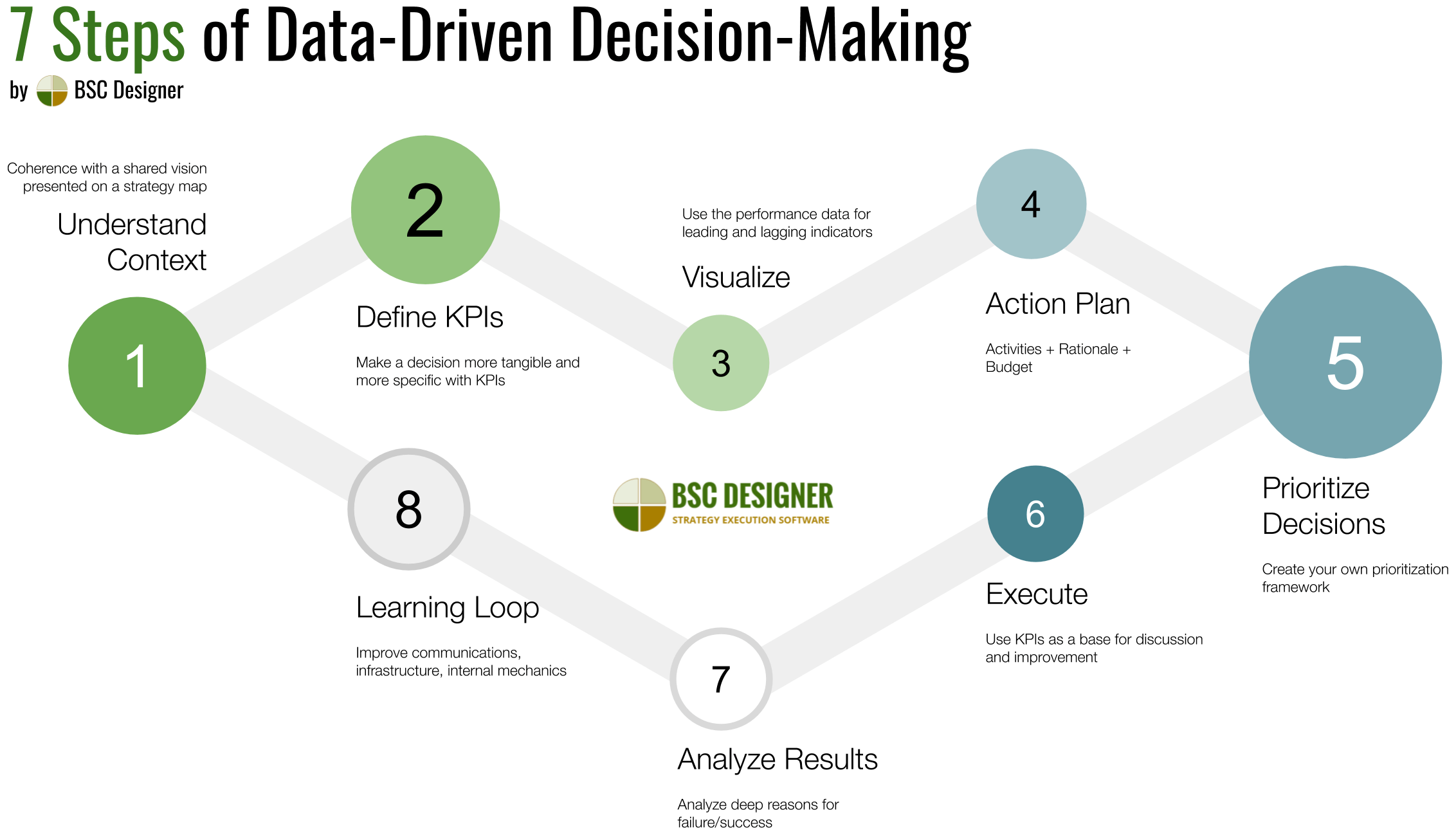
Analytics technology enables evidence-based decision making, reducing reliance on intuition and anecdotal feedback (Davenport & Harris, 2017).
Conclusion
Technology is not a substitute for sound business fundamentals, but it is a force multiplier. For small businesses, carefully selected software systems reduce administrative burden, improve visibility, and enable growth without proportional increases in labor.
Successful small businesses typically adopt technology incrementally—starting with finance and payments, expanding into customer and marketing systems, and later investing in analytics and security. When aligned with strategy, technology becomes a stable foundation rather than an operational distraction.
References
Buttle, F., & Maklan, S. (2019). Customer Relationship Management: Concepts and Technologies. Routledge.
Chaffey, D., & Ellis-Chadwick, F. (2019). Digital Marketing. Pearson.
Davenport, T. H., & Harris, J. G. (2017). Competing on Analytics. Harvard Business Review Press.
Drucker, P. F. (2007). Management Challenges for the 21st Century. HarperBusiness.
Horngren, C. T., Datar, S. M., & Rajan, M. V. (2021). Cost Accounting. Pearson.
Kotler, P., Kartajaya, H., & Setiawan, I. (2022). Marketing 5.0. Wiley.
Laudon, K. C., & Laudon, J. P. (2023). Management Information Systems. Pearson.
NIST. (2020). Small Business Information Security Fundamentals.
OECD. (2021). Digital Security Risk Management for Small Businesses.
Verizon. (2024). Data Breach Investigations Report.
Further Reading
- Harvard Business Review – Technology & Small Business Strategy
- U.S. Small Business Administration (SBA) – Digital Tools for Entrepreneurs
- MIT Sloan Management Review – Data-Driven Organizations
- McKinsey & Company – Small Business Digital Transformation
- World Economic Forum – Technology and SME Growth
Leave a Reply