
Written by Alexander Chriatian Gteco
With the Help of ChatGPT
Abstract
Audio and visual (A/V) content creation sits at the center of the modern digital economy. From short-form social video and long-form documentaries to podcasts, livestreams, and immersive multimedia experiences, A/V media shapes how information is taught, sold, remembered, and trusted. This article continues the content-creation series by exploring how audio and visual content is created, what quality standards define professional-grade output, and the specialized roles that support A/V production at scale. Emphasis is placed on real-world workflows, transferable skills, and the expanding job market surrounding audio-visual media.¹²
Disclosure
This article was developed with the assistance of ChatGPT as a drafting, structuring, and research-support tool. All editorial decisions, organization, and final intent reflect human oversight and authorship.
Table of Contents
- Introduction to Audio & Visual Content
- Defining Audio/Visual Content Creation
- Core Components of Visual Content
- Core Components of Audio Content
- Integrated A/V Workflows
- Quality Standards in Professional A/V Media
- Platforms and Distribution Ecosystems
- Roles in Audio/Visual Content Creation
- Business Models and Monetization
- Career Pathways and Skill Development
- Future Trends in A/V Creation
- Conclusion
- References
- Further Reading & Learning Resources
1. Introduction to Audio & Visual Content
Audio and visual content creation refers to the deliberate design, recording, editing, and distribution of sound-based, image-based, or combined media for communication, education, persuasion, or storytelling. While written content remains foundational, A/V formats offer higher emotional bandwidth, greater immediacy, and stronger retention for many audiences.³
In the contemporary media environment, audio and visual formats dominate:
- Short-form video delivers rapid, algorithm-driven discovery
- Long-form video supports education and deep narrative
- Podcasts enable intimate, trust-based engagement
- Livestreams collapse the distance between creator and audience
Advances in mobile hardware, broadband connectivity, and cloud-based tools have lowered the barrier to entry while simultaneously raising audience expectations for quality.⁴
2. Defining Audio/Visual Content Creation
Audio/visual content creation blends technical execution with creative intention. Unlike static media, A/V content is time-based, meaning that meaning unfolds sequentially and must be carefully paced.⁵
Defining characteristics include:
- Temporal structure (timing, rhythm, duration)
- Multisensory communication (sight and sound)
- Narrative progression (beginning, development, resolution)
- Performance or presence (voice, expression, motion)
As a result, A/V creation requires both engineering precision and storytelling literacy—a duality that shapes modern creative roles.
3. Core Components of Visual Content

3.1 Composition and Framing
Visual composition directs attention and establishes meaning before any words are spoken. Techniques such as the rule of thirds, depth layering, leading lines, and negative space are foundational in cinematography and visual design.⁶
Effective framing:
- Reduces cognitive load
- Establishes subject importance
- Communicates tone subconsciously
3.2 Lighting
Lighting determines clarity, professionalism, and emotional tone. Even simple setups—key light, fill light, and back light—dramatically affect perceived quality. Poor lighting is consistently cited as a primary marker of amateur production.⁷

3.3 Camera Movement and Perspective
Camera movement introduces intentionality:
- Static shots suggest stability or authority
- Handheld shots convey immediacy or realism
- Controlled motion guides emotional pacing
Perspective influences power relationships, intimacy, and viewer empathy.
3.4 Editing and Visual Rhythm
Editing is not merely technical assembly—it is narrative construction. Decisions about cuts, pacing, and transitions determine how information is interpreted and remembered.⁸
4. Core Components of Audio Content
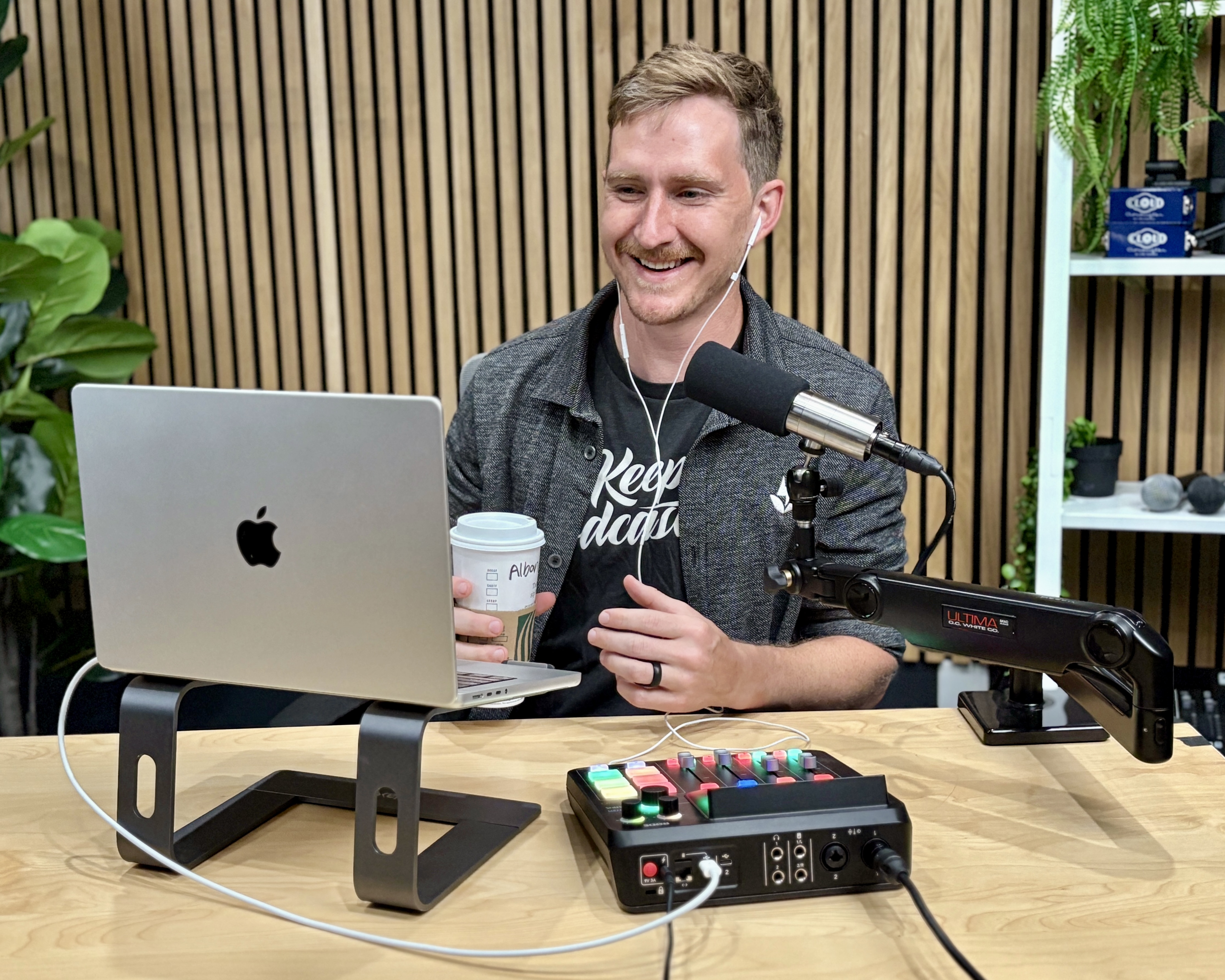
4.1 Voice and Performance
The human voice carries emotion, credibility, and personality. Research consistently shows that vocal clarity and pacing significantly affect listener trust and comprehension.⁹
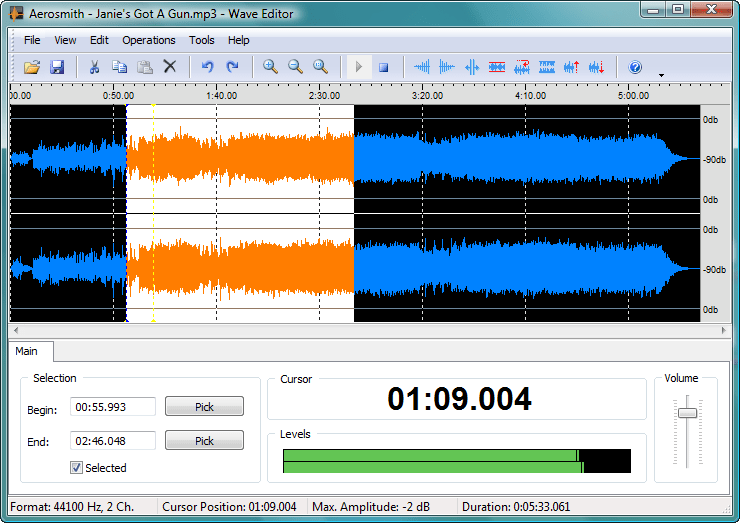
4.2 Sound Quality
Audiences will tolerate imperfect visuals far longer than distorted or noisy audio. Key quality factors include:
- Clean signal capture
- Controlled noise floor
- Consistent loudness
4.3 Sound Design and Music
Music and ambient sound shape emotional context. Strategic sound design enhances immersion and reinforces narrative intent without distracting from content.¹⁰
4.4 Editing and Mixing
Audio editing removes friction; mixing creates balance. Compression, equalization, and level normalization ensure consistent listening experiences across devices.¹¹
5. Integrated A/V Workflows
Most modern productions integrate audio and visuals into a unified pipeline:
- Concept development and scripting
- Recording (audio and/or video)
- Asset management and labeling
- Rough cut
- Fine edit
- Sound design and color correction
- Platform-specific export
Professional creators rely on repeatable systems, templates, and version control to maintain consistency at scale.¹²
6. Quality Standards in Professional A/V Media
Across industries, professional A/V media exhibits:
- Intentional framing and audio clarity
- Consistent branding and tone
- Clear narrative purpose
- Technical reliability
- Audience-appropriate pacing
Quality signals trust, and trust underpins monetization and audience retention.¹³
7. Platforms and Distribution Ecosystems
Distribution platforms shape both format and strategy.
Major ecosystems include:
- YouTube – long-form and evergreen video
- TikTok – short-form discovery-driven content
- Spotify – podcasts and serialized audio
- Twitch – real-time audience interaction
- Instagram – hybrid visual and short-form media
Each platform rewards distinct pacing, aspect ratios, and engagement strategies.¹⁴
8. Roles in Audio/Visual Content Creation
8.1 Video Producer
Oversees projects end-to-end, balancing creative vision with logistical constraints.¹⁵
8.2 Videographer / Cinematographer
Manages camera operation, lighting, and visual consistency. Combines technical mastery with aesthetic judgment.
8.3 Video Editor
Shapes narrative, pacing, and emotional flow. Editors often define brand identity more than any other role.¹⁶
8.4 Audio Engineer
Responsible for recording quality, mixing, mastering, and sound design across formats.
8.5 Content Strategist
Aligns media output with audience goals, platform behavior, and monetization models.
8.6 On-Camera / Voice Talent
Provides personality, authority, and continuity—often serving as the primary audience touchpoint.
9. Business Models and Monetization
Audio/visual content supports:
- Advertising and sponsorships
- Subscription models
- Educational products and courses
- Licensing and syndication
- Freelance and agency services
Sustainable creators design monetization into content strategy rather than adding it later.¹⁷
10. Career Pathways and Skill Development
Common entry points include:
- Freelance editing or audio work
- Production assistance roles
- Niche content channels
- Brand media teams
Transferable skills include storytelling, technical literacy, project management, and audience psychology. Career paths are increasingly non-linear.¹⁸
11. Future Trends in A/V Creation
Emerging developments include:
- AI-assisted editing and transcription
- Virtual and augmented production environments
- Interactive and immersive media
- Hybrid human–AI creative workflows
Future-proof creators understand systems and fundamentals, not just tools.¹⁹
12. Conclusion
Audio and visual content creation has become a foundational form of modern literacy. Those who master both craft and professional structure gain durable leverage across education, business, and culture. As this series continues, subsequent articles will examine audio-only mastery, visual design systems, and interactive media in greater depth.
13. References
- Mayer, R. E. (2020). Multimedia Learning. Cambridge University Press.
- McLuhan, M. (1964). Understanding Media. McGraw-Hill.
- Guo, P. J., Kim, J., & Rubin, R. (2014). How video production affects student engagement. ACM Learning@Scale.
- Cisco. (2023). Annual Internet Report.
- Bordwell, D., & Thompson, K. (2019). Film Art: An Introduction. McGraw-Hill.
- Brown, B. (2016). Cinematography: Theory and Practice. Focal Press.
- Zettl, H. (2015). Television Production Handbook. Cengage.
- Murch, W. (2001). In the Blink of an Eye. Silman-James Press.
- Nass, C., & Brave, S. (2005). Wired for Speech. MIT Press.
- Sonnenschein, D. (2001). Sound Design. Michael Wiese Productions.
- Rumsey, F., & McCormick, T. (2014). Sound and Recording. Focal Press.
- Adobe. (2023). Creative Workflow Best Practices.
- Nielsen Norman Group. (2022). Trust and User Experience.
- Meta & Google Creator Reports (2023).
- Epstein, E. J. (2012). The Hollywood Economist. Melville House.
- Oldham, G. (2012). First Cut: Conversations with Film Editors. UC Press.
- Patreon. (2023). Creator Economy Report.
- LinkedIn Economic Graph. (2023). Media Careers Outlook.
- MIT Media Lab. (2024). AI and Creative Systems.
14. Further Reading & Learning Resources
Books
- The Visual Story – Bruce Block
- On Directing Film – David Mamet
- Podcasting for Dummies – Tee Morris & Evo Terra
Journals & Research
- Journal of Media Practice
- New Media & Society
Platforms & Guides
- YouTube Creator Academy
- Spotify for Podcasters
- Adobe Creative Cloud Tutorials
Podcasts & Video Essays
- Twenty Thousand Hertz
- Every Frame a Painting
- Creator Science
Leave a Reply