Category: Finances

  • The Traits of Successful People: Lifelong Development, Evidence, and How to Build Them at Any Age

    The Traits of Successful People: Lifelong Development, Evidence, and How to Build Them at Any Age

    Written by Alexander Christian Greco

    With the Help of ChatGPT

    https://kajabi-storefronts-production.kajabi-cdn.com/kajabi-storefronts-production/themes/2150071826/settings_images/EIpsxw5WSpCin2peJVle_file.jpg

    The Traits of Successful People: Lifelong Development, Evidence, and How to Build Them at Any Age

    Success is often portrayed as a result of talent, intelligence, or fortunate circumstances. Decades of psychological, educational, and sociological research, however, suggest a more nuanced and hopeful reality: success emerges from developed traits that evolve over time and remain adaptable across the lifespan. These traits are shaped by early experiences, reinforced or weakened during adolescence, and refined through adulthood via deliberate practice, reflection, and environment design.

    This article recreates and expands the earlier discussion by integrating inline scholarly references, a formal reference list, and further reading, while preserving the original structure and ideas. Success is defined broadly to include personal effectiveness, resilience, fulfillment, competence, and sustained achievement—not merely wealth or status.


    1. A Growth-Oriented Mindset

    A growth-oriented mindset refers to the belief that abilities and intelligence can be developed through effort, learning, and persistence. Individuals with this mindset interpret challenges as opportunities and failure as information rather than proof of limitation.

    Research by Carol Dweck demonstrates that people who hold incremental beliefs about intelligence are more likely to embrace challenges and persist after setbacks (Dweck, 2006). Longitudinal studies show that mindset predicts academic achievement, career adaptability, and resilience over time.

    Development Across the Lifespan

    In early childhood, mindset is shaped by feedback. Praise focused on effort (“you worked hard”) rather than fixed traits (“you’re smart”) fosters resilience and curiosity (Haimovitz & Dweck, 2017). During adolescence—when social comparison intensifies—mindset can either crystallize into rigidity or expand through supportive mentorship and autonomy.

    In adulthood, a growth mindset supports reskilling, career transitions, and psychological flexibility in rapidly changing environments (Yeager et al., 2019).

    Cultivating It at Any Age

    • Reframe failure as diagnostic feedback rather than personal deficiency
    • Use process-oriented self-talk (“What strategy can I improve?”)
    • Track learning curves rather than outcomes alone
    • Engage in tasks slightly beyond current competence

    2. Self-Discipline and Consistency

    Self-discipline is the capacity to align behavior with long-term goals despite short-term discomfort. Consistency transforms discipline into results through compounding effects.

    Research on self-regulation and delayed gratification—most famously associated with Walter Mischel—demonstrates that early self-control predicts later academic, health, and social outcomes (Moffitt et al., 2011).

    Development Across the Lifespan

    Children learn discipline through structure and routines. Predictable environments and clear expectations build executive function. Adolescents, gaining autonomy, begin internalizing regulation through time management and goal-setting.

    In adulthood, discipline shifts from external enforcement to system design. Successful individuals rely less on willpower and more on habits, routines, and environmental cues (Clear, 2018).

    Cultivating It at Any Age

    • Start with small, repeatable habits
    • Tie habits to identity (“I am someone who practices daily”)
    • Reduce friction for positive behaviors
    • Measure streaks and consistency, not perfection

    3. Emotional Regulation and Self-Awareness

    Emotional regulation is the ability to monitor, evaluate, and modify emotional reactions. Self-awareness—the capacity to recognize internal states and patterns—supports regulation and decision-making.

    Studies in emotional intelligence by Daniel Goleman show strong links between emotional skills, leadership effectiveness, and interpersonal success (Goleman, 1995).

    Development Across the Lifespan

    Children learn emotional regulation through modeling and language. Caregivers who label emotions and demonstrate calm responses foster emotional literacy. Adolescence challenges regulation due to neurodevelopmental changes, but also offers rapid growth through social feedback.

    In adulthood, emotional regulation predicts stress tolerance, conflict resolution, and long-term mental health (Gross, 2015).

    Cultivating It at Any Age

    • Practice mindfulness or reflective journaling
    • Name emotions precisely rather than broadly
    • Insert a pause between emotion and action
    • Solicit feedback to uncover emotional blind spots

    4. Resilience and Adaptability

    Resilience refers to recovery from adversity, while adaptability reflects the ability to adjust strategies when conditions change. Together, they enable sustained progress over time.

    Research by Ann Masten frames resilience not as extraordinary toughness, but as “ordinary magic” arising from basic adaptive systems (Masten, 2014).

    Development Across the Lifespan

    Moderate, manageable stress in childhood—when paired with support—builds coping skills. Adolescents experience identity, academic, and social challenges that can either erode or strengthen resilience depending on context.

    Adults face structural changes such as career shifts, economic instability, and health challenges. Adaptability becomes critical in navigating uncertainty (Fletcher & Sarkar, 2013).

    Cultivating It at Any Age

    • Normalize setbacks as part of development
    • Focus on controllable variables during crises
    • Develop multiple competencies to reduce fragility
    • Establish recovery routines after stress

    5. Purpose and Long-Term Orientation

    Purpose provides coherence and motivation across time. Individuals with a sense of meaning demonstrate greater persistence, psychological health, and life satisfaction.

    Research in positive psychology by Viktor Frankl and later empirical work shows that meaning buffers stress and supports long-term goal pursuit (Alimujiang et al., 2019).

    Development Across the Lifespan

    Children initially borrow purpose from caregivers and social structures. Adolescents explore values and identities. In adulthood, purpose often consolidates through work, relationships, service, or creative pursuits.

    Purpose is not static; it evolves with life stages and circumstances.

    Cultivating It at Any Age

    • Reflect on moments of deep engagement
    • Identify values that guide decision-making
    • Set long-term goals aligned with those values
    • Revisit purpose periodically and revise as needed

    6. Learning Orientation and Skill Accumulation

    Successful people view learning as a lifelong process. They prioritize skills that compound—critical thinking, communication, adaptability, and technical literacy.

    Educational research emphasizes “learning how to learn” as a key predictor of long-term success (Bjork et al., 2013).

    Development Across the Lifespan

    Early exposure to exploratory learning fosters curiosity. Adolescence allows specialization and skill discovery. Adulthood demands strategic learning aligned with changing contexts.

    Cultivating It at Any Age

    • Schedule dedicated learning time
    • Focus on transferable skills
    • Apply knowledge immediately
    • Teach others to deepen understanding

    7. Social Intelligence and Relationship Building

    Social intelligence encompasses empathy, communication, cooperation, and conflict navigation. Success in nearly all domains depends on relational competence.

    Longitudinal research indicates that social skills predict career advancement and life satisfaction independent of IQ (Deming, 2017).

    Development Across the Lifespan

    Children develop social skills through play. Adolescents refine them through peer interaction. Adults rely on trust-based relationships in professional and personal contexts.

    Cultivating It at Any Age

    • Practice active listening
    • Seek understanding before persuasion
    • Communicate clearly and respectfully
    • Invest in long-term relationships

    8. Responsibility and Internal Locus of Control

    An internal locus of control reflects the belief that outcomes are influenced by one’s actions. This trait correlates strongly with motivation, resilience, and leadership.

    Foundational work by Julian Rotter demonstrates that individuals with internal control beliefs engage more proactively with challenges (Rotter, 1966).

    Development Across the Lifespan

    Children develop agency through responsibility. Adolescents learn accountability through consequences. Adults leverage internal control to adapt and self-correct.

    Cultivating It at Any Age

    • Ask “What can I influence here?”
    • Avoid excessive blame or victim narratives
    • Track cause-and-effect in personal actions
    • Take ownership of mistakes and corrections

    Integrating Traits Across Time

    These traits are interdependent. Growth mindset supports learning; discipline enables consistency; emotional regulation strengthens resilience; purpose guides effort. Importantly, none are age-limited. Adults can develop new traits just as children do—often more efficiently due to accumulated self-awareness.

    Success, therefore, is not a fixed identity but a trajectory shaped by repeated choices.


    Conclusion

    Successful people are not defined by innate talent or luck alone. They cultivate mindsets, habits, emotional skills, and values across time. These traits begin forming early but remain plastic throughout life. With intentional practice, structured environments, and reflective learning, anyone can strengthen these characteristics at any stage.

    Success is less about who you are today and more about the systems you build to become who you aim to be tomorrow.


    References

    Alimujiang, A., et al. (2019). Association between life purpose and mortality among US adults. JAMA Network Open, 2(5), e194270.
    Bjork, R. A., Dunlosky, J., & Kornell, N. (2013). Self-regulated learning. Annual Review of Psychology, 64, 417–444.
    Clear, J. (2018). Atomic Habits. Avery.
    Deming, D. J. (2017). The growing importance of social skills. Quarterly Journal of Economics, 132(4), 1593–1640.
    Dweck, C. S. (2006). Mindset: The New Psychology of Success. Random House.
    Fletcher, D., & Sarkar, M. (2013). Psychological resilience. European Psychologist, 18(1), 12–23.
    Goleman, D. (1995). Emotional Intelligence. Bantam Books.
    Gross, J. J. (2015). Emotion regulation. Annual Review of Psychology, 66, 17–39.
    Haimovitz, K., & Dweck, C. S. (2017). The origins of children’s growth mindsets. Psychological Science, 28(9), 1236–1245.
    Masten, A. S. (2014). Ordinary Magic: Resilience in Development. Guilford Press.
    Moffitt, T. E., et al. (2011). A gradient of childhood self-control. PNAS, 108(7), 2693–2698.
    Rotter, J. B. (1966). Generalized expectancies for internal versus external control. Psychological Monographs, 80(1).
    Yeager, D. S., et al. (2019). A national experiment reveals growth mindset improves achievement. Nature, 573, 364–369.


    Further Reading

    • Duckworth, A. (2016). Grit: The Power of Passion and Perseverance
    • Ericsson, K. A., & Pool, R. (2016). Peak
    • Peterson, C., & Seligman, M. (2004). Character Strengths and Virtues
    • Pink, D. H. (2009). Drive
    • Sapolsky, R. (2017). Behave
  • The Foundations of Business Management

    The Foundations of Business Management

    A Practical and Evidence-Based Guide to Organizing, Leading, and Sustaining Organizations

    Introduction: What Business Management Really Is

    Business management is the disciplined practice of coordinating people, resources, processes, and decisions in order to achieve organizational objectives efficiently, ethically, and sustainably. While economics focuses on markets and incentives, and entrepreneurship emphasizes opportunity creation, management is the mechanism through which organizations function day to day.

    https://www.yeoandyeo.com/wp-content/uploads/09_13_23_420082828_BB_560x292.jpg

    Classic management theorists such as Peter Drucker argued that management is not simply a function of authority but a practice rooted in responsibility, effectiveness, and results (Drucker, 1954). Modern organizations—whether startups, nonprofits, corporations, or public institutions—depend on management systems to transform intention into consistent outcomes.

    At its foundation, business management answers four persistent questions:

    1. What are we trying to accomplish?
    2. How should work be organized?
    3. How do we ensure people perform effectively?
    4. How do we adapt when conditions change?

    Understanding these questions provides a portable framework applicable across industries, roles, and career stages.


    1. The Purpose of Business Management

    The fundamental purpose of management is to reduce organizational entropy—the natural tendency toward disorder—by creating structure, predictability, and coordination (Mintzberg, 1979).

    Without management, organizations rely on informal norms, individual effort, or luck. With management, they rely on defined roles, systems, accountability, and feedback loops.

    Core Purposes of Management

    • Alignment: Ensuring efforts support shared goals
    • Efficiency: Optimizing limited resources
    • Coordination: Synchronizing interdependent tasks
    • Stability: Maintaining reliable operations
    • Adaptability: Responding intelligently to change

    Management does not eliminate uncertainty; rather, it absorbs uncertainty so organizations can function despite volatility (Drucker, 1967).


    2. The Classical Functions of Management

    Modern management education still relies on the foundational framework first formalized by Henri Fayol, who identified five essential managerial functions (Fayol, 1916/1949).

    https://saylordotorg.github.io/text_principles-of-management-v1.1/section_05/8c2b73a21019156d47887a1a60247d4d.jpg

    2.1 Planning

    Planning involves anticipating the future and preparing for it. This includes defining objectives, evaluating constraints, allocating resources, and identifying risks (Fayol, 1916/1949).

    Effective planning incorporates:

    • Strategic goals
    • Tactical initiatives
    • Risk assessment
    • Timelines and benchmarks

    Research consistently shows that organizations that plan systematically outperform those that rely on reactive decision-making (Porter, 1985).


    2.2 Organizing

    Organizing is the process of designing structures and workflows that enable plans to be executed.

    This includes:

    • Task specialization
    • Authority distribution
    • Reporting relationships
    • Process design

    Clear organization reduces ambiguity and internal friction, improving both productivity and morale (Mintzberg, 1979).


    2.3 Leading

    Leadership translates plans into action through motivation, communication, and influence. Unlike authority, leadership depends on trust, credibility, and emotional intelligence.

    Effective leadership behaviors include:

    • Clear communication
    • Consistent example
    • Feedback and recognition
    • Ethical conduct

    Leadership quality has been repeatedly linked to employee engagement, retention, and organizational performance (Yukl, 2013).


    2.4 Coordinating

    Coordination ensures that specialized units work together rather than at cross-purposes. As organizations grow more complex, coordination becomes a primary managerial challenge (Mintzberg, 1979).

    Mechanisms include:

    • Cross-functional meetings
    • Shared goals
    • Integrated schedules
    • Conflict-resolution systems

    2.5 Controlling

    Controlling involves measuring performance and correcting deviations. It is not micromanagement, but feedback-based learning.

    Control systems include:

    • Financial reports
    • Key performance indicators (KPIs)
    • Quality standards
    • Audits and reviews

    According to W. Edwards Deming, effective control systems are essential for continuous improvement rather than punishment (Deming, 1986).


    3. Management as a System Rather Than a Personality

    One of the most persistent myths in business is that success depends primarily on charismatic individuals. In reality, sustainable performance depends on systems.

    https://klariti.com/wp-content/uploads/2011/06/standard-operating-procedure-template-1.gif

    Systems-based management emphasizes:

    • Standard operating procedures
    • Decision frameworks
    • Training systems
    • Documentation
    • Feedback loops

    Organizations built around systems can scale, adapt, and survive leadership transitions more effectively than personality-driven organizations (Drucker, 1999).


    4. Decision-Making as the Core Managerial Skill

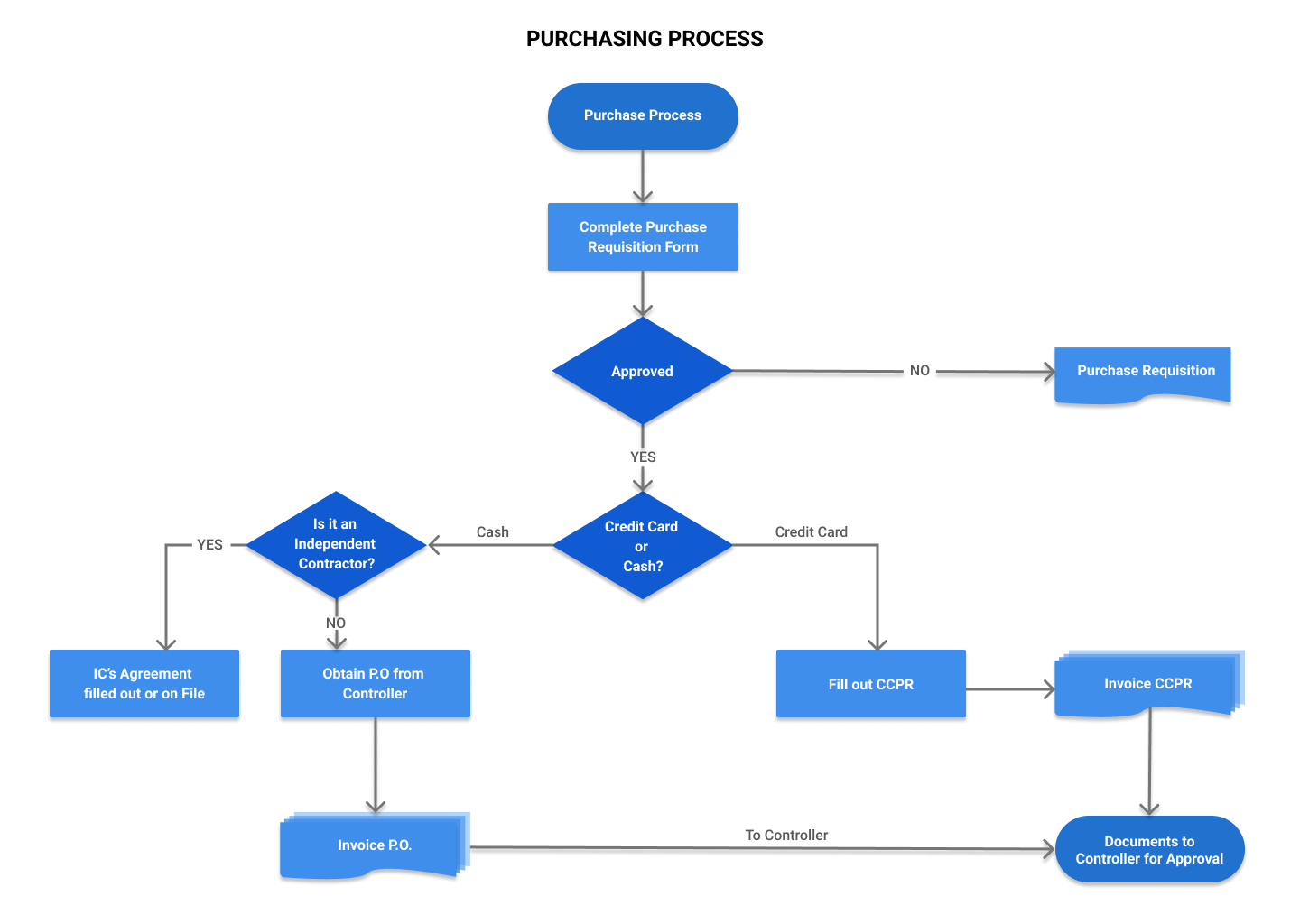
    https://www.cflowapps.com/wp-content/uploads/2021/03/Purchasing_process.png

    Management is fundamentally a decision-making discipline. Managers continuously allocate attention, capital, labor, and time under conditions of uncertainty.

    Treviño, L. K., Weaver, G. R., & Reynolds, S. J. (2006). Behavioral ethics in organizations. Journal of Management, 32(6), 951–990.

    Decisions occur at three levels:

    • Strategic: Direction-setting, long-term choices
    • Tactical: Resource allocation and implementation
    • Operational: Day-to-day execution

    High-quality decisions balance data, judgment, ethical considerations, and long-term consequences (Kahneman, 2011).


    5. Human Capital and Workforce Management

    People are not interchangeable inputs. They bring skills, motivation, values, and limitations.

    Effective workforce management includes:

    • Recruitment and selection
    • Training and development
    • Performance evaluation
    • Incentive alignment
    • Culture management

    Organizations that neglect human capital often experience high turnover, disengagement, and declining performance (Pfeffer, 1998).


    6. Organizational Culture and Ethics

    Culture represents the informal norms and values that guide behavior when rules are absent.

    Ethical management ensures:

    • Fair treatment of stakeholders
    • Transparency in decision-making
    • Psychological safety
    • Long-term trust

    Research shows that ethical cultures are associated with higher performance and lower risk exposure (Treviño et al., 2006).


    7. Financial Literacy as a Management Requirement

    Managers do not need to be accountants, but they must understand:

    • Revenue vs. profit
    • Cost structures
    • Cash flow
    • Budgeting
    • Investment trade-offs

    Financial ignorance is a leading contributor to organizational failure, especially in small and growing enterprises (Drucker, 1999).


    8. Operations and Process Management

    Operations management focuses on how value is created and delivered.

    Key concerns include:

    • Process efficiency
    • Quality assurance
    • Capacity planning
    • Supply chain coordination

    Lean and continuous-improvement approaches emphasize reducing waste while improving reliability (Deming, 1986).


    9. Innovation, Adaptation, and Change Management

    https://cdn.prod.website-files.com/60ffbc3a211dee2c1a74db99/67538f2d01e9ceffa8385f38_64b5d60f146d77fd25126bdb_change.webp

    Modern managers must guide organizations through constant change driven by technology, globalization, and shifting expectations.

    Effective change management requires:

    • Clear communication
    • Employee involvement
    • Training and reskilling
    • Gradual implementation
    • Continuous feedback

    Organizations that fail to adapt risk decline regardless of past success (Christensen, 1997).


    10. Levels of Management

    Management operates across hierarchical levels:

    • Top management: Strategy, vision, culture
    • Middle management: Coordination and implementation
    • Frontline management: Daily supervision and execution

    Alignment across levels is essential for organizational coherence.


    11. Measuring Managerial Success

    Managerial effectiveness is assessed through:

    • Financial outcomes
    • Employee retention
    • Productivity
    • Customer satisfaction
    • Innovation capacity
    • Organizational resilience

    Long-term sustainability is often a more meaningful measure than short-term profit.


    Conclusion: Management as a Discipline of Responsibility

    Business management is not merely administrative oversight. It is a discipline of responsibility, requiring judgment, ethical reasoning, and systems thinking.

    Strong management:

    • Transforms vision into action
    • Enables people to perform effectively
    • Sustains organizations over time
    • Balances efficiency with humanity

    In an increasingly complex world, effective management is a foundational societal skill, not merely a business function.


    References

    Christensen, C. M. (1997). The innovator’s dilemma. Harvard Business School Press.

    Deming, W. E. (1986). Out of the crisis. MIT Press.

    Drucker, P. F. (1954). The practice of management. Harper & Row.

    Drucker, P. F. (1967). The effective executive. Harper & Row.

    Drucker, P. F. (1999). Management challenges for the 21st century. HarperCollins.

    Fayol, H. (1949). General and industrial management (C. Storrs, Trans.). Pitman. (Original work published 1916)

    Kahneman, D. (2011). Thinking, fast and slow. Farrar, Straus and Giroux.

    Mintzberg, H. (1979). The structuring of organizations. Prentice Hall.

    Pfeffer, J. (1998). The human equation. Harvard Business School Press.

    Porter, M. E. (1985). Competitive advantage. Free Press.


    Further Reading

    • Mintzberg, H. – Managers Not MBAs
    • Drucker, P. – Managing for Results
    • Kotter, J. – Leading Change
    • Schein, E. – Organizational Culture and Leadership
    • Porter, M. – What Is Strategy? (Harvard Business Review)
  • The Fundamentals of Game Theory

    The Fundamentals of Game Theory

    Written by Alexander Christian Greco

    With the Help of ChatGPT

    The Fundamentals of Game Theory

    A Structured, Referenced Introduction to Strategic Interaction

    Abstract

    Game theory is a formal framework for analyzing strategic interaction—situations in which the outcome for each participant depends not only on their own decisions but also on the decisions of others. Developed initially within mathematics and economics, game theory now underpins critical work in political science, biology, computer science, cybersecurity, artificial intelligence, and behavioral sciences. This article presents a comprehensive introduction to the fundamentals of game theory, including its core concepts, formal structures, major classes of games, equilibrium notions, and real-world applications. Inline references, a formal reference list, and curated further reading are included to support academic use and continued study.


    1. Introduction: What Is Game Theory?

    Game theory studies strategic interdependence—decision-making environments where outcomes depend on the combined actions of multiple agents rather than on isolated choices (Osborne & Rubinstein, 1994). These agents, called players, may be individuals, firms, governments, algorithms, or biological organisms.

    In contrast to everyday usage, a game in game theory is any structured interaction defined by:

    • Players
    • Strategies
    • Payoffs
    • Information rules

    Classic examples include market competition, voting systems, military deterrence, bargaining, and resource allocation (Gibbons, 1992).

    https://www.researchgate.net/publication/220272822/figure/fig1/AS%3A642483742593024%401530191469646/Payoff-matrix-for-the-Prisoners-Dilemma-game.png

    The formal origins of game theory are attributed to John von Neumann, whose work with economist Oskar Morgenstern established the mathematical foundations of strategic analysis in Theory of Games and Economic Behavior (von Neumann & Morgenstern, 1944).


    2. Why Game Theory Matters

    Game theory matters because most meaningful decisions occur in interactive environments. Prices, wages, treaties, social norms, and algorithmic systems are shaped by strategic anticipation—actors choosing while accounting for others’ incentives and likely responses (Myerson, 1991).

    Applications include:

    • Firms setting prices under competition (Bertrand and Cournot models)
    • Nations deciding whether to cooperate or defect in international agreements
    • Online platforms designing auctions and recommendation systems
    • AI agents competing or coordinating in shared environments
    • Organisms evolving behavioral strategies under selection pressure

    Game theory offers a rigorous way to understand why systems stabilize where they do—and when instability or inefficiency emerges.


    3. Core Components of a Game

    3.1 Players

    Players are decision-makers. Traditional models assume rationality, meaning players select actions that maximize their expected utility given beliefs about others’ behavior (Mas-Colell et al., 1995). Later models relax this assumption through bounded rationality and behavioral approaches.

    3.2 Strategies

    A strategy is a complete contingent plan—specifying what a player will do in every possible situation within the game (Fudenberg & Tirole, 1991).

    Strategies may be:

    • Pure (deterministic actions)
    • Mixed (probability distributions over actions)

    3.3 Payoffs

    Payoffs quantify preferences over outcomes. They may represent money, utility, survival probability, prestige, or system performance. Importantly, game theory models ordinal or cardinal preferences, not moral worth.

    3.4 Information

    Information structures determine what players know and when they know it. These include:

    • Knowledge of others’ actions
    • Knowledge of payoff functions
    • Knowledge of types or characteristics

    Information asymmetry is central to many real-world strategic problems (Akerlof, 1970).


    4. Major Classes of Games

    4.1 Simultaneous vs. Sequential Games

    • Simultaneous games: players act without observing others’ choices (e.g., price setting).
    • Sequential games: players move in sequence, observing earlier actions (e.g., bargaining).

    Sequential games require concepts like subgame perfection to rule out non-credible threats (Selten, 1965).

    4.2 Cooperative vs. Non-Cooperative Games

    • Non-cooperative game theory studies individual decision-making without enforceable agreements.
    • Cooperative game theory studies coalition formation and payoff allocation (Shapley value, core).

    Most foundational results focus on non-cooperative games.

    4.3 Zero-Sum vs. Non-Zero-Sum Games

    • Zero-sum games: total payoffs are constant (one player’s gain is another’s loss).
    • Non-zero-sum games: mutual gains or losses are possible.

    Many social dilemmas arise in non-zero-sum settings.

    4.4 Complete vs. Incomplete Information

    • Complete information: all players know the game structure.
    • Incomplete information: some aspects are unknown, requiring belief-based reasoning (Harsanyi, 1967).

    5. Game Representations

    5.1 Normal (Strategic) Form

    Normal form represents games as payoff matrices, listing strategies and outcomes. This format is common for simultaneous games and introductory analysis.

    5.2 Extensive Form

    Extensive form uses decision trees to model timing, information sets, and sequential rationality. It is essential for analyzing commitment, signaling, and dynamic strategies.


    https://saylordotorg.github.io/text_introduction-to-economic-analysis/section_17/8c015a1d9042645b104806d273662597.jpg

    6. The Prisoner’s Dilemma

    The Prisoner’s Dilemma is the most famous game in game theory because it reveals how rational individual behavior can produce collectively inferior outcomes (Axelrod, 1984).

    Each player chooses between cooperate and defect. Defection strictly dominates cooperation, yet mutual cooperation would yield higher total welfare. This tension explains phenomena such as:

    • Arms races
    • Environmental degradation
    • Overexploitation of shared resources

    The dilemma highlights the limits of one-shot rationality.


    7. Nash Equilibrium

    7.1 Definition

    A Nash equilibrium is a strategy profile where no player can improve their payoff by unilaterally deviating, given the strategies of others (Nash, 1950).

    7.2 Significance

    Nash equilibrium generalizes equilibrium concepts across almost all non-cooperative games and provides a stability criterion for strategic systems.

    7.3 Critiques

    • Equilibria may be inefficient
    • Multiple equilibria can exist
    • Some equilibria rely on implausible beliefs

    Despite these issues, Nash equilibrium remains foundational.


    8. Mixed Strategies and Randomization

    When pure-strategy equilibria do not exist, players may randomize. Mixed strategy equilibria are common in competitive contexts such as security, sports, and market entry games (Osborne, 2004).

    Randomization prevents predictability and exploitation.


    9. Dominant Strategies and Iterative Elimination

    A dominant strategy yields higher payoffs regardless of others’ actions. When dominant strategies exist, equilibrium analysis is straightforward.

    Game theorists often apply iterated elimination of dominated strategies, removing inferior actions step by step to simplify strategic reasoning.


    10. Repeated Games and the Emergence of Cooperation

    When games repeat over time, players can condition current behavior on past actions. This enables:

    • Reputation effects
    • Credible punishment
    • Long-run cooperation

    Strategies like Tit-for-Tat demonstrate how cooperation can emerge even among self-interested agents (Axelrod, 1984).

    Repeated games explain the evolution of norms, trust, and institutions.


    11. Incomplete Information and Bayesian Games

    In many environments, players lack full knowledge of others’ preferences or constraints. Bayesian games model this uncertainty using types and beliefs (Harsanyi, 1967).

    A Bayesian Nash equilibrium accounts for optimal behavior given probabilistic beliefs and private information.

    Applications include:

    • Auctions
    • Insurance markets
    • Contract theory

    12. Signaling and Screening

    • Signaling occurs when informed players send costly signals to convey information (Spence, 1973).
    • Screening occurs when uninformed players design mechanisms to induce self-revelation.

    These concepts are central to labor economics, finance, and online marketplaces.


    13. Mechanism Design

    Mechanism design reverses the traditional question: instead of predicting outcomes from rules, it asks how to design rules that lead to desired outcomes despite strategic behavior (Myerson, 1991).

    Examples include:

    • Auction formats
    • Voting systems
    • Matching algorithms

    It is foundational to modern market design and platform economics.


    14. Evolutionary Game Theory

    Evolutionary game theory replaces rational choice with population dynamics (Maynard Smith, 1982). Strategies that perform better reproduce or spread more widely.

    Key concepts include:

    • Evolutionarily Stable Strategies (ESS)
    • Replicator dynamics
    • Frequency-dependent selection

    This framework connects game theory with biology, sociology, and cultural evolution.


    15. Game Theory in Computer Science and AI

    Game theory underlies:

    • Algorithmic mechanism design
    • Multi-agent systems
    • Adversarial learning
    • Network security
    • Distributed resource allocation

    As autonomous systems increasingly interact strategically, game-theoretic reasoning is becoming central to AI safety and alignment research.


    16. Strengths and Limitations

    Strengths

    • Formal precision
    • Broad applicability
    • Clear incentive analysis

    Limitations

    • Strong rationality assumptions
    • Sensitivity to payoff specification
    • Computational complexity in large systems

    Behavioral and experimental game theory address many of these limitations.


    17. Conclusion

    Game theory provides a powerful, unified framework for understanding strategic behavior across economics, politics, biology, and technology. By formalizing incentives and expectations, it explains both cooperation and conflict—and why rational agents sometimes fail to achieve collectively optimal outcomes.

    As societies, markets, and intelligent systems grow more interconnected, the insights of game theory will remain essential for understanding and designing strategic environments.


    References

    Akerlof, G. A. (1970). The market for “lemons”: Quality uncertainty and the market mechanism. Quarterly Journal of Economics, 84(3), 488–500.

    Axelrod, R. (1984). The Evolution of Cooperation. Basic Books.

    Fudenberg, D., & Tirole, J. (1991). Game Theory. MIT Press.

    Gibbons, R. (1992). A Primer in Game Theory. Harvester Wheatsheaf.

    Harsanyi, J. C. (1967). Games with incomplete information played by Bayesian players. Management Science, 14(3), 159–182.

    Mas-Colell, A., Whinston, M. D., & Green, J. R. (1995). Microeconomic Theory. Oxford University Press.

    Maynard Smith, J. (1982). Evolution and the Theory of Games. Cambridge University Press.

    Myerson, R. B. (1991). Game Theory: Analysis of Conflict. Harvard University Press.

    Nash, J. F. (1950). Equilibrium points in n-person games. Proceedings of the National Academy of Sciences, 36(1), 48–49.

    Osborne, M. J. (2004). An Introduction to Game Theory. Oxford University Press.

    Osborne, M. J., & Rubinstein, A. (1994). A Course in Game Theory. MIT Press.

    von Neumann, J., & Morgenstern, O. (1944). Theory of Games and Economic Behavior. Princeton University Press.


    Further Reading & Learning Pathways

    Introductory

    • Dixit, A., & Skeath, S. – Games of Strategy
    • Stanford Encyclopedia of Philosophy – Game Theory entries

    Intermediate

    • Camerer, C. – Behavioral Game Theory
    • Jackson, M. – Social and Economic Networks

    Advanced

    • Algorithmic Game Theory (Nisan et al.)
    • Mechanism Design and Market Design literature
    • Multi-agent reinforcement learning research
  • Small Business Markets in 2026: Jobs, Trends, and Growth Trajectories

    Small Business Markets in 2026: Jobs, Trends, and Growth Trajectories

    Written by Alexander Christian Greco

    With the Help of ChatGPT

    Abstract

    Small businesses form the structural backbone of the U.S. economy. They account for nearly all firms, employ a large share of the private workforce, and consistently generate a disproportionate share of net new jobs. In 2026, the small-business market is shaped by elevated entrepreneurship, evolving labor conditions, persistent cost pressures, and accelerating adoption of digital tools and artificial intelligence. This article provides a comprehensive overview of the contemporary small-business market, including current trends, employment dynamics, future projections, and the job categories with the greatest growth potential. The analysis draws on data from the U.S. Small Business Administration, U.S. Bureau of Labor Statistics, the U.S. Census Bureau, the Federal Reserve, and the National Federation of Independent Business, offering an integrated view for business owners, workers, and policymakers.

    Disclosure (AI drafting note)

    This article was drafted with the assistance of an AI language model. While grounded in publicly available economic data, readers should validate conclusions against local conditions, industry-specific regulations, and the most recent government releases before making strategic or career decisions.


    Table of Contents

    1. The Small Business Market Snapshot (2025–2026)
    2. What the “Small Business Market” Encompasses
    3. Current Trends Shaping Small Businesses
    4. The Small Business Job Market
    5. Future Employment Projections
    6. Areas of Greatest Job-Growth Potential
    7. Strategic Implications for Businesses and Workers
    8. Further Reading
    9. References

    1. The Small Business Market Snapshot (2025–2026)

    Small businesses dominate the U.S. economic landscape. According to the SBA’s most recent national profile, the United States is home to 36.2 million small businesses, representing 99.9% of all firms and employing 62.3 million workers, or 45.9% of private-sector employment . These figures underscore a critical reality: most economic activity, employment, and innovation occurs not within large corporations, but within small and medium-sized enterprises.

    Beyond scale, small businesses are central to job creation and destruction, a normal and healthy feature of a dynamic economy. SBA data indicate that millions of jobs are created annually by small firms through expansions and startups, even as others contract or close . This continuous churn enables experimentation, local adaptation, and responsiveness to changing consumer demand.

    Entrepreneurship remains elevated. Census Bureau Business Formation Statistics show 535,041 seasonally adjusted business applications in November 2025, a 7.1% increase over the prior month, with more than 31,000 applications projected to result in employer businesses within four quarters . While not all new firms survive, the volume of formation indicates sustained interest in self-employment, local services, and independent enterprise.


    2. What the “Small Business Market” Encompasses

    The term small business covers a wide range of organizational forms:

    • Nonemployer firms, including freelancers, contractors, and solo entrepreneurs
    • Employer firms, such as local retailers, trades businesses, clinics, restaurants, and logistics operators
    • Early-stage startups, which represent a small share numerically but can have outsized innovation impact

    Most small-business employment is concentrated in services, construction and trades, healthcare, hospitality, transportation, and professional services. These sectors tend to reward proximity, responsiveness, and trust—advantages that small firms can offer more readily than large, centralized organizations.

    A useful analytical framework is the interaction of local demand, repeatable operations, and regulatory intensity. Industries with stable local demand and manageable compliance burdens tend to support dense ecosystems of small businesses, while capital-intensive or heavily regulated industries skew toward larger firms, albeit with persistent niches for specialized small operators.


    3. Current Trends Shaping Small Businesses

    3.1 Labor conditions: easing, but still constrained

    Although labor shortages have moderated compared to earlier post-pandemic years, small businesses continue to report difficulty filling open positions. NFIB surveys consistently identify labor quality and unfilled job openings as top concerns, alongside ongoing wage pressures . Many firms have raised compensation and still plan additional increases, reflecting competition for reliable workers .

    3.2 Revenue pressure and cautious investment

    The Federal Reserve’s Small Business Credit Survey reports that, for the first time since 2021, more employer firms reported revenue declines than increases, even as credit access and application rates remained relatively stable . This environment encourages selective investment, with owners prioritizing expenditures that directly protect cash flow or improve operational efficiency.

    3.3 Accelerating adoption of AI and automation

    Digital transformation has reached even the smallest firms. SBA research drawing on Census Bureau survey data suggests that the adoption gap between small and large businesses is narrowing, particularly for AI-enabled tools . Independent surveys report sharp year-over-year increases in generative AI use among small businesses for marketing, scheduling, customer support, and internal documentation .

    3.4 Digitization of “offline” businesses

    Digital operations are no longer optional. Even firms providing physical or in-person services now rely on online reviews, digital payments, customer relationship management systems, and basic analytics. Firms that integrate these tools effectively often outperform technically superior competitors with weaker operational discipline.

    3.5 Heightened uncertainty and resilience planning

    Cost volatility, shifting demand, and supply-chain disruptions continue to affect small businesses more acutely than large enterprises. Recent commentary and surveys emphasize adaptive staffing, pricing strategies, and diversification as core resilience practices .


    4. The Small Business Job Market

    4.1 High-demand roles

    Small businesses consistently hire for roles that support revenue generation and daily operations, including:

    • Sales and customer acquisition specialists
    • Operations coordinators, dispatchers, and office managers
    • Skilled tradespeople and technicians
    • Service delivery and frontline staff
    • Bookkeeping, payroll, and financial administration professionals

    4.2 Persistent hiring challenges

    Despite improving labor supply, NFIB data indicate that many firms still struggle to fill openings due to mismatches in skills, scheduling expectations, and training capacity . Firms that succeed often invest in clearer job design, structured onboarding, and internal skill development rather than relying solely on external hiring.


    5. Future Employment Projections

    5.1 Slower overall growth, higher stakes

    The BLS projects 5.2 million net new jobs between 2024 and 2034, representing overall employment growth of 3.1%, slower than in the previous decade . In a slower-growth environment, sector selection becomes increasingly important for both firms and workers.

    5.2 Healthcare and social assistance as the primary driver

    Healthcare and social assistance are projected to be the fastest-growing major sector, adding jobs at an estimated 8.4% rate over the decade . This growth strongly benefits small businesses, which dominate outpatient care, home health services, therapy practices, and administrative support functions.

    5.3 Fast-growing occupations and small-business ecosystems

    Among the fastest-growing occupations identified by the BLS are wind turbine service technicians, solar photovoltaic installers, nurse practitioners, and data scientists . While some of these roles are concentrated in larger organizations, they generate extensive demand for small contractors, service providers, and support firms.


    6. Areas of Greatest Job-Growth Potential

    Healthcare operations and support

    Demographic trends, including population aging, underpin sustained demand for healthcare services . Small-business opportunities include clinic operations, medical billing, home care coordination, and patient engagement services.

    Skilled trades and infrastructure services

    Residential and commercial repair, retrofitting, and efficiency upgrades remain resilient, supporting apprenticeships, technicians, estimators, and compliance specialists.

    Renewable energy installation and maintenance

    Rapid growth in renewable energy occupations supports local installation, maintenance, permitting, and customer-education businesses .

    Practical AI and automation services

    Rather than employing specialized data scientists, most small firms seek generalists who can integrate AI tools into workflows, automate routine tasks, and enhance customer interactions .

    Logistics and field services

    Local delivery, installation, and repair services rely heavily on small businesses, creating demand for dispatchers, route planners, and inventory coordinators.

    Cybersecurity and compliance support

    As digital operations expand, small businesses increasingly require affordable cybersecurity and regulatory-compliance services, often delivered by fractional or contract specialists.


    7. Strategic Implications

    For business owners, success increasingly depends on job design, training infrastructure, and selective technology adoption. For workers, the strongest career prospects lie in hybrid roles that combine domain knowledge, operational skills, and digital literacy.


    8. Further Reading

    • SBA Office of Advocacy – Small Business Profiles and Research Spotlights
    • U.S. Census Bureau – Business Formation Statistics
    • BLS – Employment Projections and Occupational Outlook
    • Federal Reserve – Small Business Credit Survey Reports
    • NFIB – Small Business Economic Trends Reports

    9. References (APA Style)

    • National Federation of Independent Business. (2025). Small Business Economic Trends Report.
    • National Federation of Independent Business. (2025). Small Business Jobs Report.
    • U.S. Bureau of Labor Statistics. (2025). Employment Projections: 2024–2034.
    • U.S. Bureau of Labor Statistics. (2025). Fastest-Growing Occupations.
    • U.S. Census Bureau. (2025). Business Formation Statistics.
    • U.S. Small Business Administration, Office of Advocacy. (2025). Small Business Profile: United States.
    • U.S. Small Business Administration, Office of Advocacy. (2025). AI in Business: Research Spotlight.
    • Federal Reserve Banks. (2025). Small Business Credit Survey: Employer Firms.
  • New Technologies Reshaping the Distribution Industry

    New Technologies Reshaping the Distribution Industry

    Written by Alexander Christian Greco

    With Help from ChatGPT

    Warehousing, Wholesale, and Logistics

    https://interlakemecalux.cdnwm.com/blog/img/fully-automated-warehouse.1.4.jpg

    Abstract

    https://howtorobot.com/sites/default/files/2021-10/warehouse-robots.jpg

    The distribution industry—encompassing wholesale distribution, warehousing, and logistics—has entered a structural transformation driven by digitalization, automation, and artificial intelligence. Distribution centers are no longer static storage facilities; they are dynamic cyber-physical systems that sense conditions, make decisions, and execute actions in near real time. Advances in warehouse automation, robotics, computer vision, Internet of Things (IoT) sensors, digital twins, and AI-driven decision intelligence are redefining how goods flow from producers to customers. This article examines the most important new technologies specific to the distribution industry, explains how they fit together as a modern operational stack, and explores how these technologies improve accuracy, speed, resilience, and cost efficiency across physical supply chains.


    Disclosure

    https://www.lightguidesys.com/wp-content/uploads/2024/06/smart-warehouse-technology.png

    This article was drafted with the assistance of ChatGPT (OpenAI) as a writing and organization tool. The content is provided for educational and informational purposes and should be evaluated against real-world operational, safety, regulatory, and vendor-specific requirements before implementation.


    Table of Contents

    1. What “Distribution” Means in a Technology Context
    2. The Modern Distribution Technology Stack
    3. Warehouse Automation 2.0: AMRs, AS/RS, and Goods-to-Person
    4. Computer Vision and AI at the Dock Door
    5. RFID, IoT, and Real-Time Location Systems
    6. Digital Twins for Distribution Center Design and Control
    7. Agentic AI and Decision Intelligence in Distribution
    8. Supply Chain Visibility Standards and Event-Based Data
    9. Transportation Technologies and Last-Mile Integration
    10. Cybersecurity and Operational Resilience
    11. Implementation Strategy: Sequencing, Metrics, and Risks
    12. Conclusion
    13. Further Reading
    14. References

    1. What “Distribution” Means in a Technology Context

    Distribution sits between manufacturing and consumption, acting as the physical execution layer of commerce. While manufacturers focus on production efficiency and retailers focus on demand capture, distributors must manage:

    • High-volume physical handling of goods
    • Time-sensitive fulfillment commitments
    • Inventory accuracy across constantly moving assets

    Historically, distribution relied on manual labor, forklifts, paper pick lists, and batch-updated inventory systems. Even early Warehouse Management Systems (WMS) were primarily record-keeping tools rather than real-time control systems. Today, distribution technology is shifting toward continuous sensing, decision-making, and execution, enabled by real-time data streams and automation [1].

    The result is a fundamental redefinition of the distribution center: from a warehouse that stores goods to a system that orchestrates flow.


    2. The Modern Distribution Technology Stack

    Modern distribution operations are built as layered systems rather than isolated tools. These layers increasingly interoperate through APIs, event streams, and shared data models [2].

    Core layers include:

    According to DHL, this convergence of digital intelligence and physical logistics represents a long-term structural trend rather than a short-term efficiency play [3].


    3. Warehouse Automation 2.0: AMRs, AS/RS, and Goods-to-Person

    1. Systems of Record – ERP, WMS, TMS, OMS
    2. Execution & Orchestration – Warehouse Execution Systems (WES), Labor Management Systems (LMS), Yard Management Systems (YMS)
    3. Automation & Robotics – AS/RS, AMRs, AGVs, conveyors, sortation, robotic picking
    4. Sensing & Data Capture – barcode scanners, RFID, cameras, dimensioners, IoT sensors
    5. Intelligence Layer – forecasting, optimization, computer vision, AI decision engines
    6. Interoperability & Standards – EPCIS, APIs, modernized EDI

    Autonomous Mobile Robots (AMRs)

    AMRs represent a major shift from traditional fixed automation. Unlike conveyor-heavy systems, AMRs navigate dynamically and can be added or removed as demand changes. Their primary value is not speed alone, but reduced walking, labor flexibility, and scalability [4].

    Automated Storage and Retrieval Systems (AS/RS)

    Modern AS/RS solutions—such as shuttle systems and cube-based storage—enable goods-to-person workflows that dramatically reduce pick travel time while increasing accuracy. Integration with WES software allows automated systems and human labor to work from the same execution plan.

    Advanced Robotics and Emerging Systems

    Robotic depalletizing, induction, and piece picking are transitioning from experimental pilots to production deployments, especially in high-volume distribution environments. Large operators, including those reported on by the Financial Times, have expanded robotics programs to address labor shortages and throughput volatility [5].


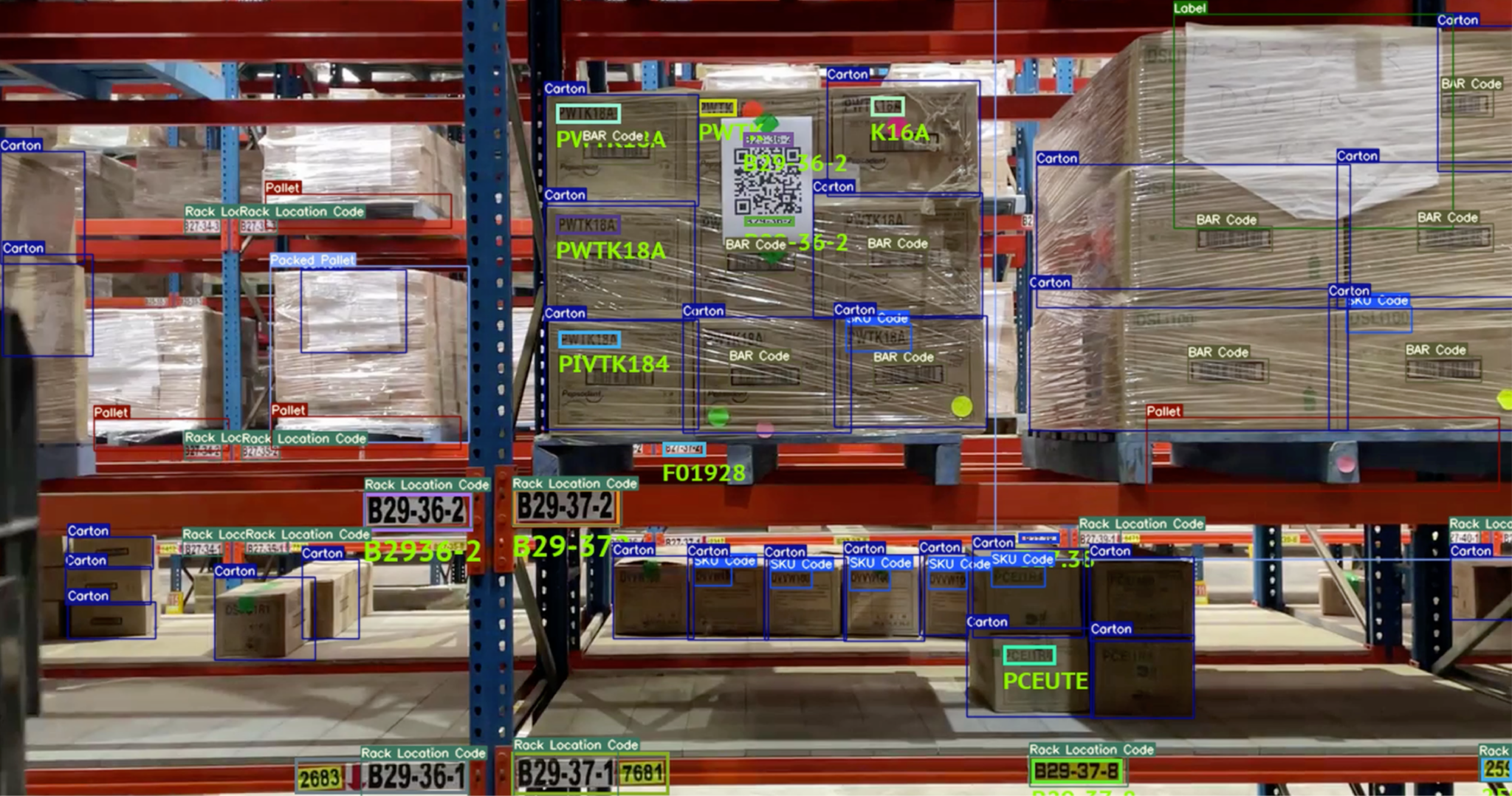
    4. Computer Vision and AI at the Dock Door

    Computer vision addresses one of distribution’s oldest problems: the mismatch between digital records and physical reality.

    Common use cases include:

    • Automated verification of inbound shipments
    • Damage detection during receiving and sortation
    • Dimensioning and cubing for accurate billing
    • Safety monitoring and incident prevention

    By processing images at the edge, modern vision systems provide near-instant feedback without requiring full cloud connectivity [6].

    https://www.dematic.com/content/dam/dematic/images/insights/case-studies/Recieving-1-Werner.jpg

    5. RFID, IoT, and Real-Time Location Systems

    RFID and IoT technologies enable frictionless visibility across the distribution lifecycle.

    https://blogs.nvidia.com/wp-content/uploads/2023/03/KoiTrack-Real-time-Inventory-Visibility.png
    • RFID reduces scan labor and improves cycle count accuracy
    • IoT sensors monitor environmental conditions such as temperature and shock
    • RTLS tracks pallets, equipment, and high-value assets in real time

    Together, these technologies enable event-based inventory visibility, a prerequisite for advanced analytics and AI-driven optimization [7].


    6. Digital Twins for Distribution Center Design and Control

    A digital twin is a continuously updated virtual representation of a physical distribution environment. According to DHL, digital twins allow organizations to simulate operations, predict bottlenecks, and test changes before deploying them physically [8].

    Applications include:

    • Facility layout and automation design
    • Throughput and congestion analysis
    • Peak planning and stress testing
    • Real-time operational monitoring

    7. Agentic AI and Decision Intelligence in Distribution

    AI in distribution is evolving beyond forecasting toward decision intelligence—systems that recommend or initiate actions in real time.

    Gartner identifies agentic AI as a key supply-chain trend, describing systems that continuously sense conditions, evaluate options, and coordinate execution across people and machines [9].

    Examples include:

    • Dynamic slotting and replenishment
    • Automated exception handling
    • Labor and robot workload balancing
    • Inventory prioritization during shortages

    The defining shift is that AI is embedded directly into operational systems rather than operating as a separate analytics function.


    8. Supply Chain Visibility Standards and Event-Based Data

    Distribution networks span multiple organizations, making shared visibility difficult. GS1’s EPCIS standard provides a common event-based language for answering:

    • What happened?
    • Where did it happen?
    • When did it happen?
    • Why did it happen?

    According to GS1, EPCIS enables interoperable, real-time traceability across supply-chain partners [10].


    9. Transportation Technologies and Last-Mile Integration

    Distribution technology increasingly extends beyond the warehouse.

    Key advancements include:

    • AI-driven route optimization
    • Telematics for fleet health and ETA accuracy
    • Electrification and energy-aware routing

    These tools directly impact service reliability, cost-to-serve, and sustainability reporting [11].


    10. Cybersecurity and Operational Resilience

    As distribution becomes cyber-physical, cybersecurity risks increase. Attack surfaces now include robots, IoT sensors, handheld devices, and vendor remote access.

    Resilient distribution systems are designed for graceful degradation—maintaining reduced operations even when digital systems fail [12].


    11. Implementation Strategy: Sequencing, Metrics, and Risks

    Recommended Technology Sequence

    1. Data hygiene and inventory accuracy
    2. Event-based visibility
    3. Execution orchestration (WES/LMS)
    4. Targeted automation
    5. Digital twins and AI optimization
    6. Partner interoperability

    Key Metrics

    • Order cycle time
    • Pick accuracy and travel distance
    • Inventory record accuracy
    • Cost per order
    • Dock-to-stock time

    Common Pitfalls

    • Automating unstable processes
    • Underestimating change management
    • Vendor lock-in through proprietary data models

    12. Conclusion

    New technologies in distribution are not isolated tools—they form a coordinated shift toward event-driven, intelligent execution. Organizations that succeed will focus on data quality, orchestration, and scalability rather than chasing individual automation trends. Distribution’s future belongs to systems that can continuously sense reality, decide intelligently, and act efficiently across complex physical networks.


    13. Further Reading

    Reports & Industry Research

    • DHLLogistics Trend Radar
    • Gartner – Supply Chain Technology Trends
    • McKinsey & Company – Warehouse Automation Insights

    Standards & Technical Resources

    • GS1 – EPCIS and CBV Standards

    Journalism & Case Studies

    • Financial Times – Robotics and logistics reporting

    14. References (APA Style)

    1. Chopra, S., & Meindl, P. (2022). Supply chain management: Strategy, planning, and operation. Pearson.
    2. Christopher, M. (2016). Logistics & supply chain management. Pearson.
    3. DHL. (2024). Logistics Trend Radar 7.0.
    4. McKinsey & Company. (2023). Getting warehouse automation right.
    5. Financial Times. (2025). Robotics expansion in warehouse operations.
    6. Zhang, Z., et al. (2021). Computer vision applications in logistics. IEEE Access.
    7. Karkkainen, M. (2003). Increasing efficiency in supply chains using RFID. International Journal of Retail & Distribution Management.
    8. DHL. (2023). Digital twins in logistics.
    9. Gartner. (2025). Top supply chain technology trends.
    10. GS1. (2024). EPCIS and Core Business Vocabulary.
    11. OECD. (2022). Digital transformation of transport and logistics.
    12. NIST. (2023). Cybersecurity framework for critical infrastructure.
  • Budgeting, Profit Maximization, and Smart Capital Allocation for Small Businesses

    Budgeting, Profit Maximization, and Smart Capital Allocation for Small Businesses

    Introduction

    For many small business owners, budgeting and profit management are among the most misunderstood aspects of operating a company. Early-stage entrepreneurs often focus on acquiring customers, delivering products or services, and generating top-line revenue, while treating budgeting and profit allocation as secondary concerns. Research and practice consistently show, however, that a lack of financial discipline—rather than a lack of demand—is one of the primary causes of small business failure U.S. Small Business Administration.

    Budgeting is not simply about limiting expenses. At its core, it is a system for directing limited resources toward outcomes that compound over time, such as efficiency, resilience, and long-term profitability. Profit maximization is likewise not about short-term extraction of cash, but about building systems that reliably generate surplus value. Finally, allocating profit responsibly is not just “taking money out of the business,” but deciding how to reinvest, protect, and strategically grow the enterprise.

    This article explains how to:

    1. Budget effectively for a small business
    2. Maximize profit through structural and operational decisions
    3. Allocate revenue and profit in ways that support stability, growth, and longevity

    Together, these principles form a practical financial framework that applies across industries, whether the business is service-based, product-driven, or hybrid.


    1. Understanding Business Budgeting at a Small Scale

    What a Business Budget Really Is

    A business budget is a forward-looking financial plan that estimates:

    • Expected income
    • Fixed and variable expenses
    • Cash flow timing
    • Profit margins
    • Capital requirements

    Unlike personal budgets, business budgets must accommodate uncertainty, seasonality, reinvestment needs, and risk exposure. According to financial management literature, effective budgeting enables businesses to anticipate constraints before they become existential threats (Brigham & Ehrhardt, 2020).

    A well-constructed budget answers essential operational questions:

    • How much revenue is required to remain solvent?
    • Which expenses produce returns versus which merely consume cash?
    • How resilient is the business to revenue fluctuations?

    Core Categories in a Small Business Budget

    Most small business budgets can be divided into a small number of functional categories.

    Fixed Operating Costs

    These costs remain relatively stable regardless of output:

    • Rent or workspace
    • Insurance
    • Core software subscriptions
    • Licenses and permits
    • Baseline utilities

    Fixed costs define the break-even threshold, a concept widely discussed in managerial accounting literature (Horngren et al., 2018).


    Variable Costs

    Variable costs scale with production or sales:

    • Raw materials or inventory
    • Shipping and logistics
    • Payment processing fees
    • Per-project contractors

    These costs directly influence gross margin, making them a primary lever for profit improvement.


    Labor Costs

    Labor frequently represents the largest expenditure:

    • Owner compensation
    • Employees and benefits
    • Payroll taxes
    • Contractors

    Labor expenses must be aligned with productivity. Overstaffing erodes margins, while understaffing increases burnout and operational risk (Gelles, 2021).


    Marketing and Sales

    Marketing expenditures include:

    • Advertising
    • Content creation
    • Sales platforms and CRM tools

    Marketing is best treated as an investment channel rather than a discretionary cost, with performance evaluated through measurable return on investment (Kotler & Keller, 2019).


    Capital and Growth Expenses

    These are forward-looking investments:

    • Equipment
    • Training
    • Systems and automation
    • Product or service development

    Such spending determines the future productive capacity of the business.


    2. Building a Practical Budget (Step-by-Step)

    Step 1: Use Conservative Revenue Projections

    Financial planning best practices recommend budgeting with conservative revenue assumptions while maintaining flexibility on the expense side (Damodaran, 2012). This approach protects the business from optimism bias.


    Step 2: Identify Non-Negotiable Expenses

    Non-negotiable expenses include:

    • Rent
    • Insurance
    • Regulatory fees
    • Core operational software

    If baseline revenue cannot reliably cover these expenses, the underlying business model requires revision rather than cost trimming.


    Step 3: Separate Owner Pay From Business Profit

    Blurring personal income with business profit is a leading cause of financial opacity in small firms. Financial advisors and tax authorities such as Internal Revenue Service recommend:

    • Paying the owner a defined salary or draw
    • Treating remaining surplus as business profit

    This separation improves tax planning, performance analysis, and scalability.


    Step 4: Budget for Cash Buffers

    Cash flow volatility is a common failure point for small businesses (CFI, 2022). Budgets should explicitly include:

    • Emergency reserves (3–6 months of expenses)
    • Tax reserves
    • Accounts receivable delays

    3. Maximizing Profit: Beyond Increasing Sales

    Profit Is Structural, Not Accidental

    Profitability emerges from how revenue flows through the business, not simply how much revenue exists. Studies on operational efficiency consistently show that margin improvement often outperforms revenue growth in long-term sustainability (Porter, 2008).


    Optimize Pricing Before Scaling Volume

    Even small pricing adjustments can dramatically affect net income. Pricing research demonstrates that modest price increases frequently produce disproportionate profit gains when demand is relatively inelastic (Nagle & Müller, 2018).


    Improve Gross Margins

    Margin improvement strategies include:

    • Supplier renegotiation
    • Waste reduction
    • Standardized processes
    • Bundling high-margin offerings

    Control Cost Creep

    Recurring expenses such as unused subscriptions and redundant tools quietly erode profitability. Quarterly expense audits are widely recommended in financial operations best practices (McKinsey, 2020).


    Focus on High-Leverage Activities

    Not all revenue is equal. Concentrating on:

    • High-lifetime-value customers
    • Retention and upselling
    • Automation of low-value tasks

    often yields better results than expanding product lines prematurely.


    4. Revenue, Profit, and Cash Flow: Key Distinctions

    • Revenue: Total income generated
    • Profit: Revenue minus all expenses
    • Cash Flow: Timing of money movement

    A business can be profitable but still fail if cash inflows do not align with outflows, a phenomenon extensively documented in small business finance research (Brealey et al., 2020).


    5. Allocating Revenue Using a Structured Model

    A common framework divides incoming revenue into predefined allocations:

    • Operating expenses: 40–55%
    • Owner compensation: 15–25%
    • Taxes: 10–20%
    • Reinvestment: 5–15%
    • Profit reserves: 5–10%

    This approach introduces intentionality and predictability into financial decision-making.


    6. Strategic Use of Profit

    Build Reserves First

    Financial resilience precedes expansion.

    Reinvest With Purpose

    Reinvestment should:

    • Increase capacity
    • Reduce costs
    • Improve margins

    Owner Distributions

    Distributions should be:

    • Planned
    • Periodic
    • Separate from operating cash

    Debt Reduction

    Reducing high-interest debt yields risk-free returns.


    7. Budgeting for Growth Without Overextension

    Growth introduces complexity and risk. Financial planning literature emphasizes staged, measurable expansion over aggressive scaling (Blank, 2013).


    8. Common Budgeting Mistakes

    • Confusing revenue with success
    • Ignoring taxes until year-end
    • Over-hiring prematurely
    • Underpricing due to fear
    • Treating profit as leftover cash

    9. Continuous Financial Review

    Budgets should be reviewed:

    • Monthly (cash flow)
    • Quarterly (expenses and margins)
    • Annually (strategy)

    Financial awareness compounds over time.


    Conclusion

    Budgeting, profit maximization, and capital allocation are not advanced techniques reserved for large corporations. They are core survival skills for small businesses. Organizations that manage money intentionally are more resilient, more scalable, and more capable of weathering uncertainty.

    A disciplined budget provides clarity rather than restriction. Profit, when treated as a strategic resource, becomes a tool for stability and growth. Thoughtful allocation ensures that success today strengthens—not undermines—the future.


    References

    • Blank, S. (2013). The startup owner’s manual. K&S Ranch.
    • Brealey, R., Myers, S., & Allen, F. (2020). Principles of corporate finance. McGraw-Hill.
    • Brigham, E., & Ehrhardt, M. (2020). Financial management: Theory & practice. Cengage.
    • Damodaran, A. (2012). Investment valuation. Wiley.
    • Gelles, D. (2021). The man who broke capitalism. Simon & Schuster.
    • Horngren, C., Datar, S., & Rajan, M. (2018). Cost accounting. Pearson.
    • Kotler, P., & Keller, K. (2019). Marketing management. Pearson.
    • McKinsey & Company. (2020). Financial discipline in small and mid-sized firms.
    • Nagle, T., & Müller, G. (2018). The strategy and tactics of pricing. Routledge.
    • Porter, M. (2008). Competitive strategy. Free Press.
    • U.S. Small Business Administration. (n.d.). Financial management resources.
    • Internal Revenue Service. (n.d.). Small business tax guide.
  • How to Start a Business: Legal, Financial, and Structural Foundations

    How to Start a Business: Legal, Financial, and Structural Foundations

    Written by Alexander Christian Greco

    With the Help of ChatGPT


    Starting a business is often framed as an act of creativity or ambition, but in practice it is first and foremost a legal and financial process. Before marketing strategies, branding decisions, or growth plans can succeed, a business must be properly structured, registered, and compliant with regulatory and tax requirements. Failure to establish these foundations can expose founders to personal liability, tax penalties, banking restrictions, or forced closure.

    This article focuses exclusively on the initial formation phase of a business in the United States, emphasizing the legal, financial, and administrative steps required to operate legitimately, protect the owner, and support long-term sustainability.


    Table of Contents

    1. What It Means to Start a Business
    2. Choosing a Business Structure
    3. Registering the Business
    4. Obtaining an EIN and Tax Identification
    5. Licenses, Permits, and Regulatory Compliance
    6. Business Banking and Financial Separation
    7. Accounting Systems and Recordkeeping
    8. Understanding Business Taxes
    9. Startup Costs and Financial Planning
    10. Insurance and Risk Management
    11. Contracts and Legal Documentation
    12. Conclusion
    13. Business Startup Checklist
    14. Further Reading
    15. References

    1. What It Means to Start a Business

    A business is officially considered “started” when it satisfies three conditions:

    1. Legal recognition by a governing authority
    2. Financial separation from its owner
    3. Tax accountability as an entity

    Selling goods or services informally—through cash payments, online platforms, or side work—does not constitute a legally formed business. Formalization matters because it determines liability exposure, tax treatment, eligibility for banking and credit, and compliance obligations (U.S. Small Business Administration, 2024).


    2. Choosing a Business Structure

    https://cdn.mycorporation.com/www/img/hero/business-entity-comparison-chart.jpg

    A business structure defines how ownership, liability, and taxation are handled.

    Sole Proprietorship

    The simplest structure, requiring no formal state registration beyond local licensing. The owner and business are legally identical, meaning all debts and legal claims attach directly to personal assets. Income is reported on the owner’s personal tax return.

    Limited Liability Company (LLC)

    An LLC creates legal separation between the owner and the business, protecting personal assets in most cases. LLCs offer flexible taxation options and relatively simple compliance, making them the most common structure for small businesses (IRS, 2023).

    Corporation (C-Corp or S-Corp)

    Corporations are independent legal entities with stricter compliance requirements. They are often chosen by businesses seeking external investment, issuing shares, or planning large-scale expansion (SEC, 2023).

    🔗 Structure guidance:
    https://www.sba.gov/business-guide/launch-your-business/choose-business-structure


    3. Registering the Business

    Registration establishes a business as a recognized legal entity.

    Core Steps

    • Choose and verify a unique business name
    • File formation documents with the state
    • Designate a registered agent
    • Receive confirmation of formation

    Registration requirements vary by state and structure.

    🔗 Registration resources:


    4. How to Apply for an EIN (Employer Identification Number)

    An Employer Identification Number (EIN) is the federal tax identification number for your business. It is issued by the Internal Revenue Service and functions much like a Social Security number, but for a legal entity rather than an individual.

    Why an EIN Exists

    The EIN allows the IRS and other institutions to:

    • Track business tax filings
    • Associate payroll and withholding obligations
    • Identify business bank accounts and financial activity
    • Separate business tax identity from personal identity

    Even if your business has no employees, an EIN is still recommended to avoid using your personal Social Security number for banking, contracts, or tax documents.


    Who Needs an EIN

    You must obtain an EIN if your business:

    • Is an LLC, partnership, or corporation
    • Plans to hire employees
    • Opens a business bank account
    • Files federal excise or employment taxes

    Sole proprietors without employees can use their SSN, but most still obtain an EIN for privacy and professionalism.


    How to Apply (Step-by-Step)

    Step 1: Confirm Eligibility
    You must have:

    • A valid U.S. taxpayer identification number (SSN, ITIN, or EIN)
    • A business legally formed or in the process of formation

    Step 2: Apply Online (Fastest Method)
    The IRS online EIN application is free and immediate.

    🔗 Apply here:
    https://www.irs.gov/businesses/small-businesses-self-employed/apply-for-an-employer-identification-number-ein-online

    Step 3: Complete IRS Form SS-4 (Digitally)
    You will be asked for:

    • Legal business name
    • Trade name (DBA), if applicable
    • Business address
    • Responsible party (owner or manager)
    • Entity type (LLC, corporation, etc.)
    • Reason for applying (new business, banking, hiring)

    Step 4: Receive EIN Confirmation
    If completed online, your EIN is issued immediately as a downloadable confirmation letter (CP 575).


    Common EIN Mistakes

    • Applying before forming the business (for LLCs/corps)
    • Applying multiple times unnecessarily
    • Paying third-party services (the IRS application is free)
    • Using incorrect entity classification

    5. Licenses and Permits: Why They Exist, How to Find Them, and How to Get Them

    Licenses and permits regulate who can legally operate, where, and under what conditions. They exist to protect public safety, ensure fair taxation, and enforce professional standards.


    Common Reasons Businesses Need Licenses or Permits

    Licenses are typically required when a business:

    • Sells taxable goods or services
    • Operates in a regulated industry (health, finance, construction)
    • Uses physical premises open to the public
    • Operates from a residential location
    • Handles sensitive data or hazardous materials

    Common License and Permit Types

    General Business License
    Required by many cities or counties to operate within their jurisdiction.

    Sales Tax Permit (Seller’s Permit)
    Required if you sell taxable goods or services.

    Professional or Occupational License
    Required for regulated professions (e.g., contractors, accountants, cosmetologists).

    Health and Safety Permits
    Required for food service, childcare, manufacturing, or healthcare businesses.

    Zoning and Home Occupation Permits
    Required if operating from a residence.


    How to Find Out What You Need

    The most reliable method is a layered search approach:

    1. Federal requirements (rare but industry-specific)
    2. State-level licenses
    3. County or city licenses

    🔗 License lookup tools:

    Many states also offer business “license wizards” through their Secretary of State or Department of Revenue websites.


    How to Apply for Licenses and Permits

    Most applications require:

    • EIN
    • Business registration documents
    • Owner identification
    • Application fee
    • Proof of insurance (sometimes)

    Approval timelines range from same-day to several weeks, depending on industry.


    6. How to Open a Business Bank Account

    https://images.squarespace-cdn.com/content/v1/63dbde357c9f0a7105a1dad5/d391fa58-a803-4c3d-8bbc-0547c062abd2/Steps%2Bto%2BBuild%2Ba%2BSolid%2BBookkeeping%2BSystem.png

    A business bank account is legally and financially essential. It establishes financial separation, which protects liability status and simplifies accounting.


    Why Business Banking Matters

    • Prevents commingling of funds
    • Strengthens liability protection
    • Enables accurate accounting
    • Required for loans, payroll, and payment processing

    What Banks Require

    Most banks require:

    • EIN
    • Articles of Organization or Incorporation
    • Operating Agreement (LLC)
    • Business license (if applicable)
    • Government-issued ID

    How to Apply

    Step 1: Choose a bank
    Consider fees, online tools, integration with accounting software, and customer support.

    Step 2: Gather documents
    Have digital copies ready.

    Step 3: Apply in person or online
    Approval is often same-day.

    Step 4: Deposit opening funds
    Many accounts require a minimum opening deposit.


    Common Mistakes

    • Using a personal account for business income
    • Opening accounts before EIN issuance
    • Not understanding transaction limits or fees

    7. Developing Accurate Accounting Systems

    https://www.slideteam.net/media/catalog/product/cache/1280x720/b/u/business_operations_accounting_flow_chart_slide01.jpg

    Accounting tracks what the business earns, spends, owns, and owes. Accurate accounting is legally required and critical for decision-making.


    Core Accounting Components

    • Income tracking
    • Expense categorization
    • Receipt retention
    • Bank reconciliation
    • Financial statements (P&L, balance sheet)

    Accounting Methods

    Cash Basis
    Records income when received and expenses when paid. Simpler and common for small businesses.

    Accrual Basis
    Records income when earned and expenses when incurred. Required for larger businesses.


    Accounting Software (Common Options)


    IRS Recordkeeping Guidance

    🔗 https://www.irs.gov/businesses/small-businesses-self-employed/recordkeeping


    8. Resources for Understanding Business Taxes

    Business taxes differ significantly from personal taxes.


    Common Business Taxes

    • Federal income tax
    • Self-employment tax
    • State income tax
    • Sales tax
    • Payroll taxes

    Key Educational Resources


    9. Startup Costs and Financial Planning

    Startup costs are expenses incurred before and immediately after launch.


    Common Startup Expenses

    • Registration and filing fees
    • Licenses and permits
    • Insurance premiums
    • Accounting and legal services
    • Software subscriptions
    • Equipment and inventory

    How to Calculate Startup Costs

    1. List all one-time costs
    2. List monthly recurring costs
    3. Multiply monthly costs by 6–12 months
    4. Add a contingency buffer (10–20%)

    This creates a minimum viable operating budget.


    10. Insurance Costs and Risk Management

    Insurance transfers risk away from the business.


    Common Insurance Types & Average Costs

    • General liability: $40–$80/month
    • Professional liability: $50–$150/month
    • Property insurance: $30–$100/month
    • Cyber liability: $50–$200/month
    • Workers’ compensation: varies by payroll

    Costs depend on industry, location, and risk profile.

    🔗 SBA Insurance Guide:
    https://www.sba.gov/business-guide/launch-your-business/get-business-insurance


    11. Creating Contracts and Legal Documents

    https://www.slideteam.net/wp/wp-content/uploads/2023/03/One-page-operating-agreement-report-presentation.png

    Contracts define rights, obligations, and expectations.


    Essential Documents

    • Operating Agreement (LLC)
    • Client or service agreements
    • Terms and conditions
    • Privacy policies
    • Vendor agreements

    How to Create Contracts

    Option 1: Attorney-Drafted
    Best for complex or high-risk businesses.

    Option 2: Reputable Legal Platforms

    Option 3: Hybrid Approach
    Template + attorney review.


    Common Contract Mistakes

    • Using generic templates without customization
    • Missing jurisdiction or governing law clauses
    • No termination or dispute resolution clauses

    Final Note

    These steps form the legal and financial backbone of any legitimate business. While they may seem administrative, they protect personal assets, enable compliance, and provide operational clarity. Businesses that skip or rush these foundations often face costly corrections later.


    Conclusion

    Starting a business is fundamentally an exercise in legal formation and financial discipline. Establishing the correct structure, registering properly, separating finances, maintaining accurate records, and complying with tax and licensing requirements creates a stable platform for all future activity.

    While these steps may feel administrative, they protect personal assets, enable lawful operation, and support long-term sustainability. A strong foundation does not guarantee success, but a weak one almost guarantees failure.


    Business Startup Checklist

    Legal Formation

    ☐ Choose a business structure
    ☐ Register the business with the state
    ☐ Obtain an EIN
    ☐ Draft an operating agreement

    Compliance

    ☐ Identify required licenses and permits
    ☐ Register for sales tax (if applicable)
    ☐ Verify local zoning requirements

    Financial Setup

    ☐ Open business bank accounts
    ☐ Set up accounting system
    ☐ Separate personal and business finances
    ☐ Create a startup budget

    Risk Management

    ☐ Obtain appropriate insurance
    ☐ Draft contracts and policies
    ☐ Establish recordkeeping procedures


    Further Reading


    References

  • Budgeting as a Tool for Stability, Growth, and Better Living

    Budgeting as a Tool for Stability, Growth, and Better Living

    Written by Alexander Christian Greco

    With the Help of ChatGPT


    A Practical How-To Guide for Every Income Level


    Disclosure

    This article was developed with the assistance of ChatGPT, an AI language model created by OpenAI, and curated, reviewed, and structured by the author. ChatGPT was used as a drafting and organizational tool to assist in producing clear educational content. The author retains full responsibility for the interpretation, application, and contextual use of the information presented. This article is intended for educational purposes only and does not constitute financial, legal, or investment advice.


    Introduction: Budgeting Is Not About Restriction — It’s About Control

    Budgeting is often misunderstood as a tool for deprivation — cutting joy, denying comfort, or obsessing over pennies. In reality, budgeting is a decision-making system that allows individuals to allocate limited resources toward stability, comfort, opportunity, and long-term improvement, regardless of income level¹².

    People at every income level face financial pressure. Lower-income households must carefully manage essentials, middle-income households often struggle with lifestyle inflation and hidden costs, and higher-income earners may experience financial stress due to poor financial structure despite higher earnings³⁴.

    This article presents budgeting as a practical, adaptable framework — not a rigid formula — designed to:

    • Improve day-to-day living conditions
    • Reduce financial anxiety
    • Create upward mobility at any income level
    • Turn money into a tool rather than a source of stress⁵

    Series Context

    This article serves as Part 1 in a broader budgeting and personal finance series. Subsequent articles will expand on the concepts introduced here, offering deeper guidance on budgeting systems, behavioral finance, income variability, debt management, and long-term planning⁷⁸.


    The Core Purpose of Budgeting

    Before numbers, spreadsheets, or apps, budgeting begins with intent¹.

    What Budgeting Actually Does

    Research and practice show that effective budgeting helps individuals¹²:

    • Pay essential expenses reliably
    • Prevent financial shocks from becoming crises
    • Reduce waste and inefficiency
    • Create opportunities for education, relocation, and career mobility
    • Improve housing, health, and overall quality of life over time³⁶

    Budgeting is not about perfection — it is about direction².


    Step 1 — Understand Your True Financial Reality

    1. Calculate Real Monthly Income

    Effective budgeting begins with net income, not gross salary⁹. This includes:

    • Wages or salary
    • Side or freelance income
    • Government benefits
    • Child support or assistance

    For individuals with variable income, financial planners recommend budgeting based on the lowest reliable monthly income, not peak earnings¹⁰.

    2. Track Real Expenses (Without Judgment)

    Accurate expense tracking should include¹¹:

    • Housing
    • Utilities
    • Food
    • Transportation
    • Insurance
    • Subscriptions
    • Debt payments
    • Medical costs
    • Discretionary spending

    The goal is financial clarity, not moral judgment⁶.


    Step 2 — Categorize Expenses by Priority

    Behavioral and financial research supports categorizing expenses by functional priority¹².

    Layer 1: Survival Essentials

    Expenses required for basic functioning³:

    • Housing
    • Utilities
    • Food
    • Transportation
    • Healthcare
    • Minimum debt payments

    Layer 2: Stability Builders

    Expenses that reduce future risk¹³:

    • Emergency savings
    • Insurance
    • Maintenance
    • Debt reduction
    • Retirement contributions

    Layer 3: Quality of Life & Growth

    Expenses that improve long-term well-being¹⁴:

    • Education
    • Fitness
    • Entertainment
    • Travel
    • Hobbies
    • Lifestyle upgrades

    Step 3 — Use a Flexible Budgeting System

    No single budgeting system works universally¹².

    Common approaches include:

    • Zero-based budgeting
    • Proportional budgeting (e.g., 50/30/20)²⁰
    • Envelope systems
    • Pay-yourself-first models¹³

    The most effective system is one that is sustainable and adaptable².


    Step 4 — Budget for Change, Not Just Maintenance

    Long-term financial well-being improves when budgets intentionally allocate resources toward change⁷.

    Examples include:

    • Education and certifications
    • Relocation
    • Career transitions
    • Health improvements
    • Debt elimination goals³

    Budgeting on a Low Income (Stability First)

    Low-income budgeting prioritizes stability before optimization¹⁵.

    Key Principles

    • Predictability is more important than precision
    • Small emergency buffers significantly reduce hardship¹³
    • Income volatility must be managed alongside expenses¹⁰

    Practical Strategies

    1. Automate essential payments to avoid late fees
    2. Build a micro-emergency fund ($250–$500)
    3. Simplify food spending through planning and staples
    4. Avoid predatory financial products¹⁶

    Improving Living Conditions on Low Income

    • Prioritize safe and stable housing³
    • Reduce transportation costs when possible
    • Budget for health fundamentals
    • Save toward small quality-of-life improvements⁶

    Budgeting on a Middle Income (Control and Direction)

    Middle-income households often face financial strain due to inefficiency rather than income insufficiency¹⁷.

    Common Problems

    • Lifestyle inflation¹⁸
    • Invisible discretionary spending
    • Overcommitment to fixed costs³

    Practical Strategies

    • Cap lifestyle inflation
    • Audit fixed expenses annually
    • Separate emergency savings from opportunity savings¹³

    Improving Living Conditions on Middle Income

    • Invest in preventive healthcare⁶
    • Improve home ergonomics
    • Reduce time stress through automation
    • Upgrade housing strategically¹⁴

    Budgeting on a High Income (Alignment and Sustainability)

    High income alone does not ensure financial security¹⁸.

    Key Principles

    • Structure preserves flexibility¹
    • Intentional spending supports long-term freedom
    • Time is a limited and valuable resource¹⁹

    Practical Strategies

    • Define spending ceilings
    • Automate investing and retirement contributions
    • Budget for time-saving services⁷

    Psychological Barriers to Budgeting

    Behavioral research identifies several barriers⁶:

    • Shame and avoidance
    • Fear of financial awareness
    • Perfectionism
    • Social comparison

    Reframing budgeting as a navigation tool improves consistency and outcomes¹⁹.


    Budgeting as a Long-Term Skill

    Budgeting is a lifelong adaptive skill, not a one-time intervention²¹.

    Over time, budgeting supports:

    • Housing stability
    • Improved health outcomes
    • Reduced stress
    • Career flexibility
    • Increased autonomy³

    Conclusion: Budgeting Is About Building a Better Life

    Budgeting enables intentional living across all income levels¹². While financial stress is widespread, clarity and structure consistently improve financial outcomes³⁴.

    Series Continuation

    This article serves as the foundation for a larger educational series that will further elaborate on budgeting systems, behavioral finance, and real-world financial decision-making⁷⁸.


    References (APA Style, Numbered)

    1. Thaler, R. H., & Sunstein, C. R. (2008). Nudge: Improving decisions about health, wealth, and happiness. Yale University Press.
    2. Kahneman, D. (2011). Thinking, fast and slow. Farrar, Straus and Giroux.
    3. Federal Reserve Board. (2023). Economic well-being of U.S. households.
    4. U.S. Bureau of Labor Statistics. (2023). Consumer expenditure survey.
    5. OECD. (2020). Financial well-being framework.
    6. World Health Organization. (2019). Financial stress and health outcomes.
    7. Consumer Financial Protection Bureau. (n.d.). Budgeting and financial planning.
    8. Lusardi, A., & Mitchell, O. S. (2014). The economic importance of financial literacy. Journal of Economic Literature.
    9. IRS. (n.d.). Understanding gross vs. net income.
    10. Morduch, J., & Schneider, R. (2017). The financial diaries. Princeton University Press.
    11. National Endowment for Financial Education. (2022). Tracking spending fundamentals.
    12. Mintzberg, H. (1989). Mintzberg on management. Free Press.
    13. Vanguard. (2022). Emergency savings and financial resilience.
    14. OECD. (2017). How’s life? Measuring well-being.
    15. Brookings Institution. (2021). Poverty and household financial stability.
    16. Pew Charitable Trusts. (2020). The impact of payday lending.
    17. Pew Research Center. (2023). Middle-income households.
    18. Duesenberry, J. (1949). Income, saving, and the theory of consumer behavior.
    19. Mullainathan, S., & Shafir, E. (2013). Scarcity. Times Books.
    20. Sethi, R. (2019). I will teach you to be rich. Workman Publishing.
    21. World Economic Forum. (2020). Future of financial literacy.
  • Budgeting as a Tool for Stability, Growth, and Better Living

    Budgeting as a Tool for Stability, Growth, and Better Living

    A Practical How-To Guide for Every Income Level

    Written by Alexander Christian Greco

    With the Help of ChatGPT


    Abstract


    This article presents budgeting as a practical, adaptable life skill rather than a restrictive financial practice¹². Designed as a comprehensive how-to guide, it addresses budgeting across low, middle, and high income levels, emphasizing stability, quality of life improvements, and long-term opportunity creation³⁴. Rather than focusing solely on expense tracking, the article frames budgeting as a decision-making framework that supports housing security, health, career mobility, and psychological well-being⁵⁶. This piece serves as the foundation for a multi-article series that will further elaborate on budgeting systems, behavioral finance, income volatility, debt strategies, and long-term financial planning⁷.


    Disclosure

    This article was developed with the assistance of ChatGPT, an AI language model created by OpenAI, and curated, reviewed, and structured by the author. ChatGPT was used as a drafting and organizational tool to assist in producing clear educational content. The author retains full responsibility for the interpretation, application, and contextual use of the information presented. This article is intended for educational purposes only and does not constitute financial, legal, or investment advice.


    Introduction: Budgeting Is Not About Restriction — It’s About Control

    Budgeting is often misunderstood as a tool for deprivation — cutting joy, denying comfort, or obsessing over pennies. In reality, budgeting is a decision-making system that allows individuals to allocate limited resources toward stability, comfort, opportunity, and long-term improvement, regardless of income level¹².

    People at every income level face financial pressure. Lower-income households must carefully manage essentials, middle-income households often struggle with lifestyle inflation and hidden costs, and higher-income earners may experience financial stress due to poor financial structure despite higher earnings³⁴.

    This article presents budgeting as a practical, adaptable framework — not a rigid formula — designed to:

    Improve day-to-day living conditions

    Reduce financial anxiety

    Create upward mobility at any income level

    Turn money into a tool rather than a source of stress⁵


    Series Context

    This article serves as Part 1 in a broader budgeting and personal finance series. Subsequent articles will expand on the concepts introduced here, offering deeper guidance on budgeting systems, behavioral finance, income variability, debt management, and long-term planning⁷⁸.


    Part I: The Core Purpose of Budgeting

    Before numbers, spreadsheets, or apps, budgeting begins with intent¹.

    What Budgeting Actually Does

    Research and practice show that effective budgeting helps individuals¹²:

    Pay essential expenses reliably

    Prevent financial shocks from becoming crises

    Reduce waste and inefficiency

    Create opportunities for education, relocation, and career mobility

    Improve housing, health, and overall quality of life over time³⁶


    Budgeting is not about perfection — it is about direction².


    Part II: Step 1 — Understand Your True Financial Reality

    1. Calculate Real Monthly Income

    Effective budgeting begins with net income, not gross salary⁹. This includes:

    Wages or salary

    Side or freelance income

    Government benefits

    Child support or assistance


    For individuals with variable income, financial planners recommend budgeting based on the lowest reliable monthly income, not peak earnings¹⁰.

    2. Track Real Expenses (Without Judgment)

    Accurate expense tracking should include¹¹:

    Housing

    Utilities

    Food

    Transportation

    Insurance

    Subscriptions

    Debt payments

    Medical costs

    Discretionary spending


    The goal is financial clarity, not moral judgment⁶.


    Part III: Step 2 — Categorize Expenses by Priority

    Behavioral and financial research supports categorizing expenses by functional priority¹².

    Layer 1: Survival Essentials

    Expenses required for basic functioning³:

    Housing

    Utilities

    Food

    Transportation

    Healthcare

    Minimum debt payments


    Layer 2: Stability Builders

    Expenses that reduce future risk¹³:

    Emergency savings

    Insurance

    Maintenance

    Debt reduction

    Retirement contributions


    Layer 3: Quality of Life & Growth

    Expenses that improve long-term well-being¹⁴:

    Education

    Fitness

    Entertainment

    Travel

    Hobbies

    Lifestyle upgrades


    Part IV: Budgeting on a Low Income (Stability First)

    Low-income budgeting prioritizes stability before optimization¹⁵.

    Key Principles

    Predictability is more important than precision

    Small emergency buffers significantly reduce hardship¹³

    Income volatility must be managed alongside expenses¹⁰


    Practical Strategies

    1. Automate essential payments to avoid late fees


    2. Build a micro-emergency fund ($250–$500)


    3. Simplify food spending through planning and staples


    4. Avoid predatory financial products¹⁶


    Improving Living Conditions on Low Income

    Prioritize safe and stable housing³

    Reduce transportation costs when possible

    Budget for health fundamentals

    Save toward small quality-of-life improvements⁶


    Part V: Budgeting on a Middle Income (Control and Direction)

    Middle-income households often face financial strain due to inefficiency rather than income insufficiency¹⁷.

    Common Problems

    Lifestyle inflation¹⁸

    Invisible discretionary spending

    Overcommitment to fixed costs³


    Practical Strategies

    Cap lifestyle inflation

    Audit fixed expenses annually

    Separate emergency savings from opportunity savings¹³


    Improving Living Conditions on Middle Income

    Invest in preventive healthcare⁶

    Improve home ergonomics

    Reduce time stress through automation

    Upgrade housing strategically¹⁴


    Part VI: Budgeting on a High Income (Alignment and Sustainability)

    High income alone does not ensure financial security¹⁸.

    Key Principles

    Structure preserves flexibility¹

    Intentional spending supports long-term freedom

    Time is a limited and valuable resource¹⁹


    Practical Strategies

    Define spending ceilings

    Automate investing and retirement contributions

    Budget for time-saving services⁷


    Part VII: Step 3 — Use a Flexible Budgeting System

    No single budgeting system works universally¹².

    Common approaches include:

    Zero-based budgeting

    Proportional budgeting (e.g., 50/30/20)²⁰

    Envelope systems

    Pay-yourself-first models¹³


    The most effective system is one that is sustainable and adaptable².


    Part VIII: Step 4 — Budget for Change, Not Just Maintenance

    Long-term financial well-being improves when budgets intentionally allocate resources toward change⁷.

    Examples include:

    Education and certifications

    Relocation

    Career transitions

    Health improvements

    Debt elimination goals³


    Part IX: Psychological Barriers to Budgeting

    Behavioral research identifies several barriers⁶:

    Shame and avoidance

    Fear of financial awareness

    Perfectionism

    Social comparison


    Reframing budgeting as a navigation tool improves consistency and outcomes¹⁹.


    Part X: Budgeting as a Long-Term Skill

    Budgeting is a lifelong adaptive skill, not a one-time intervention²¹.

    Over time, budgeting supports:

    Housing stability

    Improved health outcomes

    Reduced stress

    Career flexibility

    Increased autonomy³


    Conclusion: Budgeting Is About Building a Better Life

    Budgeting enables intentional living across all income levels¹². While financial stress is widespread, clarity and structure consistently improve financial outcomes³⁴.

    Series Continuation

    This article serves as the foundation for a larger educational series that will further elaborate on budgeting systems, behavioral finance, and real-world financial decision-making⁷⁸.


    References (APA Style, Numbered)

    1. Thaler, R. H., & Sunstein, C. R. (2008). Nudge: Improving decisions about health, wealth, and happiness. Yale University Press.


    2. Kahneman, D. (2011). Thinking, fast and slow. Farrar, Straus and Giroux.


    3. Federal Reserve Board. (2023). Economic well-being of U.S. households.


    4. U.S. Bureau of Labor Statistics. (2023). Consumer expenditure survey.


    5. OECD. (2020). Financial well-being framework.


    6. World Health Organization. (2019). Financial stress and health outcomes.


    7. Consumer Financial Protection Bureau. (n.d.). Budgeting and financial planning.


    8. Lusardi, A., & Mitchell, O. S. (2014). The economic importance of financial literacy. Journal of Economic Literature.


    9. IRS. (n.d.). Understanding gross vs. net income.


    10. Morduch, J., & Schneider, R. (2017). The financial diaries. Princeton University Press.


    11. National Endowment for Financial Education. (2022). Tracking spending fundamentals.


    12. Mintzberg, H. (1989). Mintzberg on management. Free Press.


    13. Vanguard. (2022). Emergency savings and financial resilience.


    14. OECD. (2017). How’s life? Measuring well-being.


    15. Brookings Institution. (2021). Poverty and household financial stability.


    16. Pew Charitable Trusts. (2020). The impact of payday lending.


    17. Pew Research Center. (2023). Middle-income households.


    18. Duesenberry, J. (1949). Income, saving, and the theory of consumer behavior.


    19. Mullainathan, S., & Shafir, E. (2013). Scarcity. Times Books.


    20. Sethi, R. (2019). I will teach you to be rich. Workman Publishing.


    21. World Economic Forum. (2020). Future of financial literacy.