Category: Food

  • Gardening Skills Fundamentals

    Gardening Skills Fundamentals

    Written by Alexander Christian Greco

    With the Help of ChatGPT

    How to Start Gardening and Small-Scale Farming: Planting, Growing, and Harvesting

    https://www.marthastewart.com/thmb/kueHecJM0UT-5Z-vwF7ErbtxSac%3D/1500x0/filters%3Ano_upscale%28%29%3Amax_bytes%28150000%29%3Astrip_icc%28%29/ms-vegetable-garden-ideas-9d529572761740f1b8b0234ac9bc2207.jpg

    Introduction

    Gardening represents one of humanity’s oldest and most enduring relationships with the natural world. Long before industrial agriculture, food production depended on small-scale cultivation, seasonal knowledge, and intimate familiarity with soil and climate. Today, gardening remains both a practical skill and an educational gateway into broader agricultural systems, sustainability, and ecological literacy.

    https://joegardener.com/wp-content/uploads/2018/03/Featured-Image.jpg

    For beginners, gardening can appear deceptively simple—plant seeds, water them, and wait. In practice, successful gardening depends on understanding biological cycles, soil systems, plant needs, and environmental variables (Hartmann et al., 2018). Small-scale gardening and farming emphasize knowledge density rather than land area, making skill development far more important than physical scale (FAO, 2022).

    This article develops the foundational gardening skills required to begin gardening or small-scale farming. It focuses on the three central phases of plant production—planting, growing, and harvesting—beginning with a high-level systems overview and progressing toward practical, small-scale applications.

    https://kellogggarden.com/wp-content/uploads/2020/03/Community-Vegetable-Garden.jpg

    Part I: The Gardening Lifecycle – A Systems Overview

    https://media.geeksforgeeks.org/wp-content/uploads/20240328111848/Diagram-of-Seed-Germination.png

    All gardening systems, regardless of scale or technology, follow a predictable biological lifecycle. Understanding this lifecycle allows gardeners to anticipate needs, prevent problems, and optimize yield rather than reacting to issues after they occur (Raven, Evert, & Eichhorn, 2013).

    The Five Core Phases

    1. Preparation – soil conditioning, planning, and plant selection
    2. Planting – introducing seeds or transplants into the soil
    3. Growth and Maintenance – supporting vegetative and reproductive development
    4. Harvesting – removing crops at optimal maturity
    5. Soil Recovery – restoring fertility and structure for future cycles

    Small-scale gardening allows individuals to observe these phases directly and repeatedly, accelerating learning compared to industrial-scale systems where processes are abstracted and mechanized (Pretty, 2018).


    Part II: Core Gardening Skills — The Foundations

    https://cdn.shopify.com/s/files/1/2954/2248/files/Interpreting-Your-Results_1200x.png?v=1758286320

    Soil: The Primary Medium of Life

    Soil is a living ecosystem, not an inert substrate. Productive soil contains mineral particles, organic matter, water, air, and diverse microbial communities that regulate nutrient availability and root health (Brady & Weil, 2017).

    Common Soil Types

    • Sandy soils drain quickly but lose nutrients rapidly
    • Clay soils retain nutrients but restrict drainage and root growth
    • Loamy soils balance drainage, fertility, and structure

    Most small-scale gardeners improve existing soil rather than replacing it entirely, using compost, mulching, and reduced tillage to build fertility over time (Montgomery, 2017).

    Composting as a Soil Skill

    Composting recycles organic waste into biologically active fertilizer. Backyard compost systems convert kitchen scraps, leaves, and plant residues into humus, improving soil structure and nutrient cycling (EPA, 2023).

    Benefits include:

    • Increased water retention
    • Improved microbial diversity
    • Reduced reliance on synthetic fertilizers

    Sunlight and Microclimates

    Photosynthesis drives all plant growth. Most vegetables require 6–8 hours of direct sunlight daily, though leafy greens tolerate partial shade (Brickell et al., 2016).

    Small-scale gardeners benefit from identifying microclimates—areas where walls, slopes, or trees alter temperature, wind, or sunlight exposure—allowing better crop placement.

    Water Management Principles

    Water stress is a leading cause of poor yields. Effective watering emphasizes:

    • Deep, infrequent watering to promote root depth
    • Early-day watering to reduce fungal disease
    • Adjustments based on soil type and weather

    Understanding soil moisture is more important than rigid schedules (Horticultural Society, 2020).


    Part III: Planting Skills — Translating Plans into Growth

    https://www.thespruce.com/thmb/R54l2XLs0d5xagi3WP_mYNMgwK4%3D/4500x0/filters%3Ano_upscale%28%29%3Amax_bytes%28150000%29%3Astrip_icc%28%29/how-to-direct-sow-garden-seeds-2539874-hero-32074607f4f94af9a5260980f98280c6.jpg

    Crop Selection for Beginners

    Successful early gardens prioritize crops that are:

    • Fast-growing (radishes, lettuce)
    • Hardy (beans, peas, potatoes)
    • High-yield relative to space (zucchini, tomatoes)
    https://cdn.shopify.com/s/files/1/0089/1562/files/SeedsNow_Organic_Gardening_Ebook-2_775998fc-c5b3-4cd1-804c-36388dabbe1c.jpg?v=1549589691

    Local climate suitability matters more than novelty or popularity (FAO, 2022).

    Seeds vs. Transplants

    Seeds offer affordability and genetic diversity but require patience and proper conditions.
    Transplants reduce early-stage risk and shorten time to harvest but increase cost.

    Many small-scale gardeners use a hybrid approach to balance reliability and learning.

    Planting Depth and Spacing

    Incorrect spacing is a frequent beginner error. Overcrowding increases disease pressure and reduces yields by forcing plants to compete for light, water, and nutrients (Hartmann et al., 2018).

    General guidelines:

    • Plant seeds 2–3× their size in depth
    • Follow spacing recommendations for mature plant size
    https://www.botanicalinterests.com/community/blog/wp-content/uploads/2025/03/A-shot-of-a-person-inspecting-nursery-pots.jpg

    Seasonal Timing

    Understanding frost dates and temperature thresholds is essential. Crops fall broadly into:

    • Cool-season crops (spinach, peas, brassicas)
    • Warm-season crops (tomatoes, peppers, squash)

    Planting too early or too late can severely limit success.


    Part IV: Growing Skills — Maintaining Healthy Systems

    https://cdn.shopify.com/s/files/1/0603/4892/4151/files/2012-07-07-Life-Sty-Tuscaloosa_016-Edit-1.jpg

    Plant Nutrition Fundamentals

    Plants require macronutrients—nitrogen, phosphorus, potassium—and micronutrients in smaller quantities. Small-scale gardeners often meet these needs through:

    • Compost
    • Manure
    • Organic fertilizers
    • Crop rotation

    Excess fertilization can damage soil biology and plant health, making restraint a key skill (Brady & Weil, 2017).

    Pest and Disease Management

    Gardens are ecosystems, not sterile environments. Pest presence does not automatically require intervention. Effective strategies include:

    • Routine inspection
    • Encouraging beneficial insects
    • Crop diversity
    • Physical barriers
    https://cdn.shopify.com/s/files/1/0603/4892/4151/files/tomato-diagram-2_crop_web.jpg

    Early detection prevents escalation and reduces chemical dependency (Pretty, 2018).

    Pruning and Structural Support

    Certain crops benefit from training and pruning:

    • Tomatoes require staking or caging
    • Vines benefit from trellising
    • Removing diseased foliage improves airflow

    These techniques improve yield quality and reduce disease pressure.


    Part V: Harvesting Skills — Timing and Technique

    https://www.botanicalinterests.com/community/blog/wp-content/uploads/2024/08/tomatoes-late-season-harvesting-and-storage-techniques.jpg

    Recognizing Harvest Readiness

    Harvest timing affects flavor, nutrition, and productivity. Indicators vary by crop:

    • Leafy greens are harvested young
    • Fruits should reach full color and firmness
    • Roots are harvested based on size

    Regular harvesting often stimulates continued production.

    Harvesting Methods

    Use clean tools and gentle handling. Improper harvesting can damage plants and reduce future yields, particularly in cut-and-come-again crops like lettuce and herbs.

    Post-Harvest Handling

    Even small-scale gardeners benefit from basic post-harvest practices:

    • Washing produce correctly
    • Cooling or refrigerating when appropriate
    • Preserving excess through freezing or drying

    These practices extend food usability and reduce waste.


    Part VI: Small-Scale Gardening and Farming Considerations

    https://lowimpactorg.onyx-sites.io/wp-content/uploads/urban4.jpg

    Space Optimization

    Small-scale systems emphasize efficiency:

    • Raised beds improve soil control
    • Vertical gardening maximizes area
    • Containers enable urban participation

    Intensive planning compensates for limited land availability.

    https://lovelygreens.com/wp-content/uploads/2018/10/design-garden-layout.jpg

    Essential Tools

    Basic tools are sufficient:

    • Hand trowel
    • Pruners
    • Hoe
    • Watering system

    Skill and observation outweigh equipment quality at this scale.

    Learning Through Observation

    Small-scale gardeners gain a unique advantage: daily interaction with plants. Observing changes in leaf color, growth rate, and soil moisture develops intuition that formal instruction alone cannot provide (Montgomery, 2017).


    Conclusion

    Gardening is not a shortcut to food production—it is a learned skill grounded in biology, ecology, and seasonal awareness. Small-scale gardening rewards patience, observation, and incremental improvement. By mastering soil health, planting fundamentals, growth maintenance, and harvesting techniques, beginners build a resilient foundation that can expand into homesteading, market gardening, or lifelong self-sufficiency.

    Gardening ultimately teaches systems thinking: how inputs, timing, and environment interact. These lessons extend well beyond the garden, reinforcing sustainability, responsibility, and long-term planning.


    References

    Brady, N. C., & Weil, R. R. (2017). The nature and properties of soils (15th ed.). Pearson.

    Brickell, C., et al. (2016). RHS A–Z encyclopedia of garden plants. Dorling Kindersley.

    EPA. (2023). Composting at home. United States Environmental Protection Agency.

    FAO. (2022). Small-scale agriculture and food security. Food and Agriculture Organization of the United Nations.

    Hartmann, H. T., Kester, D. E., Davies, F. T., & Geneve, R. L. (2018). Plant propagation: Principles and practices. Pearson.

    Montgomery, D. R. (2017). Growing a revolution: Bringing our soil back to life. W. W. Norton & Company.

    Pretty, J. (2018). Sustainable intensification of agriculture. Routledge.

    Raven, P. H., Evert, R. F., & Eichhorn, S. E. (2013). Biology of plants (8th ed.). W.H. Freeman.


    Further Reading

    • Royal Horticultural Society – Beginner Gardening Guides
    • FAO Home Gardening Manuals
    • USDA Cooperative Extension Gardening Resources
    • The Vegetable Gardener’s Bible by Edward C. Smith
    • Gaia’s Garden by Toby Hemenway

  • Budget Cooking: Challenge Round

    Budget Cooking: Challenge Round

    Written by Alexander Christian Greco

    With Help from ChatGPT


    A Minimalist Staple Cooking System Using Oatmeal, Pasta, Rice, Bread, Peanut Butter, Beans, and Eggs


    Introduction:

    In my quest to cook as much food for as little money as possible, I’ve cornered a handful of foods that provide a ton of good calories for incredible prices. There’s a few caveats to this diet:

    A) I’m not a dietician, take this with a grain of salt, and this might clash with certain dietary restrictions or requirements.

    B) This is very carb-heavy, relying on getting most of the calories from sources like legumes, bread and pasta, supplementing protein and healthy fats from peanut butter and eggs.

    C) Most additional nutrition, I’m supplementing from a multivitamin, and, if you don’t find ways to supplement for additional nutritional requirements, you will be lacking a few vitamins and minerals.

    Essentially, the diet is intended to keep you alive, well fed (more than well-fed, as there is a potential of accessing 4000+ calories a day for less than $5), with a ton of protein, and all you have to do is add a multivitamin tablet, or otherwise supplement your diet, to make sure you are getting a full range of nutrition.


    Baseline Assumptions (Applies to All Recipes)

    • Dry oats: $0.10 per ½ cup
    • Dry rice: $0.12 per ½ cup (uncooked)
    • Dry pasta: $0.20 per 2 oz (dry)
    • Eggs: $0.20 each
    • Beans: $0.30 per ½ cup cooked (canned or dry equivalent)
    • Peanut butter: $0.20 per tablespoon
    • Bread: $0.15 per slice
    • Oil, salt, water assumed negligible cost

    1. Peanut Butter Oatmeal (Foundational Energy Meal)

    https://www.skinnytaste.com/wp-content/uploads/2022/03/Peanut-Butter-Breakfast-Oatmeal-Bowl-8-500x750.jpg

    Single Serving

    Ingredients

    • Rolled oats: ½ cup (40 g)
    • Water: 1 cup
    • Peanut butter: 2 tbsp
    • Salt: pinch

    Method

    1. Bring water to a boil.
    2. Add oats and salt; reduce to low.
    3. Cook 5–7 minutes, stirring.
    4. Remove from heat, stir in peanut butter.

    Time: 8 minutes
    Serving size: 1 large bowl (~400 g cooked)

    Cost: ~$0.50
    Nutrition (approx):

    • Calories: ~500 kcal
    • Protein: ~18 g
    • Carbs: ~40 g
    • Fat: ~26 g

    Batch (4 Servings – Meal Prep)

    • Oats: 2 cups
    • Water: 4 cups
    • Peanut butter: 8 tbsp

    Cook as above in a large pot.

    Total cost: ~$2.00
    Per serving: same nutrition as above
    Keeps: 3–4 days refrigerated


    2. Savory Oatmeal with Beans and Eggs (Complete Protein Bowl)

    https://heartbeetkitchen.com/foodblog/wp-content/uploads/2022/01/miso-savory-oatmeal-with-egg-4-1000x1500.jpg

    Single Serving

    Ingredients

    • Rolled oats: ½ cup
    • Water: 1¼ cups
    • Beans (any): ½ cup cooked
    • Eggs: 1 large
    • Salt: ½ tsp
    • Oil: 1 tsp

    Method

    1. Cook oats with salt (6–8 min).
    2. Warm beans separately or stir into oats.
    3. Fry egg in oil (2–3 min).
    4. Serve egg over oats/beans.

    Time: 12 minutes
    Serving size: ~500 g bowl

    Cost: ~$0.85
    Nutrition:

    • Calories: ~550 kcal
    • Protein: ~26 g

    Batch (4 Servings)

    • Oats: 2 cups
    • Beans: 2 cups
    • Eggs: 4

    Cook oats in one pot, eggs separately.

    Total cost: ~$3.40
    Per serving: same nutrition


    3. Pasta with Eggs (Minimal Carbonara-Style)

    https://www.framedcooks.com/wp-content/uploads/2014/05/pasta-with-buttered-egg-sauce-in-pan.jpg
    https://www.framedcooks.com/wp-content/uploads/2013/08/DSC_3191a.jpg

    Single Serving

    Ingredients

    • Dry pasta: 2 oz (56 g)
    • Eggs: 2
    • Oil: 1 tbsp
    • Salt: ½ tsp

    Method

    1. Boil pasta in salted water (8–10 min).
    2. Beat eggs with salt.
    3. Drain pasta, return to pot off heat.
    4. Add oil, then eggs, stirring quickly.

    Time: 12 minutes
    Serving size: ~450 g

    Cost: ~$0.70
    Nutrition:

    • Calories: ~520 kcal
    • Protein: ~20 g

    Batch (4 Servings)

    • Pasta: 8 oz
    • Eggs: 8

    Use a large pot; divide immediately after mixing.

    Total cost: ~$2.80


    4. Pasta with Beans and Eggs (High-Protein Staple Meal)

    https://i0.wp.com/spainonafork.wpengine.com/wp-content/uploads/2020/10/image2-58-44.png?resize=531%2C800&ssl=1

    Single Serving

    Ingredients

    • Dry pasta: 2 oz
    • Beans: ½ cup
    • Eggs: 1
    • Oil: 1 tsp
    • Salt

    Method

    1. Cook pasta.
    2. Heat beans in pan.
    3. Add pasta to beans.
    4. Push aside, scramble egg, mix.

    Time: 15 minutes
    Serving size: ~550 g

    Cost: ~$0.90
    Nutrition:

    • Calories: ~620 kcal
    • Protein: ~28 g

    Batch (5 Servings)

    • Pasta: 10 oz
    • Beans: 2½ cups
    • Eggs: 5

    Cook in a large skillet or pot.

    Total cost: ~$4.50
    Per serving: same nutrition


    5. Rice, Beans, and Eggs (Global Survival Bowl)

    Single Serving

    Ingredients

    • Dry rice: ½ cup
    • Beans: ½ cup
    • Eggs: 2
    • Salt

    Method

    1. Cook rice (15–18 min).
    2. Warm beans.
    3. Fry or soft-boil eggs.
    4. Assemble bowl.

    Time: 20 minutes
    Serving size: ~600 g

    Cost: ~$0.75
    Nutrition:

    • Calories: ~580 kcal
    • Protein: ~26 g

    Batch (6 Servings)

    • Rice: 3 cups dry
    • Beans: 3 cups
    • Eggs: 12

    Total cost: ~$4.50
    Feeds: 2–3 days for one person


    6. Peanut Butter Noodles (Maximum Calories per Dollar)

    https://plantedinthekitchen.com/wp-content/uploads/2021/11/Peanut-Noodles.jpg

    Single Serving

    Ingredients

    • Dry pasta: 2 oz
    • Peanut butter: 2 tbsp
    • Pasta water: ¼ cup
    • Salt

    Method

    1. Cook pasta.
    2. Whisk peanut butter with hot pasta water.
    3. Toss pasta with sauce.

    Time: 10 minutes
    Serving size: ~500 g

    Cost: ~$0.85
    Nutrition:

    • Calories: ~650 kcal
    • Protein: ~20 g

    Batch (4 Servings)

    • Pasta: 8 oz
    • Peanut butter: 8 tbsp

    Total cost: ~$3.40


    7. Bean & Egg Toast (Fastest Hot Meal)

    https://food.fnr.sndimg.com/content/dam/images/food/fullset/2011/10/5/1/FNM_110111-WN-Dinners-001_s4x3.jpg.rend.hgtvcom.1280.1280.suffix/1382540811716.webp
    https://www.midwestliving.com/thmb/vmYD0rbbaEHvjQg78qj9qvCZn28%3D/1500x0/filters%3Ano_upscale%28%29%3Amax_bytes%28150000%29%3Astrip_icc%28%29/BM_0397-e1fcce2de3284870a178ca4870c6d92b.jpg

    Single Serving

    Ingredients

    • Bread: 2 slices
    • Beans: ½ cup
    • Eggs: 1

    Method

    1. Toast bread.
    2. Warm beans.
    3. Fry egg.
    4. Stack and serve.

    Time: 7 minutes
    Serving size: 2 open-faced toasts

    Cost: ~$0.70
    Nutrition:

    • Calories: ~500 kcal
    • Protein: ~22 g

    Daily Example (All Fully Specified)

    MealCostCaloriesProtein
    PB Oatmeal$0.5050018 g
    Rice + Beans + Eggs$0.7558026 g
    Pasta + Eggs$0.7052020 g
    Bean Toast$0.7050022 g
    Total$2.652,100 kcal86 g

    Final Takeaway: This Is a Reproducible System

    What you now have is not just recipes — it’s a repeatable cooking framework:

    • 7 ingredients
    • 20–25 possible combinations
    • $2–$4 per day
    • Scales cleanly from 1 to 6+ servings
    • Minimal waste, minimal tools

    In a pinch, for very little cost, you can provide a ton of calories for yourself, or for your family/large groups, and repeat the process. With additional supplementation of a multivitamin and inexpensive fruits, vegetables and so on, you can maintain a full spectrum of nutrition, for very little cost.

    Conclusion: From Recipes to a Food System

    This guide intentionally moves away from traditional recipe silos and toward a systems-based approach to cooking. Rather than asking, “What can I make with oats?” or “What can I cook with eggs?”, it reframes the question as:

    How do staple foods work together to reliably produce calories, protein, and satiety at the lowest possible cost?

    By combining oatmeal, pasta, rice, bread, peanut butter, beans, and eggs in deliberate ways, you gain several long-term advantages:

    • Nutritional completeness through grain–legume–egg combinations
    • Cost control, with most meals falling below $1 per serving
    • Scalability, from single meals to multi-day batch cooking
    • Skill transfer, where one technique applies across many dishes
    • Resilience, because these foods are shelf-stable and widely available

    Most importantly, this approach reduces decision fatigue. Once you understand the base ratios—grain + protein + fat—you no longer need constant new recipes. You can adapt portions, swap forms (rice ↔ pasta ↔ oats), and scale meals up or down without changing the underlying structure.

    This is not just budget cooking. It is foundational cooking literacy.

    Future expansions of this system could include:

    • High-protein or athletic adaptations
    • Vegan versions (removing eggs)
    • Emergency food planning
    • 7-day or 30-day rotation schedules
    • Micronutrient optimization

    The core framework remains the same.


    Further Reading & Learning Resources

    Nutrition & Food Science (Foundational)

    • United States Department of Agriculture – FoodData Central
      Detailed nutrition data for raw and cooked foods.
    • Harvard T.H. Chan School of Public Health – Healthy Eating Plate
      Clear explanations of balanced meals and macronutrient roles.
    • World Health Organization – Nutrition Topics
      Global perspectives on staple foods and dietary adequacy.

    Budget & Staple Cooking

    • Good and Cheap by Leanne Brown
      A practical, widely cited guide to cooking on very limited budgets.
    • Budget Bytes
      Cost-per-serving recipe breakdowns and meal prep examples.
    • America’s Test Kitchen – Cooking School
      Technique-focused explanations that improve results with simple ingredients.

    Food Systems & Resilience

    • FAO – Staple Crops & Food Security
      Why grains and legumes dominate global diets.
    • The Omnivore’s Dilemma by Michael Pollan
      Context on food systems and ingredient choices (not a recipe book).

    Practical Video Learning

    • YouTube channels focused on fundamentals rather than luxury cooking:
      • Budget meal prep channels
      • One-pot cooking tutorials
      • Minimal-ingredient cooking challenges

    References

    1. United States Department of Agriculture. FoodData Central.
    2. Harvard T.H. Chan School of Public Health. The Healthy Eating Plate.
    3. World Health Organization. Healthy Diet Fact Sheets.
    4. Brown, L. (2015). Good and Cheap: Eat Well on $4/Day.
    5. Food and Agriculture Organization of the United Nations. Staple Foods and Nutrition.
    6. McGee, H. (2004). On Food and Cooking: The Science and Lore of the Kitchen.
  • 26 Budget-Friendly, Nutrient-Dense Recipes for Complete Daily Nutrition

    26 Budget-Friendly, Nutrient-Dense Recipes for Complete Daily Nutrition

    Written by Alexander Christian Greco

    With the Help of ChatGPT


    A scalable, low-cost system for individuals, couples, and families


    Abstract

    Healthy eating does not require expensive ingredients, supplements, or specialty foods. By prioritizing calorie efficiency, nutrient density, and scalable recipes, individuals and families can meet daily energy needs and cover most essential nutritional requirements on a modest food budget. This article presents 26 budget-friendly recipes designed to support approximately 2,000–2,400 calories per adult per day, with a balanced intake of carbohydrates, protein, and fats. Each recipe scales easily from one person to a couple or a family of four, making this guide suitable for long-term, sustainable home cooking.


    Disclosure

    This article was drafted with the assistance of AI (ChatGPT) and curated, structured, and reviewed for educational purposes. Nutritional values are estimates based on standard USDA food composition data and may vary by ingredient brand, preparation method, and portion size.


    1. Nutritional Framework

    1.1 Daily Targets (Per Adult)

    • Calories: 2,000–2,400 kcal
    • Carbohydrates: 45–55%
    • Protein: 20–25%
    • Fat: 25–30%

    This range supports most adults engaged in light to moderate physical activity and can be adjusted upward for manual labor, endurance training, or higher energy expenditure.

    1.2 Core Budget Staples

    These ingredients appear repeatedly because they offer exceptional nutrition per dollar:

    • Rice, oats, pasta, potatoes
    • Lentils, dry beans, chickpeas
    • Eggs, chicken thighs, canned fish
    • Peanut butter, vegetable oil, olive oil
    • Frozen vegetables, cabbage, carrots, onions
    • Milk or fortified plant milk

    Combined across meals, these foods provide complete protein coverage, essential fats, fiber, and a broad micronutrient spectrum without reliance on supplements.

    1.3 Recipe List

    1. Peanut Butter Banana Oatmeal

    Cost (1 / 2 / 4): $0.70 / $1.40 / $2.80
    Rolled oats cooked with milk or water, topped with banana and peanut butter.
    Strength: High-calorie efficiency, fiber, healthy fats.

    2. Egg and Frozen Vegetable Scramble

    Cost: $1.20 / $2.40 / $4.80
    Eggs scrambled with frozen vegetables and oil.
    Strength: Protein, choline, iron, B vitamins.

    3. Savory Lentil Breakfast Hash

    Cost: $0.90 / $1.80 / $3.60
    Cooked lentils sautéed with potatoes and onions.
    Strength: Iron, fiber, slow-digesting carbohydrates.

    4. Yogurt Oats Power Bowl

    Cost: $1.10 / $2.20 / $4.40
    Plain yogurt mixed with oats and seasonal fruit.
    Strength: Calcium, protein, gut health.

    5. Breakfast Fried Rice with Eggs

    Cost: $0.80 / $1.60 / $3.20
    Leftover rice stir-fried with eggs and vegetables.
    Strength: Excellent use of leftovers, calorie dense.

    6. Banana Oat Pancakes

    Cost: $0.75 / $1.50 / $3.00
    Blended oats, eggs, and bananas cooked into pancakes.
    Strength: Minimal ingredients, kid-friendly.

    7. Rice and Beans Complete Bowl

    Cost: $0.90 / $1.80 / $3.60
    A classic pairing that forms a complete protein.

    8. Hearty Lentil Vegetable Soup

    Cost: $0.85 / $1.70 / $3.40
    High-volume, high-satiety meal ideal for batch cooking.

    9. Chickpea Salad Sandwich Filling

    Cost: $1.00 / $2.00 / $4.00
    Mashed chickpeas mixed with oil, onion, and spices.

    10. Peanut Noodle Bowl

    Cost: $1.20 / $2.40 / $4.80
    Pasta tossed with peanut sauce and vegetables.
    Strength: Extremely calorie-efficient.

    11. Baked Potatoes with Beans

    Cost: $0.80 / $1.60 / $3.20
    Potassium-rich, filling, and inexpensive.

    12. Tuna Pasta Salad

    Cost: $1.50 / $3.00 / $6.00
    Protein and omega-3 fats paired with carbohydrates.

    13. Vegetable Fried Rice

    Cost: $0.75 / $1.50 / $3.00
    Flexible, fast, and ideal for bulk preparation.

    14. Chicken Thigh Stew

    Cost: $1.75 / $3.50 / $7.00
    Bone-in chicken thighs provide protein, fat, and minerals.

    15. Lentil Curry with Rice

    Cost: $0.95 / $1.90 / $3.80
    One of the most cost-effective complete meals available.

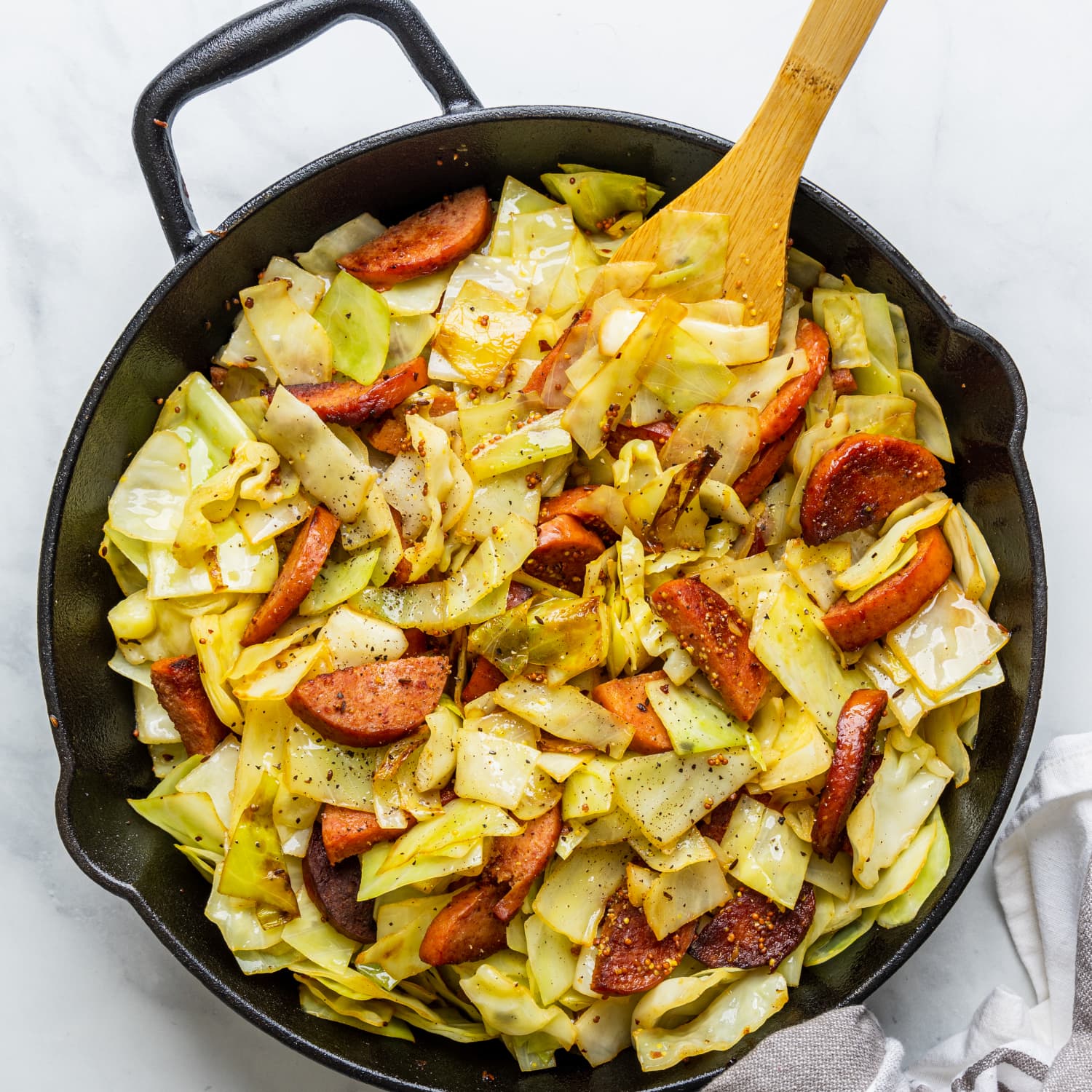
    16. Cabbage and Sausage Skillet

    Cost: $1.50 / $3.00 / $6.00
    Vitamin-rich vegetables paired with affordable protein.

    17. Bean Chili with Rice

    Cost: $1.00 / $2.00 / $4.00
    Fiber-dense, freezer-friendly, and filling.

    18. Tomato Pasta with Beans

    Cost: $0.90 / $1.80 / $3.60
    Comfort food with plant-based protein support.

    19. Baked Chicken and Potatoes

    Cost: $1.80 / $3.60 / $7.20
    Simple sheet-pan meal with balanced macros.

    20. Vegetable Stir-Fry with Rice

    Cost: $0.85 / $1.70 / $3.40
    Seasonal, flexible, and micronutrient-dense.

    21. Hard-Boiled Eggs

    Cost: $0.50 / $1.00 / $2.00

    22. Peanut Butter Toast

    Cost: $0.45 / $0.90 / $1.80

    23. Lentil “Hummus”

    Cost: $0.60 / $1.20 / $2.40

    24. Rice Pudding

    Cost: $0.55 / $1.10 / $2.20

    25. Roasted Chickpeas

    Cost: $0.65 / $1.30 / $2.60

    26. Banana Milk Smoothie

    Cost: $0.80 / $1.60 / $3.20


    2. Breakfast & Morning Staples (Recipes 1–6)

    https://www.preciouscore.com/wp-content/uploads/2021/01/Scrambled-Eggs-With-Vegetables.jpg

    1. Peanut Butter Banana Oatmeal

    Calories: Approx. 500 kcal
    Macronutrients:

    • Carbohydrates: Approx. 60 g
    • Protein: Approx. 15 g
    • Fat: Approx. 22 g
      Key vitamins & minerals: Magnesium, potassium, vitamin B6, vitamin E, dietary fiber

    2. Egg & Frozen Vegetable Scramble

    Calories: Approx. 450 kcal
    Macronutrients:

    • Carbohydrates: Approx. 20 g
    • Protein: Approx. 28 g
    • Fat: Approx. 28 g
      Key vitamins & minerals: Vitamin B12, choline, iron, vitamin A, selenium

    3. Savory Lentil Breakfast Hash

    Calories: Approx. 480 kcal
    Macronutrients:

    • Carbohydrates: Approx. 70 g
    • Protein: Approx. 25 g
    • Fat: Approx. 10 g
      Key vitamins & minerals: Iron, folate, potassium, magnesium, dietary fiber

    4. Yogurt Oats Power Bowl

    Calories: Approx. 500 kcal
    Macronutrients:

    • Carbohydrates: Approx. 55 g
    • Protein: Approx. 25 g
    • Fat: Approx. 18 g
      Key vitamins & minerals: Calcium, phosphorus, vitamin B2, probiotics

    5. Breakfast Fried Rice with Eggs

    Calories: Approx. 520 kcal
    Macronutrients:

    • Carbohydrates: Approx. 65 g
    • Protein: Approx. 22 g
    • Fat: Approx. 20 g
      Key vitamins & minerals: Selenium, iron, vitamin D, zinc

    6. Banana Oat Pancakes

    Calories: Approx. 450 kcal
    Macronutrients:

    • Carbohydrates: Approx. 60 g
    • Protein: Approx. 18 g
    • Fat: Approx. 15 g
      Key vitamins & minerals: Potassium, manganese, dietary fiber

    3. Lunch & Midday Meals (Recipes 7–13)

    https://www.realsimple.com/thmb/e7CJExIofqe_1K4A_ZVCeOJhEyQ%3D/1500x0/filters%3Ano_upscale%28%29%3Amax_bytes%28150000%29%3Astrip_icc%28%29/chickpea-sandwich-0539f4aaa3b040ada9f584c43855e782.jpg

    7. Rice & Beans Complete Bowl

    Calories: Approx. 650 kcal
    Macronutrients:

    • Carbohydrates: Approx. 95 g
    • Protein: Approx. 25 g
    • Fat: Approx. 15 g
      Key vitamins & minerals: Iron, magnesium, zinc, dietary fiber

    8. Hearty Lentil Vegetable Soup

    Calories: Approx. 500 kcal
    Macronutrients:

    • Carbohydrates: Approx. 65 g
    • Protein: Approx. 30 g
    • Fat: Approx. 12 g
      Key vitamins & minerals: Folate, vitamin A, potassium, vitamin C

    9. Chickpea Salad Sandwich Filling

    Calories: Approx. 550 kcal
    Macronutrients:

    • Carbohydrates: Approx. 60 g
    • Protein: Approx. 22 g
    • Fat: Approx. 22 g
      Key vitamins & minerals: Manganese, iron, folate, dietary fiber

    10. Peanut Noodle Bowl

    Calories: Approx. 700 kcal
    Macronutrients:

    • Carbohydrates: Approx. 80 g
    • Protein: Approx. 22 g
    • Fat: Approx. 32 g
      Key vitamins & minerals: Vitamin E, niacin, magnesium, phosphorus

    11. Baked Potatoes with Beans

    Calories: Approx. 600 kcal
    Macronutrients:

    • Carbohydrates: Approx. 90 g
    • Protein: Approx. 22 g
    • Fat: Approx. 10 g
      Key vitamins & minerals: Potassium, vitamin C, vitamin B6, dietary fiber

    12. Tuna Pasta Salad

    Calories: Approx. 650 kcal
    Macronutrients:

    • Carbohydrates: Approx. 70 g
    • Protein: Approx. 35 g
    • Fat: Approx. 18 g
      Key vitamins & minerals: Omega-3 fatty acids, vitamin D, selenium, iodine

    13. Vegetable Fried Rice

    Calories: Approx. 600 kcal
    Macronutrients:

    • Carbohydrates: Approx. 85 g
    • Protein: Approx. 18 g
    • Fat: Approx. 18 g
      Key vitamins & minerals: Vitamin A, iron, manganese, vitamin K

    4. Dinner & Hearty Meals (Recipes 14–20)

    https://cdn.apartmenttherapy.info/image/upload/f_jpg%2Cq_auto%3Aeco%2Cc_fill%2Cg_auto%2Cw_1500%2Car_1%3A1/k%2FPhoto%2FRecipes%2F2020-02-Kielbasa-and-Cabbage-Skillet%2Fkielbasa2

    14. Chicken Thigh Stew

    Calories: Approx. 700 kcal
    Macronutrients:

    • Carbohydrates: Approx. 45 g
    • Protein: Approx. 40 g
    • Fat: Approx. 35 g
      Key vitamins & minerals: Zinc, iron, vitamin B6, phosphorus

    15. Lentil Curry with Rice

    Calories: Approx. 700 kcal
    Macronutrients:

    • Carbohydrates: Approx. 95 g
    • Protein: Approx. 30 g
    • Fat: Approx. 18 g
      Key vitamins & minerals: Folate, potassium, magnesium, dietary fiber

    16. Cabbage & Sausage Skillet

    Calories: Approx. 650 kcal
    Macronutrients:

    • Carbohydrates: Approx. 40 g
    • Protein: Approx. 30 g
    • Fat: Approx. 35 g
      Key vitamins & minerals: Vitamin C, vitamin K, iron, selenium

    17. Bean Chili with Rice

    Calories: Approx. 700 kcal
    Macronutrients:

    • Carbohydrates: Approx. 90 g
    • Protein: Approx. 28 g
    • Fat: Approx. 18 g
      Key vitamins & minerals: Magnesium, potassium, iron, dietary fiber

    18. Tomato Pasta with Beans

    Calories: Approx. 650 kcal
    Macronutrients:

    • Carbohydrates: Approx. 85 g
    • Protein: Approx. 25 g
    • Fat: Approx. 18 g
      Key vitamins & minerals: Lycopene, folate, iron, vitamin C

    19. Baked Chicken & Potatoes

    Calories: Approx. 750 kcal
    Macronutrients:

    • Carbohydrates: Approx. 55 g
    • Protein: Approx. 45 g
    • Fat: Approx. 35 g
      Key vitamins & minerals: Potassium, zinc, vitamin B6, phosphorus

    20. Vegetable Stir-Fry with Rice

    Calories: Approx. 650 kcal
    Macronutrients:

    • Carbohydrates: Approx. 85 g
    • Protein: Approx. 20 g
    • Fat: Approx. 20 g
      Key vitamins & minerals: Vitamin A, vitamin C, calcium, dietary fiber

    5. Snacks & Calorie Boosters (Recipes 21–26)

    https://www.rachelcooks.com/wp-content/uploads/2021/12/instant-pot-hard-boiled-eggs-1500-7-SQUARE-500x500.jpg

    21. Hard-Boiled Eggs

    Calories: Approx. 150 kcal per egg
    Macronutrients:

    • Carbohydrates: Approx. 1 g
    • Protein: Approx. 12 g
    • Fat: Approx. 10 g
      Key vitamins & minerals: Vitamin B12, choline, selenium, vitamin D

    22. Peanut Butter Toast

    Calories: Approx. 350 kcal
    Macronutrients:

    • Carbohydrates: Approx. 30 g
    • Protein: Approx. 12 g
    • Fat: Approx. 22 g
      Key vitamins & minerals: Vitamin E, niacin, magnesium, healthy monounsaturated fats

    23. Lentil “Hummus”

    Calories: Approx. 250 kcal
    Macronutrients:

    • Carbohydrates: Approx. 30 g
    • Protein: Approx. 12 g
    • Fat: Approx. 10 g
      Key vitamins & minerals: Iron, folate, potassium, dietary fiber

    24. Rice Pudding

    Calories: Approx. 400 kcal
    Macronutrients:

    • Carbohydrates: Approx. 60 g
    • Protein: Approx. 10 g
    • Fat: Approx. 12 g
      Key vitamins & minerals: Calcium, phosphorus, vitamin B2

    25. Roasted Chickpeas

    Calories: Approx. 300 kcal
    Macronutrients:

    • Carbohydrates: Approx. 40 g
    • Protein: Approx. 15 g
    • Fat: Approx. 8 g
      Key vitamins & minerals: Iron, magnesium, zinc, dietary fiber

    26. Banana Milk Smoothie

    Calories: Approx. 500 kcal
    Macronutrients:

    • Carbohydrates: Approx. 70 g
    • Protein: Approx. 15 g
    • Fat: Approx. 12 g
      Key vitamins & minerals: Potassium, calcium, vitamin B6, vitamin D

    6. Example Daily Assembly

    Example Day (Approximately 2,200 kcal):

    • Breakfast: Peanut butter banana oatmeal
    • Lunch: Rice and beans bowl
    • Dinner: Lentil curry with rice
    • Snack: Banana milk smoothie

    Typical cost:

    • Per adult: $3–$5 per day
    • Family of four: $12–$18 per day

    7. Further Reading & Learning Resources

    (Expanded list, emphasizing small–medium creators)

    Budget-Focused Nutrition & Cooking Blogs

    • Budget Bytes – Transparent cost-per-recipe breakdowns
    • Plant Based on a Budget
    • The Simple Veganista
    • Minimalist Baker

    YouTube Channels (Cooking, Nutrition, Budgeting)

    • Frugal Fit Mom
    • Pick Up Limes
    • Ethan Chlebowski
    • Yeung Man Cooking
    • Adam Ragusea

    Podcasts (Nutrition, Food Systems, Healthy Cooking)

    • The Nutrition Diva
    • The Doctor’s Kitchen
    • Food We Need To Talk
    • Maintenance Phase

    Food Education & Public-Interest Resources

    • Good and Cheap Project
    • Cooking Matters
    • Oldways

    Conclusion

    This guide demonstrates that nutritionally complete, calorie-sufficient eating is achievable without expensive products or restrictive diets. By focusing on accessible staple foods, intelligent meal structure, and scalable recipes, individuals and families can support long-term health while maintaining financial stability. These 26 meals form a modular system that can be adapted, repeated, and expanded indefinitely.

  • Healthy Diets on a Budget

    Healthy Diets on a Budget

    By Alexander Christian Greco

    With Help from ChatGPT


    Disclosure


    This article was drafted with the assistance of ChatGPT.


    Introduction: “Healthy” and “Budget-Friendly” Can Be the Same Thing


    A lot of the foods most strongly associated with long-term health are also some of the cheapest per serving—especially when you buy them in shelf-stable or frozen forms. Public health guidance consistently emphasizes overall dietary patterns: more vegetables and fruits, more whole grains, more lean/plant proteins, and less added sugar, sodium, and saturated fat.


    Dietary Guidelines


    The trick isn’t buying “perfect” food. It’s building a short list of reliable staples you can repeat weekly, with small variations so meals don’t feel boring.


    What “Healthiest” Means in This Article


    For budget-friendly shopping, “healthy” usually means foods that deliver a lot of:

    1. Calories (Energy)
    Calories fuel all bodily functions. Most adults require approximately 1,800–2,400 calories per day, depending on age, size, and activity level.

    2. Protein
    Protein is required for muscle maintenance, immune function, and cellular repair. Typical needs range from 60–100 grams per day for most adults.

    3. Carbohydrates
    Carbohydrates provide the body’s primary energy source, especially for the brain. Whole-food carbohydrate sources also supply fiber and micronutrients.

    4. Dietary Fat
    Fats are essential for hormone production, brain health, and vitamin absorption. Healthy diets include moderate amounts of unsaturated fats.

    5. Fiber and Micronutrients
    Fiber supports digestive and metabolic health, while vitamins and minerals support nearly every physiological process. These nutrients come primarily from whole foods.


    The Healthiest Budget-Friendly Foods (and Why They’re Worth It)


    1) Beans, Lentils, and Chickpeas (Dried or Canned)


    If you want the single best “nutrition-per-dollar” category, it’s legumes. They’re high in fiber and plant protein, versatile across cuisines, and shelf-stable. Major heart-health organizations routinely recommend legumes as a smart staple.

    How to buy cheapest:
    Dried beans/lentils are usually the lowest-cost option per serving.


    Canned beans are still a great deal when you need speed—just rinse to reduce sodium.


    Easy uses: chickpea salad, lentil soup, curry, bean-and-rice bowls.


    2) Oats (Old-Fashioned or Steel-Cut)


    Oats are one of the best cheap breakfasts: fiber-rich, filling, and customizable. They also pair well with frozen fruit, peanut butter, yogurt, or cinnamon.


    How to buy cheapest:
    Buy the largest container of plain oats (skip flavored packets).
    Use leftovers as overnight oats or bake into oatmeal bars.


    3) Whole-Wheat Pasta, and Other Whole Grains


    Dietary guidance consistently recommends whole grains over refined grains because they offer more fiber and micronutrients and tend to be more filling.


    The Nutrition Source +2


    Budget-friendly whole grains include:


    Whole-wheat pasta
    Barley
    Bulgur
    Whole-grain bread (store brands can be great)


    Pro tip: Build your meals around a grain + legume + frozen veg formula.


    4) Eggs


    Eggs are inexpensive, high-quality protein and fast to cook. They also act like a “meal multiplier” when you add them to rice bowls, stir-fries, soups, or breakfast-for-dinner.


    Budget move: Make a veggie-heavy frittata using frozen spinach, onions, or leftover vegetables.


    5) Plain Greek Yogurt (or Regular Plain Yogurt)


    Plain yogurt is a strong budget pick when it replaces pricier snacks or sugary breakfast foods. It provides protein (especially Greek yogurt), calcium, and works in both sweet and savory recipes.


    How to save:
    Buy plain tubs, not single-serve cups.


    Flavor it yourself with fruit, cinnamon, or a small drizzle of honey.


    6) Frozen Vegetables (Especially Broccoli, Spinach)


    Frozen vegetables are underrated: they’re often frozen at peak ripeness, last a long time, and reduce food waste. They also let you add veggies to almost anything with zero prep time.


    Best picks:
    Broccoli florets
    Spinach

    Frozen peas, carrots and kayle
    “Stir-fry blends”


    Use them: soups, omelets, pasta, rice bowls, smoothies (spinach)


    7) Frozen Fruit


    Frozen fruit makes it easy to eat fruit daily without worrying about spoilage. Add it to oatmeal, yogurt, smoothies, or thaw as a quick dessert.


    Budget move: Use frozen berries when fresh berries are expensive.


    8) Canned Fish (Sardines, Salmon, Tuna)


    Canned fish is one of the cheapest ways to get protein plus omega-3 fats (especially sardines and salmon).

    Look for lower-sodium options when possible.


    Quick meals:
    Tuna + beans + olive oil + lemon
    Salmon cakes with oats or breadcrumbs
    Sardines on toast with tomato and pepper


    9) Peanut Butter and Other Nut/Seed Staples (When Affordable)


    Peanut butter is typically the most budget-friendly “nut” option. It adds healthy fats, some protein, and makes meals more satisfying.


    Look for: peanuts + salt (minimal added sugar/oils).


    10) Potatoes and Sweet Potatoes


    Potatoes are often extremely cheap per pound and provide potassium and other nutrients. Sweet potatoes add more vitamin A (beta-carotene).


    Healthy prep: bake/roast/boil. Go lighter on butter/cream; use yogurt, olive oil, or beans for toppings.


    11) Cabbage, Carrots, Onions

    (The “Budget Veg Trio”)
    These are usually some of the most affordable fresh vegetables and they last a long time.


    Why they’re great:
    Cabbage: slaws, stir-fries, soups
    Carrots: snacks, roasted sides, soups
    Onions: base flavor for almost everything


    12) Bananas and Apples (Usually the Cheapest Fruits)


    They’re portable, filling, and work with oats/yogurt/peanut butter. If produce prices vary, these often remain among the most affordable options.


    How to Shop for Healthy Food Cheap (Without Overthinking It)


    Use a “Staple-First” Grocery Strategy


    Try this structure:
    Protein staple: beans + eggs + yogurt OR beans + canned fish
    Carb staple: oats + rice/pasta
    Produce staple: frozen vegetables + 1–2 fresh long-lasting veggies
    Flavor staple: onions/garlic + one sauce/spice blend


    This keeps your cart predictable, minimizes waste, and makes meal planning easier.


    Buy the Forms That Reduce Waste


    Food waste is expensive. Frozen and canned options can be healthier for your budget because you actually use them.


    Frozen veg/fruit = minimal spoilage
    Canned tomatoes/beans/fish = long shelf life
    Dried grains/legumes = very low cost per serving


    Watch the “Budget Traps”
    These aren’t “bad,” but they’re easy to overspend on:
    Single-serve snacks and drinks


    Flavored yogurts and instant oatmeal packets
    Highly processed convenience meals


    “Healthy” bars and chips (often pricey per calorie/protein)
    A good rule: if it’s heavily packaged and ready-to-eat, you’re often paying for convenience.


    The “Cheap and Healthy” Grocery List (Starter Kit)


    If you want a short list that covers most needs:


    Proteins
    Dried or canned beans/lentils
    Eggs
    Plain yogurt
    Canned sardines/salmon/tuna


    Carbs/Grains
    Oats
    Whole-wheat pasta


    Produce
    Frozen vegetables
    Frozen broccoli or spinach
    Cabbage, carrots, onions
    Bananas or apples


    Flavor + Cooking
    Garlic, cumin/chili powder, Italian seasoning
    Canned tomatoes
    Vinegar or lemon/lime
    Olive/canola oil (as budget allows)


    A Current Note on U.S. Nutrition Guidance


    If you follow U.S.-based nutrition guidance, the federal Dietary Guidelines update expected in late 2025 was reported as delayed until early 2026. The current official guidelines (2020–2025) still emphasize nutrient-dense foods, limiting added sugars, sodium, and saturated fat.


    Conclusion: The Best Budget Food Is the One You’ll Actually Use


    The healthiest budget-friendly foods aren’t exotic. They’re consistent: beans, oats, whole grains, eggs, frozen produce, long-lasting vegetables, and a few reliable proteins like yogurt or canned fish. When you combine those with a simple meal template and shopping habits that reduce waste, “healthy eating” becomes repeatable—and affordable.

    In the future, I will develop guides to further help with budgeting for food–guides, charts of food, their costs and nutrition, and recipes for those foods.